Introduction
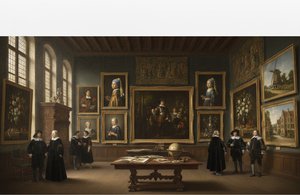
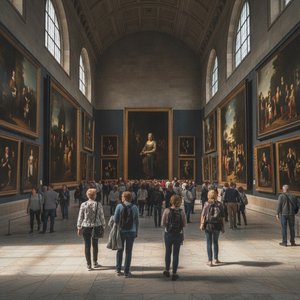
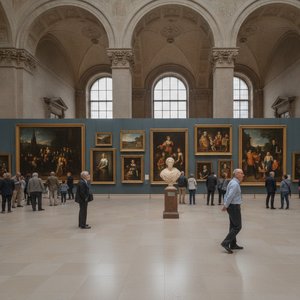
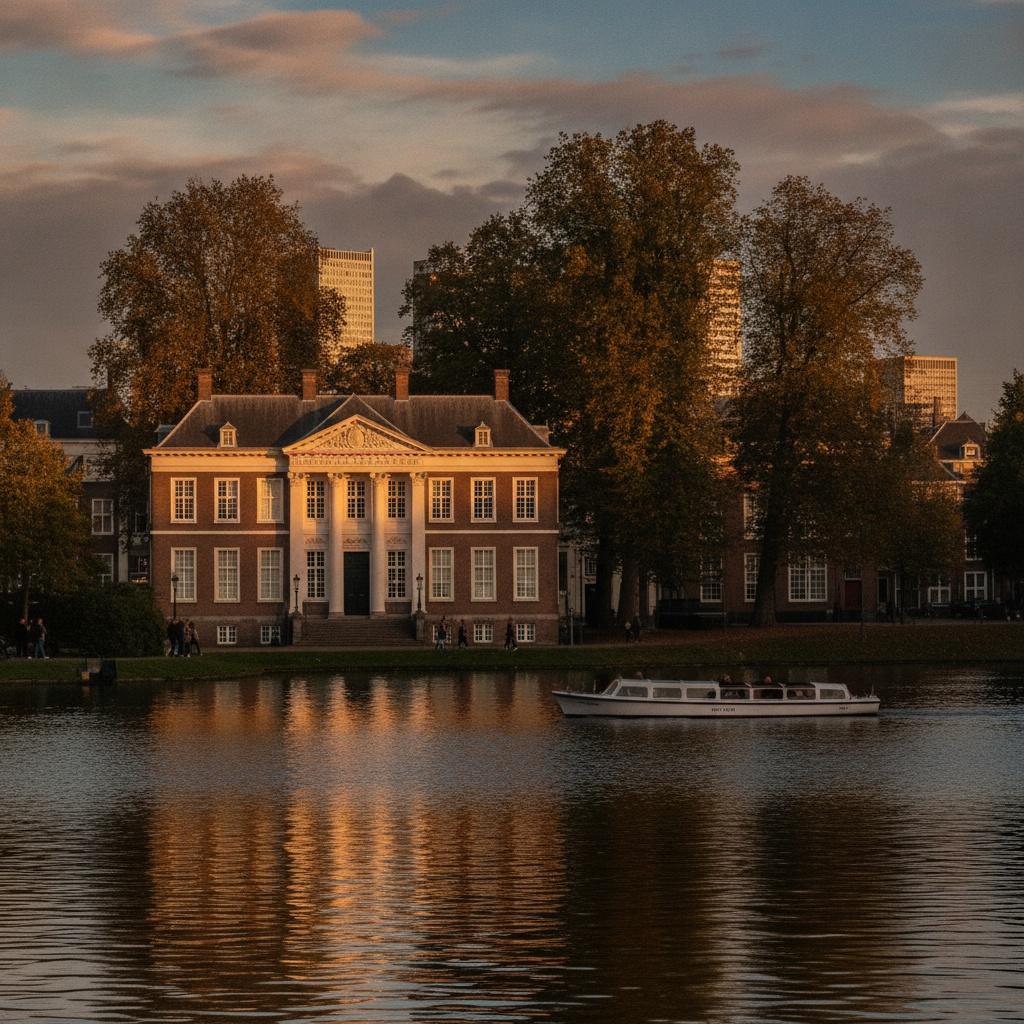
To step across the threshold of the Mauritshuis is to leave the modern bustle of The Hague behind and enter a sanctuary where time itself seems to decelerate. Nestled within a stately palace of Dutch Classicism, this museum does not merely display art; it breathes the very essence of the 17 and century Golden Age. As you wander through its elegant, symmetrical halls—originally designed for Count Johan Maurits van Nassau-Siegen—you are not just a spectator, but a guest in a storied residence where every corridor whispers tales of prosperity, diplomacy, and an unparalleled mastery of light.
The collection within these walls is a concentrated jewel box of Western heritage. Unlike the overwhelming scale of larger institutions, the Mauritshuis offers an intimate, almost meditative encounter with greatness. Here, the brushstrokes of Rembrandt van Rijn carry a dramatic weight that commands silence, while the serene, light-drenched compositions of Johannes Vermeer invite a profound, quiet connection. These are works that transcend their era; they remain deeply meaningful today because they capture the universal human condition—the fleeting nature of a glance, the dignity of a portrait, and the sublime interplay between shadow and illumination.
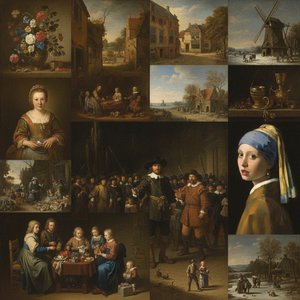
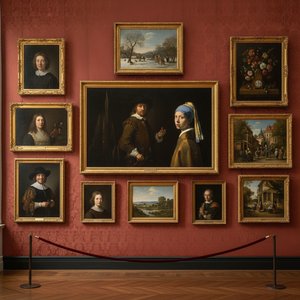
In this curated journey, we shall explore twenty-five masterpieces that define the soul of this institution. From the enigmatic, luminous gaze of the Girl with a Pearl Earring to the intricate narratives of Dutch genre painting, each piece selected for this list represents a pinnacle of craftsmanship and emotional depth. Prepare to lose yourself in a gallery where history is not found in textbooks, but in the vibrant pigments and textured canvases that continue to captivate the global imagination.
The Girl with a Pearl Earring - Johannes Vermeer
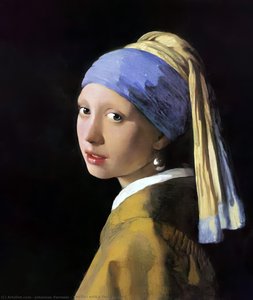
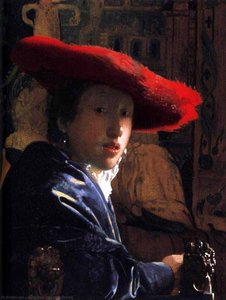
To stand before The Girl with a Pearl Earring is to experience a sudden, breathless hush, as if the bustling halls of The Hague have momentarily dissolved into shadows. There is an intimate, almost voyeuristic magic in this encounter; one does not merely look at the canvas, but feels the weight of her enigmatic gaze pulling you into a private moment frozen in 1665. Johannes Vermeer, the undisputed master of light, uses delicate glazes of ultramarine and soft ochre to breathe life into this tronie , creating a luminous texture that seems to pulse with quiet vitality.
As one of the most essential pieces among the top 25 artworks in Mauritshuis, The Hague, this masterpiece earns its place through its profound ability to evoke mystery and tranquility. The singular, brilliant highlight on the pearl earring serves as a focal point for contemplation, reminding us that true beauty lies in the subtle interplay of light and shadow. Bringing such an evocative presence into a modern interior offers more than mere decoration; it invites a sense of historical depth and serene reflection, transforming a contemporary space into a sanctuary of timeless grace.
The Anatomy Lecture of Dr. Nicolaes Tulp [1632] - Rembrandt van Rijn
![The Anatomy Lecture of Dr. Nicolaes Tulp [1632]](/media/artworks/images-thumb/e5/fc/e5fcb33447eac6b24ab049b22effa1a3.jpg) The Anatomy Lecture of Dr. Nicolaes Tulp [1632] - Rembrandt van Rijn
The Anatomy Lecture of Dr. Nicolaes Tulp [1632] - Rembrandt van RijnStep into the shadows of 1632, where the air is thick with silent anticipation and the scent of old parchment. In The Anatomy Lecture of Dr. Nicolaes Tulp , Rembrandt van Rijn does not merely paint a medical procedure; he orchestrates a profound drama of human curiosity. The scene is anchored by a masterful use of chiaroscuro , where piercing light cuts through the gloom to illuminate the pale, dissected forearm and the intense, searching eyes of the Amsterdam Guild of Surgeons.
The palette is a somber, sophisticated arrangement of deep umbers, blacks, and bone whites, creating a tactile sense of weight and gravity. You can almost feel the tension in the room as every gaze converges on the surgical incision, capturing that fleeting moment when science meets mortality. For the discerning collector or designer, bringing the essence of this Baroque masterpiece into a contemporary space offers more than decoration; it introduces a commanding intellectual depth and a timeless, contemplative atmosphere that invites reflection and inspires awe.
View of Delft - Johannes Vermeer
 View of Delft - Johannes Vermeer
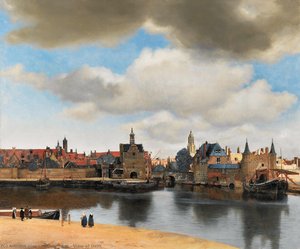
To encounter View of Delft by Johannes Vermeer is to witness the Dutch Golden Age captured in a single, breathless moment of clarity. As one of the most prestigious works within the Mauritshuis collection, this masterpiece transcends mere landscape; it is an atmospheric triumph that secures its place among the world’s top 25 artworks. Vermeer employs a masterful command of light, using subtle, pearlescent tones to animate the historic harbor, where the reflective waters of the canal meet the rugged textures of the city's architecture.
The painting offers a profound sense of tranquility and civic pride, with the illuminated spire of the Nieuwe Kerk standing as a silent sentinel over the bustling maritime life. For the discerning collector or interior designer, this work provides an unparalleled anchor for a refined aesthetic. Its balanced composition and soft, diffused light bring a sophisticated serenity to modern luxury interiors, offering a timeless connection to history, craftsmanship, and the enduring elegance of Dutch realism.
Diana and her Companions - Johannes Vermeer
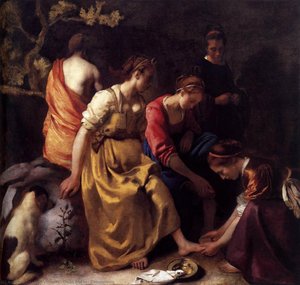 Diana and her Companions - Johannes Vermeer
In Diana and her Companions , Johannes Vermeer does not merely depict a mythological scene; he composes a silent sonata of light and intimacy. While many Baroque masters favored the bombastic, Vermeer invites us into a moment of profound stillness. Here, the goddess Diana is stripped of her hunting ferocity, appearing instead in a state of quiet contemplation amidst her nymphs. The light does not simply fall upon the figures; it invents them, softly modeling the textures of skin and fabric through masterful, translucent glazes.
As you stand before this masterpiece in the Mauritshuis, notice how the muted earthy tones are punctuated by the subtle glow of Diana’s golden gown. The presence of a loyal dog and the delicate placement of objects suggest a domesticity within the divine, blurring the line between myth and reality. It is this exquisite ability to capture the essence of life —the weight of a gaze, the softness of a shadow—that secures its place among the top 25 artworks in The Hague. This painting is a portal, inviting the tranquility of the Dutch Golden Age to spill into your own space.
Tronie - Rembrandt van Rijn
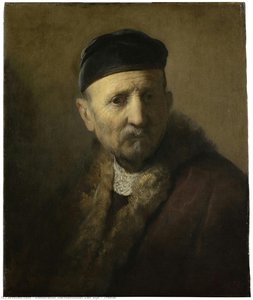 Tronie - Rembrandt van Rijn
In the quiet, amber-hued depths of Rembrandt van Rijn’s Tronie , we encounter more than a mere face; we meet a lifetime of unspoken stories. As one of the most profound highlights among the top 25 artworks in 'Mauritshuis, The Hague', this 1631 masterpiece transcends traditional portraiture. Rather than capturing a specific socialite, Rembrandt utilizes the tronie genre to explore an archetype of human experience—a study in vulnerability and the dignified weight of age.
The brilliance of this work lies in its masterful command of chiaroscuro . A singular, ethereal light source strikes the subject's weathered features, pulling a furrowed brow and textured beard from the surrounding gloom. This dramatic interplay between light and shadow creates an intimate confrontation that remains breathtaking centuries later. For the modern collector or interior designer, the painting’s muted palette of deep ochres, earth tones, and midnight blacks offers a sophisticated anchor for a curated space. Its heavy impasto texture and sculptural depth provide a sense of gravitas, making it a timeless choice for those seeking to infuse a room with historical soul and intellectual depth.
Saul and David - Rembrandt van Rijn
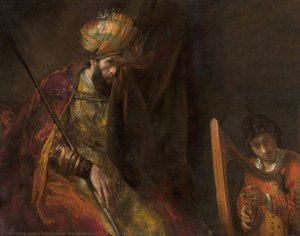 Saul and David - Rembrandt van Rijn
For over a century, the true identity of Saul and David remained shrouded in scholarly debate, its attribution to Rembrandt van Rijn contested by even the most seasoned connoisseurs. Today, it stands reclaimed as a profound psychological triumph within the Mauritshuis collection. Rather than depicting overt biblical violence, Rembrandt utilizes his signature chiaroscuro to capture a heavy, silent atmosphere of internal torment. The broken King Saul, weighed down by jealousy, clings to a spear while partially hidden behind a blue velvet curtain, creating a sense of profound isolation.
In luminous contrast, the young David kneels with his harp, his pristine white collar catching the light—a symbol of divine grace amidst the gloom. The artist’s loose, expressive brushstrokes and rich, somber palette prioritize emotional movement over rigid detail, pulling the viewer into this intimate, tense encounter. For the sophisticated collector, integrating a reproduction of such gravity into a modern home office or study provides more than mere decoration; it establishes an atmosphere of intellectual depth and quiet, focused ambition.
The Laughing Man - Rembrandt van Rijn
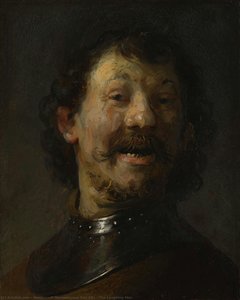 The Laughing Man - Rembrandt van Rijn
To stand before Rembrandt’s The Laughing Man is to witness a fleeting, visceral moment of human connection frozen in time. In this 1630 masterpiece, the Dutch Baroque master transcends mere portraiture, utilizing his legendary chiaroscuro to illuminate a face caught between exuberant joy and profound vulnerability. The way the light dances across the subject's wide eyes and textured beard captures an emotional depth that remains startlingly modern, making it an essential pillar among the top 25 artworks in 'Mauritshuis, The Hague'.
Rembrandt’s technical audacity—the loose, expressive brushstrokes and the meticulous play of shadow—creates a psychological resonance that few works can replicate. It is this very soul, this palpable sense of life, that we strive to preserve at ArtsDot.com. Through our bespoke, hand-painted oil reproductions on 100% cotton canvas, we ensure that the dramatic textures and luminous spirit of Rembrandt’s genius are not just seen, but felt, allowing you to invite this profound piece of Dutch Golden Age history into your own private collection with absolute authenticity.
Woman Writing a Letter, with her Maid - Johannes Vermeer
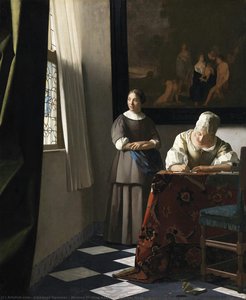 Woman Writing a Letter, with her Maid - Johannes Vermeer
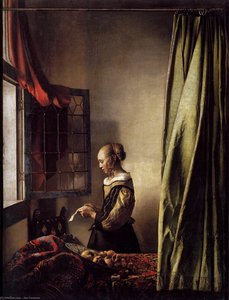
In the quiet corridors of the Mauritshuis, few works evoke such a profound sense of suspended animation as Woman Writing a Letter, with her Maid by Johannes Vermeer. This masterpiece does not merely depict a domestic task; it captures the very essence of anticipation and the heavy, beautiful silence of a private moment. Through his unparalleled command of light, Vermeer transforms a simple Delft interior into a stage of emotional depth, where the soft glow from an unseen window illuminates the textures of paper, wax, and fabric with breathtaking realism.
As one of the top 25 artworks in the Mauritshuis collection, this painting stands as a testament to the Dutch Golden Age's ability to find the extraordinary within the ordinary. For the modern connoisseur or interior designer, the painting’s muted palette of creams, deep browns, and subtle reds offers timeless inspiration, bringing a sense of tranquil sophistication and historical weight to any curated space. It remains a captivating study in composition, where every shadow and light-drenched detail invites us to wonder about the secrets held within that unfolding letter.
Self-Portrait - Rembrandt van Rijn
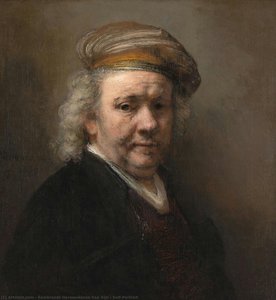 Self-Portrait - Rembrandt van Rijn
To stand before Rembrandt’s 1669 Self-Portrait at the Mauritshuis is to witness a master conducting his final, most profound symphony. In this late masterpiece, the lines of the artist's face are not merely painted; they are choreographed through layers of thick, textured impasto and dramatic chiaroscuro. This is not a simple likeness, but a dance of light and shadow frozen in time, where every wrinkle tells a story of resilience amidst personal hardship.
Rembrandt utilizes the stark contrasts of the Baroque style to pull the viewer into his psychological landscape. The heavy, gold-toned hat and the weathered textures of his skin create a rhythmic depth that makes the canvas appear to breathe with life. As you gaze into his unflinching, melancholic eyes, you feel the weight of the Dutch Golden Age's most influential soul. It is a breathtaking moment of vulnerability that invites us to contemplate our own mortality. Imagine such an evocative presence in your own collection—a piece that brings not just decor, but a profound, rhythmic harmony to your walls.
Two Moors - Rembrandt van Rijn
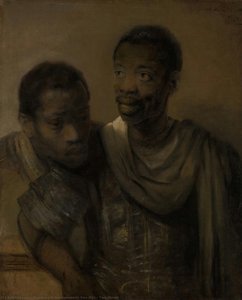 Two Moors - Rembrandt van Rijn
In the quiet, amber-hued depths of Rembrandt van Rijn’s 1661 masterpiece, Two Moors , one encounters a profound meditation on human connection. This work earns its place among the top 25 artworks in the Mauritshuis through its breathtaking use of chiaroscuro —the dramatic tension between brilliant illumination and impenetrable gloom. Rembrandt does not merely paint light; he sculpts it with thick, tactile impasto layers that allow the pigment to catch the eye, creating a palpable three-dimensionality that breathes life into the subjects' weary dignity.
Beyond its technical brilliance, the painting is a soulful rebellion against the peripheral depictions of the era, elevating its subjects to a position of monumental psychological importance. At ArtsDot.com, we believe such profound emotional depth should not be confined to museum walls. This masterpiece serves as an inspiration for our hand-painted oil reproductions, allowing you to transform your private sanctuary or professional office into a space of historical gravity and timeless elegance. To hang this work is to declare that your space is not just a room, but a sophisticated statement of human truth.
Andromeda - Rembrandt van Rijn
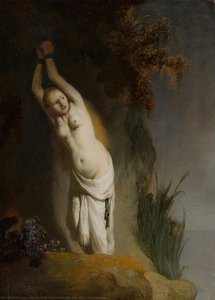 Andromeda - Rembrandt van Rijn
What if I told you that Andromeda by Rembrandt van Rijn was born from a moment of profound psychological rebellion—a stroke of defiance against the mere spectacle of myth? In this evocative 1630 masterpiece, Rembrandt transcends the epic scale of Greek legend to focus on a singular, piercing emotion: the raw vulnerability of a princess facing an inescapable fate. His inclusion in our selection of the top 25 artworks in 'Mauritshuis, The Hague' is not merely earned; it is demanded by his revolutionary use of chiaroscuro , where luminous whites collide with swallowing, nocturnal shadows to sculpt form from darkness.
This painting is a manifesto of human emotion, stripping away the heroic to reveal the visceral terror and beauty found in solitude. At ArtsDot.com, we believe such profound drama belongs in the modern sanctuary. Imagine this work of Dutch Golden Age mastery hanging in your study or grand salon, turning a quiet corner into a powerful statement of depth and historical weight. It is an invitation to bring the soul of the Mauritshuis into your own space, transforming your walls into a curated gallery of timeless human experience.
The Presentation of Jesus in the Temple - Rembrandt van Rijn
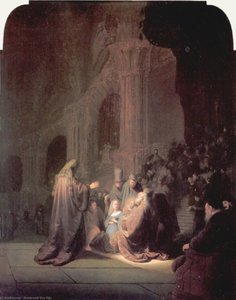 The Presentation of Jesus in the Temple - Rembrandt van Rijn
To stand before The Presentation of Jesus in the Temple is to witness the raw, burgeoning genius of a young Rembrandt van Rijn. Even in this early 1631 masterpiece, one can sense the heavy, deliberate application of paint that defines his Baroque mastery. The texture of the canvas breathes with the dramatic chiaroscuro technique; notice how the light does not merely illuminate but seems to emerge from the very depths of the pigment, casting a divine radiance upon the figures of Mary and the infant Jesus against the velvety shadows of the temple.
This profound orchestration of light and shadow is what secures its place among the top 25 artworks in Mauritshuis, The Hague . It is a work of spiritual weight and tactile intensity. At ArtsDot.com, our mission is to honor this materiality. Through our hand-painted oil reproductions, we strive to preserve that essential three-dimensional quality—the visible brushstrokes and rich, layered impasto—ensuring that the soul of Rembrandt’s light can be experienced within your own private collection.
Venus with an Organist and a Dog - Titian Ramsay Peale II
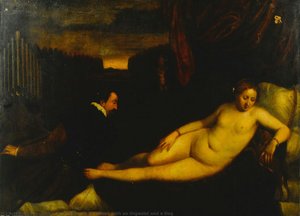 Venus with an Organist and a Dog - Titian Ramsay Peale II
In the hallowed halls of the Mauritshuis, Venus with an Organist and a Dog by Titian Ramsay Peale II serves as a breathtaking bridge between American heritage and the luminous traditions of the Venetian High Renaissance. This masterpiece earns its place among the top 25 artworks in The Hague by demonstrating how classical grandeur can be reimagined through a 19th-century lens. Peale II, a descendant of the legendary Charles Willson Peale, utilizes meticulous glazing techniques to imbue the canvas with an ethereal glow, mirroring the mastery of Titian himself.
The composition invites us into a moment of profound intimacy: a serene tableau where the goddess Venus reclines beside a gentleman, accompanied by the loyal presence of two dogs and the melodic suggestion of a background organ. The interplay of light on skin and the rich, layered textures evoke a sense of timeless beauty and sensory indulgence. For the discerning collector or interior designer, this painting offers more than mere decoration; it provides a sophisticated focal point that brings a narrative of classical elegance and soulful tranquility to any curated space.
Portrait of Emperor Charles V (1500-1558) - Titian Ramsay Peale II
 Portrait of Emperor Charles V (1500-1558) - Titian Ramsay Peale II
To stand before Titian Ramsay Peale II’s Portrait of Emperor Charles V is to encounter a profound sense of imperial gravity and silent dialogue. There is an arresting intimacy in the way the Emperor’s piercing gaze meets yours, bridging centuries to evoke a moment of heavy, historical significance. This work earns its place among the top 25 artworks in the Mauritshuis not merely for its subject, but for Peale II’s masterful command of the Venetian tradition; he utilizes subtle color gradations and delicate glazing to imbue the dark, ochre-toned composition with an ethereal, luminous depth.
The portrait captures the textured reality of the Habsburg era—from the weathered features of the monarch to the solemn weight of his attire—with a precision that honors the High Renaissance spirit. At ArtsDot, we believe such commanding presence should not be confined to museum walls. Our hand-painted oil reproductions meticulously recreate these visible brushstrokes and tonal complexities, allowing you to integrate this sense of classical authority and timeless elegance into your own curated collection.
Fruit Still Life - Jan van Huysum
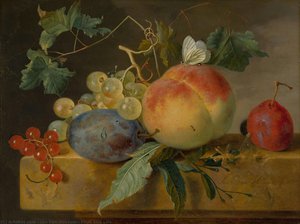 Fruit Still Life - Jan van Huysum
To stand before Jan van Huysum’s Fruit Still Life is to experience a sensory awakening; it is an invitation to marvel at the sheer, unbridled generosity of nature. The painting captures that fleeting, breathless moment when ripeness reaches its absolute zenith, just before the inevitable descent into decay. Within the hallowed halls of the Mauritshuis, this masterpiece stands as a pinnacle of the Dutch tradition, commanding its place among the top 25 artworks in The Hague through its breathtaking technical virtuosity and emotional depth.
Van Huysum masterfully orchestrates a symphony of textures—the velvety blush of a peach, the translucent skin of a grape, and the delicate, ephemeral flutter of a butterfly. His use of light does more than illuminate; it sculpts volume, creating a vanitas narrative that whispers of both prosperity and impermanence. At ArtsDot, we believe such profound beauty should not be confined to museum walls. Our master artists meticulously recreate these visible brushstrokes and rich, saturated tones on 100% cotton canvas, allowing you to bring this timeless sense of abundance and historical elegance into your own private collection.
Nymph and Satyr - Peter Paul Rubens
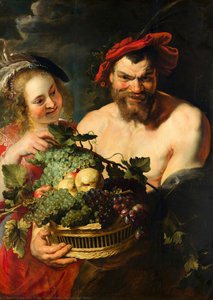 Nymph and Satyr - Peter Paul Rubens
To encounter Peter Paul Rubens’ Nymph and Satyr is to be swept into a whirlwind of Baroque passion, where the boundaries between untamed instinct and ethereal grace momentarily dissolve. This masterpiece stands as a cornerstone of the Mauritshuis collection because it captures the very pulse of life—the playful tension between the carnal and the divine. Rubens orchestrates a sensory feast; one can almost smell the sun-drenched grapes and feel the warmth of the luminous skin, rendered with a masterful command of chiaroscuro that breathes movement into every brushstroke.
The painting’s enduring resonance lies in its ability to evoke a sense of joyous, mythic vitality through its opulent palette of deep crimsons and radiant golds. It is this profound emotional depth and technical brilliance that secures its place among the top 25 artworks in The Hague. At ArtsDot, we believe such visceral beauty should not be confined to museum walls. Our hand-painted oil reproductions meticulously preserve Rubens’ energetic textures and dramatic light, allowing you to invite this timeless symphony of mythic desire into your own private sanctuary.
Venus Trying to Restrain Adonis from Departing for the Hunt - Peter Paul Rubens
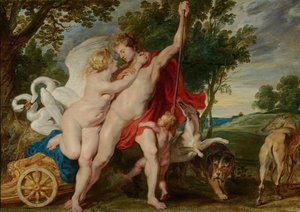 Venus Trying to Restrain Adonis from Departing for the Hunt - Peter Paul Rubens
In the presence of Peter Paul Rubens’ Venus Trying to Restrain Adonis from Departing for the Hunt , one does not merely observe a painting; one witnesses a visceral struggle between divine affection and mortal destiny. As you stand before this Baroque masterpiece in the Mauritshuis, the light does not simply illuminate the canvas—it breathes life into the flesh of the gods. Rubens composes light like a virtuoso, using it to sculpt the luminous, pearlescent skin of Venus against the rugged, burgeoning vitality of Adonis.
The scene is a symphony of movement and emotion, where the opulent reds and golds of the palette pulse with the heartbeat of passion. You can almost feel the tension in Venus’s desperate embrace as she attempts to tether her lover to the safety of her arms, away from the perils of the wild hunt. Through masterful chiaroscuro , Rubens creates a theatrical atmosphere where every shadow holds a secret and every highlight celebrates life. It is this profound emotional depth and textural richness that secures its place among the top 25 artworks in The Hague, offering a window into a world where beauty and tragedy are eternally entwined.
River Landscape at Sunset - Aert van der Neer
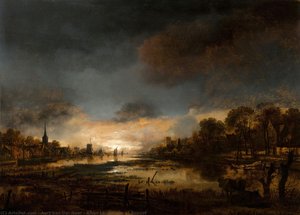 River Landscape at Sunset - Aert van der Neer
While many of his contemporaries sought the grandeur of sweeping vistas, Aert van der Neer found his genius in the fleeting, ephemeral moments of transition—the precise second when day surrenders to night. In River Landscape at Sunset , painted circa 1650, we witness a masterclass in atmospheric tension. The canvas is not merely a depiction of water and wood; it is a study of light’s disappearance. Van der Neer utilizes delicate oil glazes to capture the fiery, bruised hues of the twilight sky as they reflect upon the river's surface, punctuated by the silhouettes of small boats drifting through the stillness.
This work stands among the top 25 artworks in 'Mauritshuis, The Hague' because it transcends mere landscape; it captures a psychological state of profound introspection. The way the light dissolves into shadow invites a quiet, meditative focus. For the discerning collector, such a piece offers more than decoration; placing this masterwork in a modern home office or private study fosters an atmosphere of sophisticated calm and intellectual clarity, providing a serene backdrop for deep thought and creative ambition.
Beach View - jacob isaackszoon van ruisdael
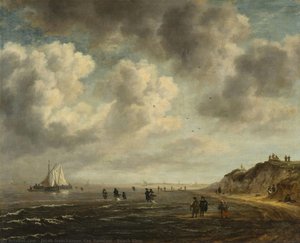 Beach View - jacob isaackszoon van ruisdael
In Jacob Isaackszoon van Ruisdael’s Beach View , a muted palette of silvery greys and soft, overcast blues dominates the canvas, establishing a mood of profound, contemplative stillness. As one of the top 25 artworks in the Mauritshuis, The Hague, this piece showcases Ruisdael’s unparalleled mastery of atmospheric perspective. He utilizes subtle, layered glazes to capture the ephemeral dance of light across the shoreline, where the movement of distant boats and figures on horseback feels harmoniously integrated into the vast, hazy sky.
For the discerning interior designer or collector, this painting offers a sophisticated blueprint for modern curation. The cool, desaturated tones and tranquil maritime atmosphere are perfect for anchoring a contemporary living space or a serene dining room, providing an emotional sense of depth and calm. By incorporating such a masterful study of light and shadow, one can introduce a timeless, museum-grade elegance that evokes the enduring spirit of the Dutch Golden Age within a refined, modern architectural setting.
Singing Round the Star on Twelfth Night - Cornelis Troost
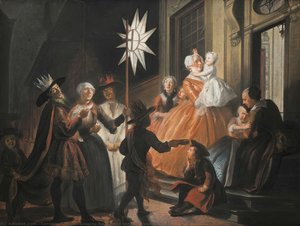 Singing Round the Star on Twelfth Night - Cornelis Troost
In Singing Round the Star on Twelfth Night by Cornelis Troost, the luminous centerpiece is not merely a decorative element, but the very soul of the composition. The ethereal glow emanating from the star-shaped lantern acts as a masterful light source, casting a soft, flickering radiance that dances across the faces of the revelers and illuminates the delicate textures of their 18th-century finery. This sophisticated play of light and shadow—a hallmark of Troost’s theatrical Rococo style—creates a sense of depth that draws the viewer into this intimate Amsterdam celebration.
As one of the top 25 artworks in the Mauritshuis, The Hague, this masterpiece demonstrates how controlled illumination can transform a genre scene into a profound emotional experience. For the discerning collector, a high-quality oil reproduction of this work offers more than just historical charm; the way the light captures the pastel hues and silken fabrics adds an unmistakable layer of luxury and warmth to any contemporary interior. It is a piece that invites conversation, bringing the convivial spirit of the Dutch Golden Age into the modern home.
The Four Burgomasters of Amsterdam Learning of the Arrival of Maria de’ Medici on 1 September 1638 - Thomas de Keyser
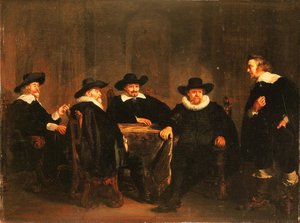 The Four Burgomasters of Amsterdam Learning of the Arrival of Maria de’ Medici on 1 September 1638 - Thomas de Keyser
In Thomas de Keyser’s 1638 masterpiece, The Four Burgomasters of Amsterdam Learning of the Arrival of Maria de’ Medici , one is immediately struck by the heavy, palpable atmosphere of anticipation. The painting does not merely present a group portrait; it captures a profound psychological moment where the weight of political destiny rests upon the shoulders of these four men. As they lean over documents laden with news of a Queen's arrival, their faces reflect a complex tapestry of concern, duty, and quiet apprehension.
De Keyser utilizes a sophisticated palette of deep browns, golds, and muted shadows to heighten this sense of gravity, making this work a cornerstone among the top 25 artworks in 'Mauritshuis, The Hague' . The meticulous rendering of textures—from the crisp collars to the heavy drapery—invites the viewer into this historic chamber of decision-making. For the discerning collector, bringing such a powerful study of leadership and introspection into a private study or grand salon can transform a room into a space for profound reflection, echoing the timeless dignity of the Dutch Golden Age.
A Meal of Oysters - Frans van Mieris
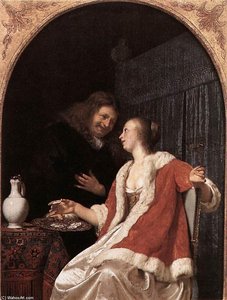 A Meal of Oysters - Frans van Mieris
In Frans van Mieris’ 1661 masterpiece, A Meal of Oysters , light does not merely illuminate the scene; it performs a delicate, clandestine dance. As a virtuoso of the fijnschilder style, Van Mieris composed light to act as a storyteller, guiding our eyes through an arched niche that feels less like a painting and more like a theatrical stage for whispered secrets. The glow upon the woman’s white gown and the shimmering, pearlescent sheen of the oysters create a sensory experience that is almost tactile.
Every brushstroke serves to heighten the tension of this late-seventeenth-century encounter. You can almost feel the weight of the velvet textures and the cool dampness of the shells. Beyond the surface beauty, the painting is rich with symbolic depth—where spilled wine and shadows hint at the fragility of virtue and the allure of illicit pleasure. This work stands among the top 25 artworks in the Mauritshuis because it captures a fleeting, breathless moment of human desire, inviting you to step into its luminous, enigmatic world.
Still Life with Copper Pot, Cheese and Eggs - Jean-Baptiste-Siméon Chardin
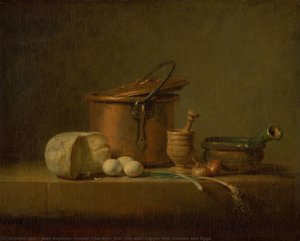 Still Life with Copper Pot, Cheese and Eggs - Jean-Baptiste-Siméon Chardin
In Still Life with Copper Pot, Cheese and Eggs , Jean-Baptiste-Siméon Chardin invites us into a world of profound quietude. To stand before this 1735 masterpiece is to witness the tactile magic of his brushwork; one can almost feel the cool, metallic weight of the gleaming copper pot and the rustic, crumbly texture of the cheese. Chardin does not merely paint objects; he captures their very essence through a revolutionary mastery of light and soft, diffused shadows that breathe life into the mundane. This ability to elevate simple domesticity into a meditative experience is precisely why this work remains a cornerstone of the top 25 artworks in 'Mauritshuis, The Hague'.
At ArtsDot.com, we believe such sensory depth should not be confined to museum walls. Our artisans specialize in preserving this three-dimensional soul through hand-painted oil reproductions on 100% cotton canvas. By meticulously recreating Chardin’s visible brushstrokes and the subtle interplay of light, we bring the palpable, velvety textures of the Dutch Golden Age tradition directly into your private collection, ensuring the artistry remains as immersive as the original.
Cottages in a Forest - meindert lubbertszoon hobbema
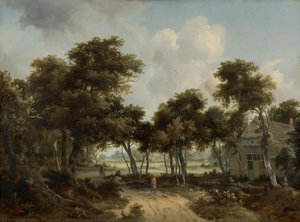 Cottages in a Forest - meindert lubbertszoon hobbema
To stand before Meindert Lubbertszoon Hobbema’s Cottages in a Forest is to step into a sanctuary of profound stillness. There is a universal longing captured within this 1665 masterpiece—a yearning for the quiet harmony found when humanity exists in gentle rhythm with the natural world. As sunlight filters through the dense canopy, illuminating sunlit glades and rustic dwellings, the viewer is enveloped in an atmosphere of pastoral perfection and nostalgic peace.
This work earns its place among the top 25 artworks in the Mauritshuis, The Hague, due to its unparalleled ability to evoke emotion through atmospheric perspective and meticulous detail. Hobbema does not merely paint trees; he captures the very breath of the Dutch woodland. At ArtsDot, we believe such transcendent beauty should not be confined to museum walls. Our master artists specialize in hand-painted oil reproductions that honor this legacy, utilizing visible brushstrokes and rich textures to ensure the serene soul of Hobbema’s landscape is faithfully preserved for your own home.
St Barbara - Parmigianino
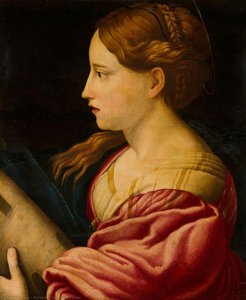 St Barbara - Parmigianino
In St Barbara by Parmigianino, the composition transcends mere religious iconography to achieve a breathtaking structural harmony. The painting is anchored by a delicate verticality, where the elongated, elegant lines of the saint’s form create a rhythmic balance against the somber, intimate space of the Mauritshuis masterpiece. This intentional use of geometry—the soft curves of her pink drapery juxtaposed with the stark, symbolic presence of the crucifix—establishes a sense of timeless perfection that remains a cornerstone of the top 25 artworks in Mauritshuis, The Hague.
There is a profound, quiet strength in this arrangement; the way Parmigianino utilizes sfumato to soften edges mirrors the principles of modern minimalist design. Much like a contemporary curated space, the artwork relies on essential forms and a restrained palette to evoke deep emotional resonance. This balance between complexity and simplicity allows the piece to ground a clean, sophisticated aesthetic, making it an enduring inspiration for collectors seeking to infuse modern interiors with historical soul and classical grace.
Conclusion
To wander through the halls of the Mauritshuis is to realize that time is not a linear progression, but a continuous, breathing loop. As the evening light fades over The Hague, one is left with the profound realization that these twenty-five masterpieces are far more than mere relics of the Dutch Golden Age; they are living presences. Each stroke of Vermeer’s luminous light and every shadow cast by Rembrandt’s dramatic hand serves as a bridge across centuries, connecting our modern sensibilities to the quiet, pulsing heart of the seventeenth century. These works do not merely exist in the past—they reside within us, continuing to shape our interiors, stir our deepest emotions, and inspire the very essence of contemporary creativity.
There is a sacred, silent conversation occurring every time an admirer meets the gaze of a subject on canvas. It is a dialogue of light, texture, and shared humanity that transcends the boundaries of era and geography. At ArtsDot.com, we strive to honor this eternal connection by preserving the tactile soul of these works through our hand-painted oil reproductions, ensuring that the profound beauty found within these museum walls can find a permanent home in your own sanctuary. We invite you to continue this journey of discovery and bring a piece of this timeless heritage into your life by exploring our full collection .