
Early Life & Artistic Beginnings: Charleston Roots and Initial Training
William Aiken Walker (March 11, 1839 – January 3, 1921) was an American artist best known for genre paintings of African-American sharecroppers. He also documented the American Civil War era during his service in the Confederate Army. Walker was born...
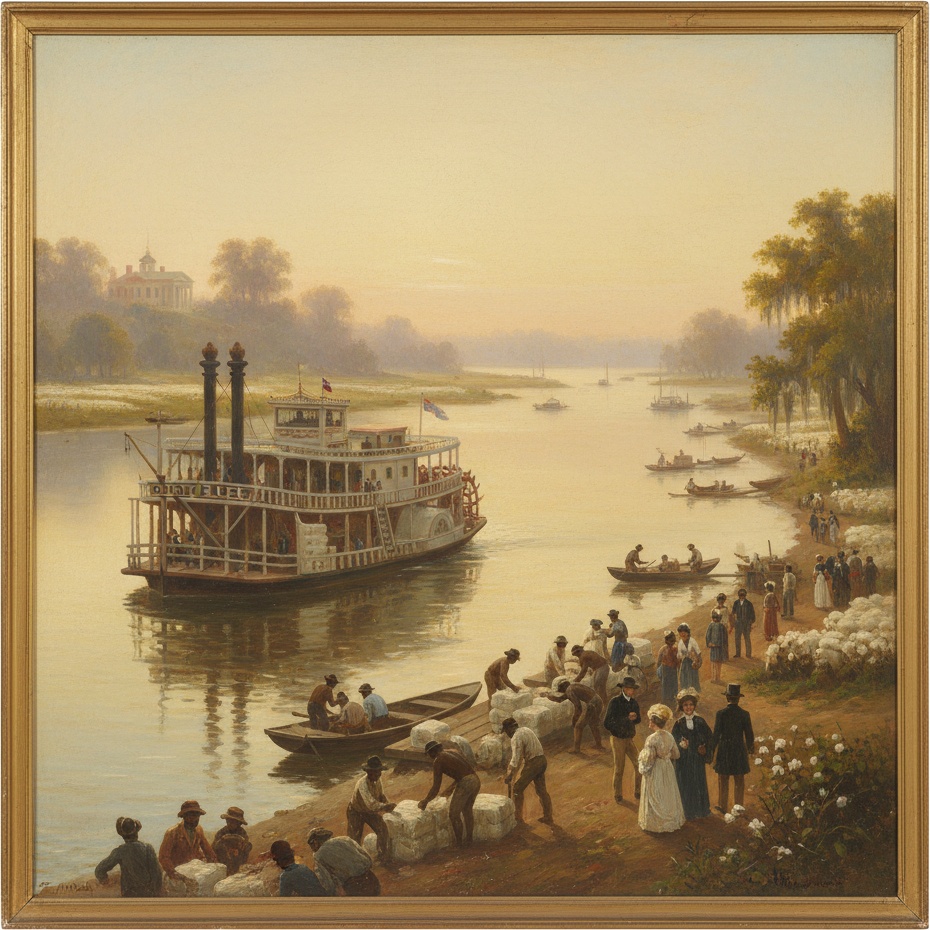
William Aiken Walker, born in Charleston, South Carolina, in 1839, was inextricably linked to the very fabric of the Southern landscape he would come to immortalize on canvas. His upbringing, steeped in the traditions of a prominent cotton-agent family, provided him with an intimate understanding of the region’s complexities – its beauty, its prosperity, and the shadows that lay beneath. Though his father's early death in 1841 meant a childhood shaped by the realities of loss, Charleston itself became his first teacher. The city, a vibrant port brimming with cultural exchange, offered a nascent artistic environment where Walker’s talent began to blossom. He completed his first painting at the remarkably young age of twelve and exhibited at the South Carolina Institute Fair shortly thereafter, signaling an early promise that would define his life's path.
While largely self-taught, Walker did undertake studies in Düsseldorf during the 1860s – a period that undoubtedly broadened his technical skills and exposed him to European artistic currents. However, it was not the rigid academicism of European training that truly shaped his vision, but rather the unique character of his homeland. He absorbed the light, the atmosphere, and the stories unfolding around him, developing an individual style that would set him apart.
Documenting a Nation Divided: Walker's Service in the Civil War
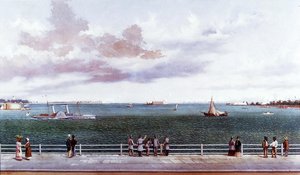 Bombardment Of Fort Sumter, Charleston Harbor, Charleston, South Carolina, 1863
William Aiken Walker’s "Bombardment of Fort Sumter" captures Civil War Charleston. Oil painting, maritime scene, & poignant detail. Explore Southern genre art.
The outbreak of the American Civil War irrevocably altered the course of Walker’s life. Conscripted into the Confederate Army in 1861, he was initially assigned to Morris Island as part of the Palmetto Guard before being dispatched to Richmond and Camp Davis. However, his artistic inclinations soon found a purpose within the military context. After just four months of service, a medical discharge allowed him to transition into a role as a civilian draftsman for the Confederate Engineers Corps. This position proved pivotal; Walker meticulously documented Charleston’s defenses through detailed maps and sketches, effectively becoming a visual chronicler of a nation at war.
This period wasn't merely about technical documentation. It was an immersion in the anxieties, the struggles, and the shifting realities of a society on the brink. Though not directly engaged in combat, Walker witnessed firsthand the turmoil that would reshape the South, experiences that subtly informed his later work. His separation from active military duty at the end of 1864 allowed him to return to painting, but the war’s imprint remained.
The Rise of Genre Painting: Capturing Post-Reconstruction Southern Life
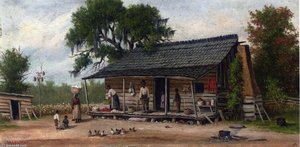 Deep South Living
Discover "Deep South Living" by William Aiken Walker – a captivating genre painting of Southern life. Explore rural scenes & sharecroppers' stories. Hand-painted reproduction available.
Following the Civil War, Walker embarked on a nomadic existence, traveling throughout the South and seeking subjects for his art. He recognized an emerging market – Northern tourists eager to acquire mementos of a romanticized “Old South.” Initially, he produced small paintings depicting ruins and idyllic landscapes, catering to this demand. However, it was his shift towards genre painting—scenes of everyday life—that truly established his reputation.
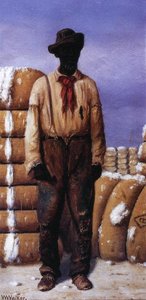
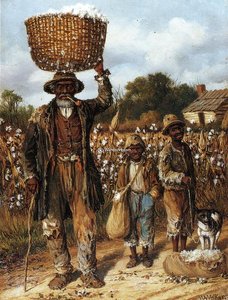
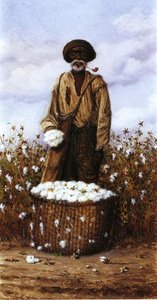
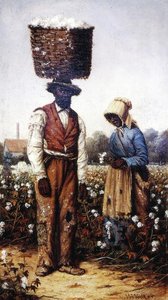
Walker’s focus on African American sharecroppers and laborers distinguished him from many of his contemporaries. He didn't depict grand historical events or portraits of the elite; instead, he turned his attention to the lives of those often overlooked. These paintings weren’t merely picturesque representations; they were attempts to capture a specific moment in time – the post-Reconstruction South grappling with its new realities. His work offered a glimpse into the struggles and resilience of a people navigating a profoundly changed world.
Luminism and the Evocation of Atmosphere: Style and Technique
Luminism may refer to Luminism (American art style), a current in North American painting Light art Luminism (Impressionism), a neo-impressionist style in painting
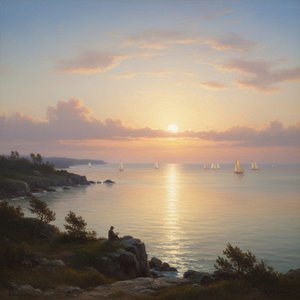
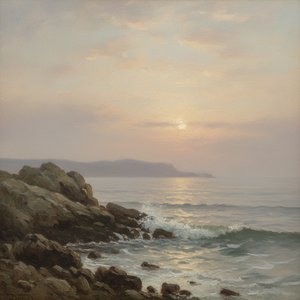
Walker’s style is often categorized within the Luminist tradition, though his approach was uniquely tempered by his Southern subject matter. Luminism, characterized by its emphasis on atmospheric effects, subtle gradations of light, and a sense of tranquility, found a powerful expression in Walker's work. He masterfully captured the soft glow of twilight, the hazy warmth of a summer afternoon, and the stillness of rural landscapes.
His technique was meticulous, marked by an almost photographic attention to detail. Brushstrokes are often subtle, blending seamlessly to create a sense of realism. Walker’s paintings aren't about dramatic action; they are about capturing a mood, a feeling, a specific quality of light that evokes a particular place and time. This dedication to atmospheric nuance is what sets his work apart and lends it an enduring emotional resonance.
Subjects of Labor & Leisure: African American Life as Seen by Walker
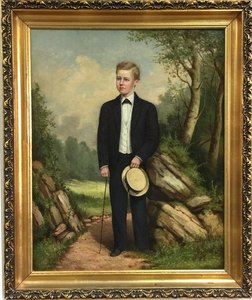 William Aiken Walker
Discover William Aiken Walker's evocative paintings of post-Reconstruction South & African American life. Explore genre scenes, landscapes & historical works at ArtsDot.
The core of Walker’s artistic legacy lies in his depictions of African American life. He portrayed sharecroppers working in the fields, families gathered outside their modest homes, and individuals engaged in everyday tasks. While interpretations of these paintings have evolved over time – with some initially criticized for romanticizing a difficult reality – it is undeniable that Walker offered a rare glimpse into the lives of those often marginalized.
His subjects are not idealized; they possess a dignity and resilience that transcends simple representation. He captured their weariness, their quiet strength, and their connection to the land. Paintings like “Deep South Living” offer intimate portraits of rural communities, while others focus on moments of leisure – fishing expeditions or gatherings after work – revealing a complexity often absent from contemporary depictions.
Legacy and Rediscovery: The Enduring Appeal of a Southern Visionary
Throughout his long career, Walker enjoyed considerable success, particularly through the widespread reproduction of his works by Currier and Ives in 1884. These chromolithographs brought his images to a wider audience, solidifying his place as a chronicler of the post-Civil War South. However, after his death in 1921, Walker’s work largely faded from public view.
In recent decades, there has been a renewed appreciation for Walker's artistry and historical significance. Scholars have reevaluated his paintings, recognizing their nuanced portrayal of Southern life and the importance of his contribution to American genre painting. Today, William Aiken Walker is celebrated as a visionary artist who captured not just what he saw, but also the spirit of a nation grappling with its past and forging a new identity. His works offer a poignant reminder of a bygone era and continue to resonate with audiences seeking a deeper understanding of Southern history and culture.
Explore the captivating world of William Aiken Walker at ArtsDot.com, where you can discover high-quality reproductions of his masterpieces and bring a touch of Southern Luminism into your home.