From Canvas to Parliament: Churchill's Late Bloom with Paint
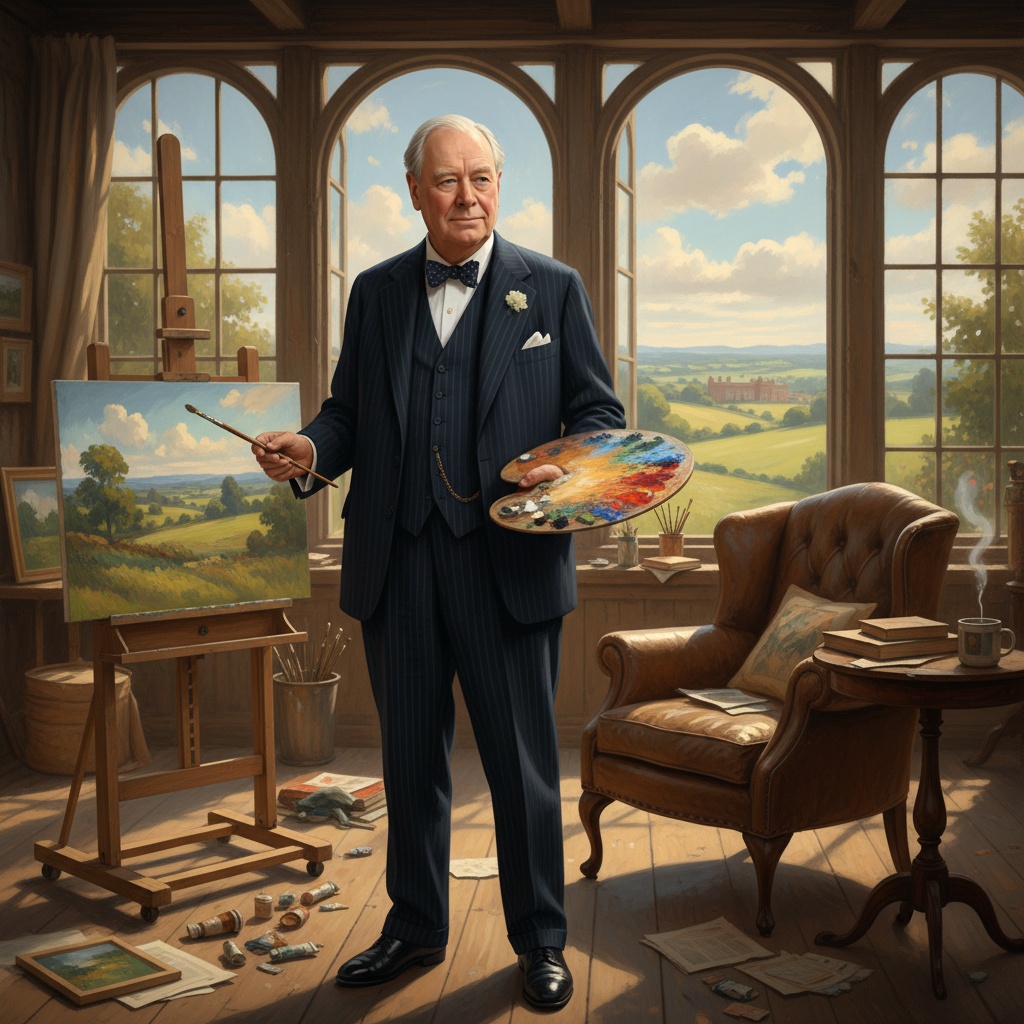
Winston Churchill, the name evokes images of wartime leadership, defiant speeches, and a bulldog spirit that rallied a nation. Yet, beyond the political titan lay a passionate artist, a revelation for many who knew him solely through the lens of history. It wasn’t until 1915, amidst a period of professional uncertainty following the Gallipoli campaign, that Churchill first tentatively picked up a brush. This was not a whimsical dalliance but the beginning of a lifelong pursuit—a sanctuary found in the vibrant world of color and form. Initially inspired by his sister-in-law, Lady Gwendoline Churchill, he approached painting with an almost childlike enthusiasm, quickly abandoning watercolor for the more robust medium of oils. This wasn’t about achieving technical mastery; it was about finding solace, a new mode of expression, and a way to grapple with the complexities of a life lived on the grandest stage.
The act of painting offered Churchill an escape from the relentless pressures of public life. He famously stated that he found his “other world” within the canvas, a respite where strategic calculations gave way to intuitive brushstrokes and the weight of responsibility lifted with each layer of pigment. He wasn’t concerned with critical acclaim or commercial success; rather, painting became an intensely personal dialogue between himself and the landscape before him. This newfound passion would ultimately yield over 500 paintings—a testament not just to his dedication but also to the profound emotional need it fulfilled.
The Influence of Impressionism & Post-Impressionism on Churchill’s Style
 Beyond Light & Color: Impressionism vs. Post-Impressionism for the Discerning Collector
Explore the nuances of Impressionism & Post-Impressionism with . Expert insights for collectors on style, investment, and acquiring museum-quality reproductions.
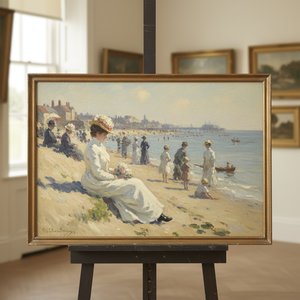
While often described as an amateur, dismissing Churchill's art as mere hobbyist work overlooks a keen aesthetic sensibility and a clear engagement with the artistic currents of his time. His paintings reveal a distinct leaning towards both Impressionism and, more prominently, Post-Impressionism. He wasn’t striving for photographic realism but rather capturing the *essence* of a scene—the play of light, the emotional resonance of color, and the textured beauty of the natural world. Works like A View of Marrakech & Atlas Mountains (I), painted in 1948, showcase this beautifully; the cool tones and textured brushstrokes evoke not just a visual representation but also the very atmosphere of Morocco.
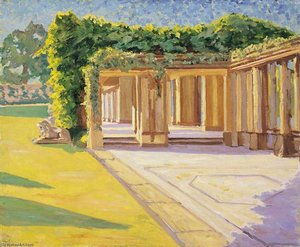
The influence of Post-Impressionist masters is palpable. The bold use of color, reminiscent of Van Gogh’s emotive landscapes, and the emphasis on subjective experience align with the movement's core tenets. However, Churchill wasn’t simply mimicking these styles; he infused them with his own unique perspective—a blend of British stoicism, a love for grand vistas, and an inherent sense of drama. He embraced impasto techniques, building up layers of paint to create tactile surfaces that reflect the ruggedness of the landscapes he so often depicted. Understanding this stylistic context is crucial; Churchill wasn’t merely painting *what* he saw but *how* he felt about what he saw.
Chartwell & Marrakech: Key Landscapes in Churchill’s Artistic Journey
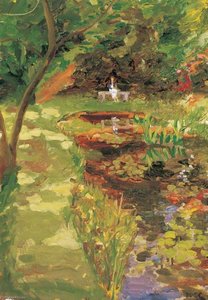
Certain locations held a particular significance for Churchill, becoming recurring motifs in his artistic output. His beloved country estate, Chartwell in Kent, served as both home and muse. Paintings of the goldfish pond, the Weald of Kent under snow, and the surrounding gardens are imbued with a sense of intimacy and personal connection. These weren’t grand historical scenes but quiet moments captured with heartfelt sincerity—a testament to his appreciation for the simple beauty of rural England.
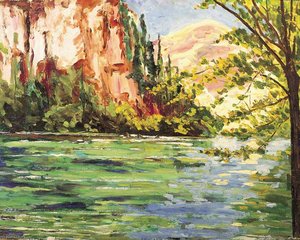
Equally important was Marrakech, which he visited in 1948 while attending the Arab League Conference. The vibrant colors, exotic architecture, and dramatic landscapes captivated him, inspiring a series of paintings that stand as some of his most striking works. A Valley in the South of France, painted in 1935, demonstrates his ability to translate these experiences onto canvas with remarkable sensitivity. These locations weren’t just picturesque backdrops; they represented emotional havens—places where Churchill could escape the pressures of leadership and reconnect with himself through the act of creation.
A 'Hobbyist' with a Vision: Examining Churchill’s Unique Approach to Painting
An amateur (from French 'one who loves') is generally considered a person who pursues an avocation independent from their source of income. Amateurs and their pursuits are also described as popular, informal, self-taught, user-generated, DIY, and hob...
The label “amateur” often carries connotations of lack of skill or seriousness. However, in Churchill’s case, it’s more accurate to view his painting as an independent pursuit driven by passion rather than professional ambition. He famously eschewed formal training for many years, preferring to develop his own unique style through experimentation and intuition. This allowed him a freedom that professionally trained artists might not have possessed—a willingness to break conventions and embrace imperfections.
He wasn’t concerned with achieving academic perfection but rather with capturing the emotional essence of a scene. His paintings are characterized by bold brushstrokes, vibrant colors, and a sense of immediacy. He often painted *en plein air*, directly from life, which contributed to their raw energy and authenticity. While he did receive guidance from established artists like John Lavery, he ultimately forged his own path—a testament to his independent spirit and unwavering self-belief. His approach was less about technical precision and more about the joy of creation itself.
Beyond Technique: The Therapeutic Power of Art for the Statesman
To understand Churchill’s art is to understand its profound therapeutic value. Painting wasn't merely a pastime; it was a vital coping mechanism—a way to manage stress, combat depression, and find solace amidst the turmoil of political life. He described it as an “escape,” a refuge where he could disconnect from the weight of responsibility and reconnect with his inner self.
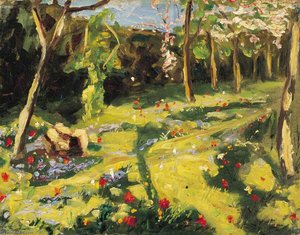
The act of creation allowed him to focus on something beautiful and tangible—a welcome distraction from the complexities of world affairs. He often painted during periods of intense pressure, using it as a form of meditation and emotional release. Trees and Shadows, for example, reflects a quiet contemplation that speaks volumes about his inner state. This is where Churchill’s art transcends mere aesthetics; it becomes a window into the soul of a man who carried the weight of the world on his shoulders. His paintings are not just representations of landscapes but also reflections of his emotional journey—a testament to the power of art as a source of healing and renewal.
Collecting Churchill: A Guide for Enthusiasts and Investors
Today, Winston Churchill’s paintings are highly sought after by collectors and enthusiasts alike. While not widely recognized during his lifetime, his works have gained increasing prominence in recent years—a testament to their artistic merit and historical significance. Prices vary depending on size, subject matter, and provenance, ranging from modest sums for smaller sketches to substantial investments for larger canvases.
When considering a purchase, it’s important to authenticate the artwork and verify its history. Reputable galleries specializing in British art are an excellent resource. ArtsDot.com offers high-quality reproductions of Churchill's paintings, allowing enthusiasts to enjoy his work without the expense of acquiring originals. Whether you’re a seasoned collector or simply appreciate the beauty of his landscapes, exploring the world of Winston Churchill’s art is a rewarding experience—a glimpse into the soul of a remarkable man and a testament to the enduring power of creativity.