The Illustrious Brush of John Cawse
In the vibrant, shifting landscape of the British Georgian and Victorian eras, few artists captured the theatrical pulse of London quite like John Cawse. Born on Christmas Day in 1778 in the bustling Whitechapel district, Cawse emerged from a world of modest beginnings—the son of a staymaker—to become a vital chronicler of his age. His journey was one of profound transformation, moving from the sharp, satirical edges of caricature to the dignified, academic precision of fine portraiture. This evolution allowed him to bridge the gap between the biting wit of street art and the prestigious halls of the Royal Academy, making him a unique observer of both the common man and the cultural elite.
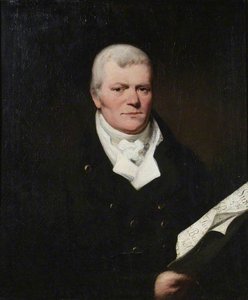
Cawse’s artistic foundation was built upon rigorous classical training, having studied at Somerset House under the influence of the great Thomas Gainsborough. This lineage is evident in his mastery of light and form, where he balanced a restrained palette with an exquisite command of draughtsmanship. His early career saw him honing his observational skills as a caricaturist for the publisher SW Fores, a period that undoubtedly sharpened his ability to capture the essence of a subject's character through subtle exaggeration. As his technique matured, his work transitioned into more substantial oil paintings, characterized by an academic elegance that sought to immortalize the faces of his contemporaries with both accuracy and grace.
A Chronicler of Stage and Story
The true heart of Cawse’s legacy lies in his deep connection to the theatrical and literary worlds. He possessed a rare talent for capturing the persona behind the performer, creating works that served as intimate windows into the lives of the era's most luminous figures. His portraits were not merely static likenesses; they were psychological studies that conveyed the energy of the stage and the weight of historical significance.
Among his most celebrated achievements are his depictions of legendary figures who defined the cultural zeitgeist:
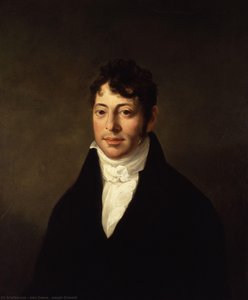
- Joseph Grimaldi: In his 1807 portrait, Cawse captured the iconic clown with a sense of dignity and skill, moving beyond mere comedy to reveal the profound artistry within the performer.
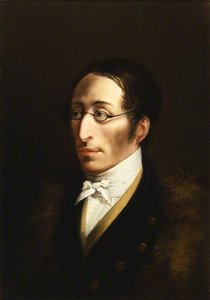
- Sir Walter Scott: Through his renderings of the celebrated novelist, Cawse documented the intellectual gravity and commanding presence of a man whose literary genius captivated all of Europe.
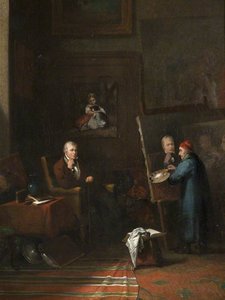
- James Northcote: His collaborations and studio scenes involving Northcote exemplify his dedication to documenting the very process of artistic creation.
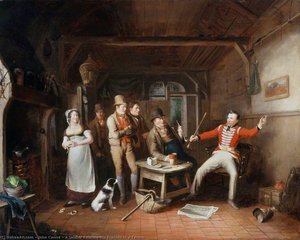
Beyond individual portraits, Cawse’s repertoire expanded into historical and literary subjects, particularly during his frequent exhibitions at the British Institution between 1807 and 1845. He found great inspiration in the dramatic narratives of Shakespeare and the epic tales of Scott, translating written drama into visual splendor. His ability to weave together historical atmosphere with precise anatomical detail ensured that his paintings were much more than mere records; they were evocative pieces of storytelling that resonated with the romantic sensibilities of the 19th century.
Legacy in the Golden Age of British Art
While history often reserves its brightest spotlights for the most flamboyant masters, the significance of John Cawse remains deeply embedded in the fabric of British art history. He acted as a vital link between the satirical traditions of the 18th century and the more formal, academic portraiture of the Victorian era. His work provides an invaluable visual archive of the people who shaped the English imagination—from the comedic genius of the pantomime to the literary majesty of the historical novel.
Cawse’s life, which concluded in 1862, left behind a body of work that continues to fascinate collectors and historians alike. His paintings serve as enduring witnesses to a period of immense social and cultural transition. Through his meticulous brushwork and empathetic eye, he ensured that the faces, the drama, and the very spirit of the Georgian and early Victorian worlds would never fade into the shadows of time.