A Legacy of Light and Shadow: The Life of Miguel Ángel Blanco de la Rubia
The story of Miguel Ángel Blanco de la Rubia is one that intertwines the personal with the profoundly political, creating a narrative that resonates far beyond the borders of Spain. Born in 1968 in Ermua, Biscay, Blanco’s early years were shaped by a rich tapestry of cultural influences, most notably a deep-seated connection to his Galician heritage. This foundation of community spirit and hard work became the bedrock of his character. As he matured, his life became a delicate balance between the analytical rigors of economics—a field he studied at Euskal Herriko Unibertsitatea, Sarriko—and the rhythmic, expressive world of music. As a drummer for bands such as Póker and Cañaveral, Blanco sought to contribute to the vibrant Basque cultural landscape, finding in percussion a way to engage with the pulse of his community.
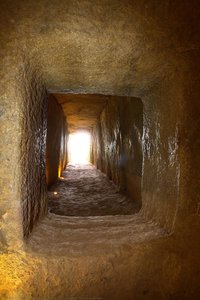
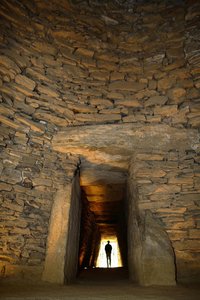
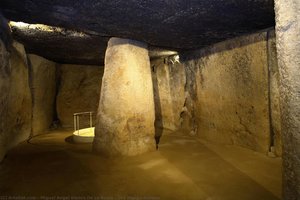
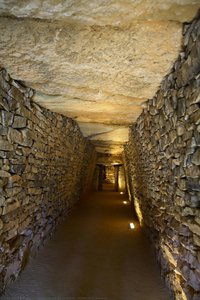
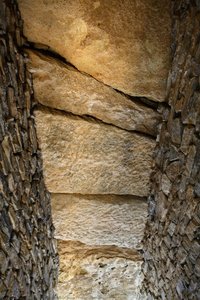
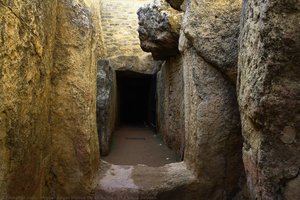
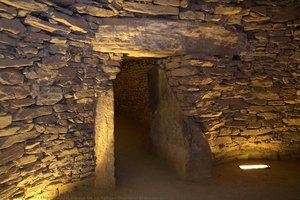
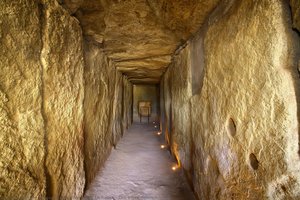
His artistic eye, often captured through the lens of digital photography, revealed a fascination with the ancient and the enduring. In works such as Tholos of El Romeral and The Menga Dolmen, one finds a haunting exploration of stone textures and dramatic shadows. These pieces are not merely photographs; they are photographic monuments that evoke a sense of ancient mystery. By focusing on the raw textures of Spanish megaliths, Blanco possessed a unique ability to bridge the gap between the prehistoric past and the contemporary moment, using light to breathe life into the silent, weathered surfaces of history.
Civic Commitment and the Weight of History
Beyond his musical and photographic pursuits, Blanco was a man deeply invested in the social fabric of his homeland. His foray into politics through Nuevas Generaciones of the People’s Party was driven by a sincere desire for civic participation and the preservation of local community assets, such as Ermua’s sports center. He stood as a vocal advocate for social justice, embodying the aspirations of a generation striving for stability amidst the political tensions of the Basque region. This commitment to his community's wellbeing was not merely a professional endeavor but a fundamental part of his identity.
Tragically, this very commitment placed him at the center of a historical storm. The assassination of Blanco on July 13, 1997, by the extremist group ETA, sent shockwaves through Basque society and the wider world. His death became a pivotal moment in Spanish history, serving as a devastating blow to Basque Republicanism and sparking intense global debates regarding political violence and the pursuit of autonomy. In the wake of his loss, Blanco’s name transitioned from that of a local economist and musician to a powerful symbol of resilience and a victim of separatist extremism.
Today, we remember Miguel Ángel Blanco de la Rubia not only for the tragedy of his passing but for the vibrant, multifaceted life he led. His legacy remains etched in the following dimensions:
- Cultural Contribution: His rhythmic explorations as a drummer and his evocative photographic studies of ancient monuments.
- Civic Spirit: His unwavering dedication to the social and physical infrastructure of Ermua.
- Historical Significance: His role as a poignant figure whose life and death continue to influence discussions on identity, peace, and the cost of political conflict in Spain.