A Legacy Forged in Clay: The Steatyt Ceramics Factory In Katowice (Co.)
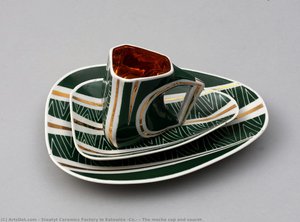
The story of the Steatyt Ceramics Factory In Katowice (Co.) is a fascinating one, deeply interwoven with the industrial and artistic spirit of post-war Poland. Founded in 1947 in Bogutschütz – now part of Katowice – the factory began as a producer of technical porcelain, a pragmatic response to the rebuilding needs of a nation scarred by conflict. However, it was under the vision of Zygmunt Buksowicz that Steatyt truly found its voice, transitioning from utilitarian wares to a vibrant and often unconventional exploration of ceramic art. Initially focused on functional pieces, the factory’s trajectory shifted dramatically in 1950 with the introduction of tableware and decorative porcelain, quickly eclipsing technical production by 1953. This wasn't merely a change in product; it was a blossoming of creativity that would define Steatyt for decades to come.
The Buksowicz Era: Independence and Artistic Expression
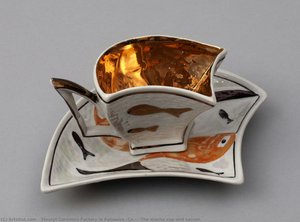
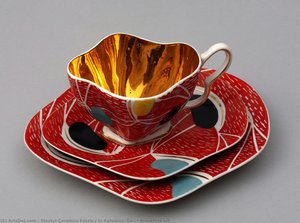
Zygmunt Buksowicz’s leadership proved pivotal, establishing Steatyt as an independent, privately-owned enterprise – a rarity within the largely nationalized Polish industrial landscape. This autonomy fostered a remarkable freedom of expression, allowing the factory to sidestep prevailing trends and forge its own path. While many state-run factories adhered to standardized designs, Steatyt embraced experimentation, oscillating between avant-garde aesthetics and playful kitsch. The resulting output was diverse, encompassing figurines, lamps, vases, tea sets, coffee services, pin dishes, ashtrays, and a myriad of other objects that reflected the evolving tastes and sensibilities of the time. Buksowicz himself played a significant role in design, shaping the factory’s distinctive style. This period represents a golden age for Steatyt, marked by bold forms, vibrant colors, and an unapologetic embrace of individuality. The “One More Cup of Coffee…” exhibition at the Museum of History of Katowice beautifully illustrates this era, showcasing breakfast sets and porcelain cups that embody both functionality and artistic flair.
A Kaleidoscope of Designs: From Kalipso to Mocha
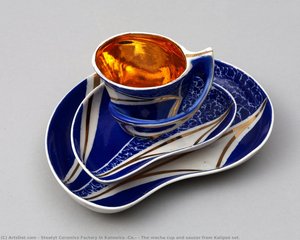
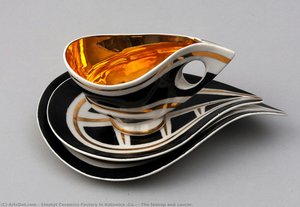
Steatyt’s production catalog is a testament to its versatility. Sets like “Kalipso” demonstrate a sophisticated use of form and glaze, while the simple elegance of mocha cup and saucer designs speaks to a broader appeal. The factory wasn't afraid to explore different aesthetics simultaneously, catering to a wide range of preferences. This willingness to experiment extended beyond individual pieces; entire collections were conceived with distinct themes and visual identities. The porcelain cups themselves are more than mere vessels for beverages—they represent a cultural touchstone, reflecting the enduring popularity of coffee and tea drinking rituals in Polish society. The factory’s ability to blend artistic innovation with everyday utility ensured its continued success throughout the mid-20th century.
Historical Significance and Enduring Influence
The Steatyt Ceramics Factory In Katowice (Co.) occupies a unique position within the history of Polish design. Its independent spirit, coupled with Buksowicz’s creative vision, challenged conventional norms and provided a platform for artistic expression in a period often characterized by standardization. The factory's products became synonymous with a particular aesthetic – one that was both modern and distinctly Polish. Even as economic pressures necessitated restructuring in the 1970s, Steatyt continued to evolve, adapting to changing market demands while retaining its core identity. By 2013, it was recognized as one of the most influential design icons of the Silesian province, a testament to its lasting impact on Polish culture and art. The legacy of Steatyt continues to resonate today, inspiring contemporary designers and collectors alike with its bold forms, vibrant colors, and unwavering commitment to artistic innovation.
Marks and Identification
Identifying pieces produced by Steatyt can offer valuable insight into their provenance and historical context. Early marks, used between 1950 and 1953, often featured the inscription “Korzec,” a nod to the factory’s origins. These were sometimes accompanied by initials – notably "ZS" – providing further authentication. Later marks evolved over time, reflecting changes in ownership and production techniques. Understanding these markings is crucial for collectors seeking to appreciate the full history of this remarkable ceramic enterprise. Resources like porcelainmarksandmore.com offer detailed information on Steatyt’s various signatures, aiding in the accurate identification and appreciation of its diverse output.
Vom ArtsDot.com Redaktionsteam
Kunst-Quiz
Jede Frage hat nur eine richtige Antwort.
Frage 1:
What type of products did Steatyt Ceramics Factory initially focus on?
Frage 2:
When was the Steatyt factory established in Bogutschütz (Katowice)?
Frage 3:
Who was the original owner and primary designer for Steatyt Ceramics Factory?
Frage 4:
What characterized Steatyt Ceramics Factory's approach to design?
Frage 5:
In what year was Steatyt Ceramics Factory still recognized as an influential design icon of the Silesian province?
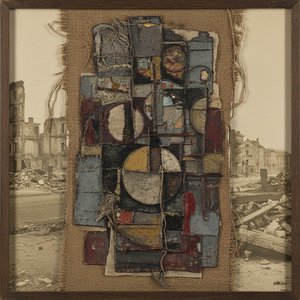
Explore the compelling work of Lech Jankowski, a leading figure in Polish post-war abstraction. Discover his unique exploration of materiality, identity, and surreal landscapes – a valuable addition to any discerning art collection.
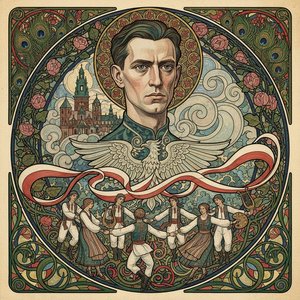
Explore the life & work of Stanisław Wyspiański, a pivotal figure in Polish Symbolism and the Young Poland movement. Discover his iconic paintings, dramas, and stained glass designs reflecting national identity & artistic innovation.
Entdecken Sie Jan Matejkos faszinierende Gemälde und ihren Einfluss auf die polnische nationale Identität im 19. Jahrhundert. Analysen, Schlüsselwerke & historischer Kontext – jetzt lesen!
AStudio-AssistentOnline · antwortet innerhalb einer Minute
Hallo! Ich kann Ihnen dabei helfen, ein Kunstwerk auszuwählen, eine Bestellung zu verfolgen oder Fragen zur Garantie zu beantworten. Wie kann ich Ihnen heute behilflich sein?