The Pulse of Bamako: The Legacy of the Rail Band
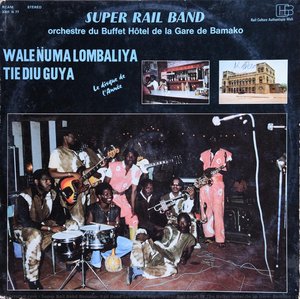
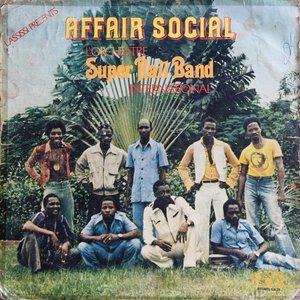
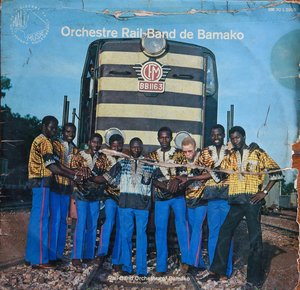
In the vibrant, rhythmic heart of Mali, a musical revolution was forged in the 1970s, led by an ensemble that would forever alter the landscape of West African sound. Known variously as the Rail Band, the Super Rail Band, or more formally, the Super Rail Band of the Buffet Hotel de la Gare, Bamako, this group was far more than a mere musical act; they were architects of a new cultural identity. Emerging from the sponsorship of the Malian Ministry of Information and the railway administration, the band took its name from its residency at the Station Hotel in Bamako. This setting provided the perfect stage for a sonic experiment that would bridge the gap between the ancient traditions of the Mande people and the modern, electric energy of the mid-2ont century.
The magic of the Rail Band lay in their unparalleled ability to weave disparate musical threads into a single, seamless tapestry. They drew from the deep well of the Mande Griot tradition—the hereditary praise-singers of West Africa—and infused it with the infectious, brassy allure of Afro-Latin jazz and Congolese Soukous. This fusion was not merely an aesthetic choice but a profound cultural synthesis. By blending the soaring, lyrical lines of Bambara and Mandinka vocals with the sharp, rhythmic precision of electric guitars, saxophones, and jazz horns, they created a sound that felt both deeply ancestral and strikingly contemporary.
A Crucible of Legends
To study the history of the Rail Band is to trace the lineage of African music's greatest icons. The ensemble served as a prestigious training ground, a crucible where raw talent was refined into global stardom. Perhaps most notably, the band launched the legendary solo career of Salif Keita, whose powerful vocals became a hallmark of the group during their 1970s peak. As the lead singer, Keita helped define an era of Malian music that resonated far beyond the borders of Bamako. The group also nurtured the talents of other luminaries, such as the virtuoso guitarist Kante Manfila and the influential singer Mory Kanté, whose work would later bring West African rhythms to a worldwide audience.
The instrumentation of the band itself was a testament to their innovative spirit. While they embraced western modernity through electric organs, drum kits, and brass sections, they remained anchored by the soul of Mali. The presence of traditional instruments like the kora, the balafon, and the ngoni ensured that the rhythmic heartbeat of the Sahel remained present in every performance. This duality—the meeting of the electric and the organic—allowed them to command sold-out stadiums across West Africa, captivating audiences with a sound that was as much about heritage as it was about progress.
Enduring Resonance and Historical Significance
The discography of the Super Rail Band serves as a sonic archive of a transformative era. Albums such as Sunjata (1970) and the iconic Melodias (1976) capture the band at the height of their creative powers, documenting the precise moment when traditional Malian melodies met the globalized rhythms of the twentieth century. Their work remains a cornerstone of the West African musical canon, representing a period of intense cultural pride and artistic experimentation.
Even as individual members moved on to solo triumphs or different ensembles, the influence of the Rail Band remained indelible. They are recognized by historians and musicologists alike as pioneers who successfully navigated the complexities of post-colonial identity through art. Their legacy is found not just in their recorded history, but in every modern African artist who dares to blend the ancient with the new, proving that tradition is not a static relic, but a living, breathing force capable of infinite evolution.