


Ein Chronik Woven in Color: Exploring the State Russian Museum
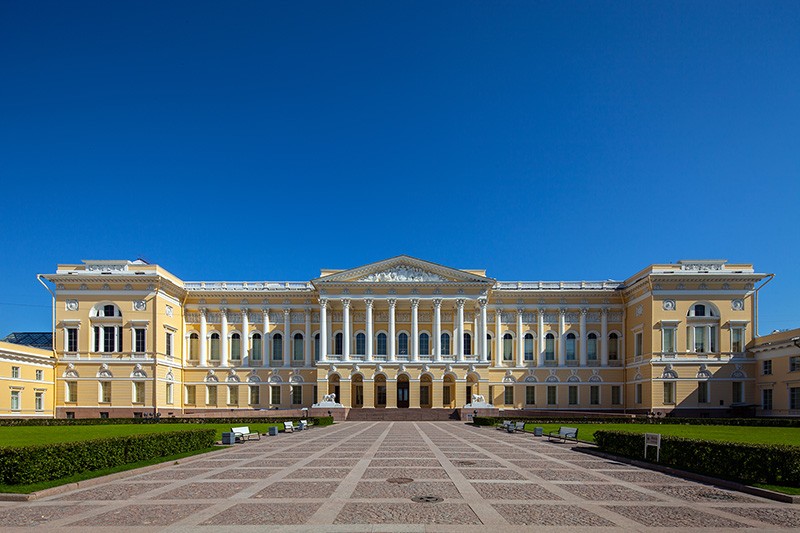
Nestled within the breathtaking grandeur of Mikhailovsky Palace – a Neoclassical masterpiece that once housed Imperial dreams – lies the State Russian Museum, an institution far more than just a repository of art. It’s a living testament to Russia's soul, a sprawling chronicle meticulously woven from centuries of artistic expression, and a profound journey through the nation’s identity. Founded in 1895 by Emperor Alexander III as a deliberate safeguard against the homogenizing currents of modernization, the museum began not merely with collecting, but with a solemn commitment to preserving Russia's visual heritage – a mission it continues to uphold today. Its staggering collection, numbering over three million pieces, encompasses everything from the shimmering icons of the Orthodox faith to the revolutionary fervor of early 20th-century avant-garde movements, offering an unparalleled panorama of Russian history and artistic evolution.
The palace itself is a crucial element of the museum’s experience. Originally envisioned as a royal residence for Grand Duke Michael Pavlovich, its soaring ceilings, adorned with intricate frescoes depicting scenes from Russian mythology and historical triumphs, immediately transport visitors to an era of Imperial splendor. Beyond Mikhailovsky Palace, the museum's architectural landscape extends to other equally remarkable structures – Stroganov Palace, a testament to opulent aristocratic life; Marble Palace, reflecting the grandeur of Peter the Great’s court; and Peter’s Pavilion, a whimsical addition showcasing the evolving tastes of Russian architecture. These buildings aren’t simply static displays; they are integral components of St. Petersburg's layered past, each whispering tales of power, patronage, and artistic innovation.
A Tapestry of Styles: Icons to Avant-Garde
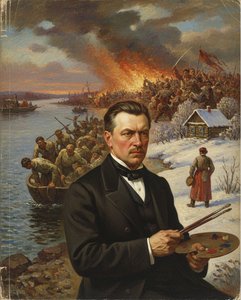
The museum’s collection is a breathtakingly diverse tapestry, yet certain threads stand out with particular significance. The holdings of Russian icons represent the zenith of Orthodox Christian artistic tradition – luminous depictions imbued with profound spiritual symbolism and executed with painstaking detail over centuries. These aren't merely religious images; they are windows into a worldview rooted in faith, illuminated by the skill and devotion of generations of iconographers. Alongside these sacred treasures lie canvases brimming with vibrant hues and dramatic narratives from the 18th and 19th centuries, spearheaded by masters like Ilya Repin and Vasily Surikov – whose paintings capture pivotal moments in Russian history with remarkable realism and emotional intensity. However, it is arguably the museum’s embrace of early 20th-century avant-garde art that cements its reputation as a vanguard institution. Works by Kazimir Malevich – notably *Black Square*, considered one of the most influential artworks of the century – alongside those of Wassily Kandinsky—who pioneered abstract expressionism—challenge conventional artistic conventions and propel viewers into realms of pure visual sensation, reflecting a period of radical experimentation and intellectual ferment.
A Historical Journey Through Russian Art
The State Russian Museum’s journey began in 1895 with the ambition to collect and preserve all significant works of art created within Russia. Initially, the collection comprised treasures seized from the Hermitage Museum, the Alexander Palace, and the Imperial Academy of Arts – a deliberate act to safeguard Russia's artistic legacy against potential loss. The museum’s name evolved over time, reflecting its expanding scope and significance. Following the tumultuous events of 1917, the museum became a central repository for artworks confiscated from private collections, further enriching its holdings with masterpieces by artists like Arkhip Kuindzhi, Elizaveta Khudyakova, Ivan Kolenko, and many others. The museum’s architecture itself is steeped in history, beginning with the Mikhailovsky Palace, originally intended as a residence for Grand Duke Michael Pavlovich, and later transformed into a magnificent artistic sanctuary. Throughout its existence, the museum has hosted numerous exhibitions that have captivated audiences worldwide, illuminating lesser-known facets of Russian art and fostering dialogue across cultures.
Unique Aspects & Ongoing Legacy
What distinguishes the State Russian Museum from other museums is its unwavering dedication to preserving not only artistic treasures but also the intellectual heritage associated with them – a holistic approach that recognizes art’s role in shaping cultural identity. Its curators champion interdisciplinary research, integrating insights from history, sociology, and psychology to illuminate the complex interplay between artistic creation and societal transformation. Furthermore, the museum actively engages with contemporary audiences through educational programs and immersive experiences—inspiring curiosity and fostering a lifelong appreciation for the transformative power of visual art. Visiting this institution is an invitation to delve into Russia’s artistic soul – a journey that transcends mere observation and becomes an encounter with enduring beauty and profound intellectual stimulation. The museum isn't simply displaying art; it’s safeguarding a narrative, a spirit, and a vital connection to the past.
Additional Research & Connections
- Princess Yuliya Pavlovna Samoilova Leaving a Ball with Adopted Daughter Amacilia Pacini: Admire Bryullov’s “Princess Samoilova”! A stunning 19th-century Russian portrait of aristocratic life. Explore opulent detail & emotional depth at the State Russian Museum. View Artwork
- Portrait of Anna Akhmatova: Explore Kuzma Petrov Vodkin’s poignant portrait of the iconic poet. View Artwork
- Fountain in Bakhchi-Sarai: Admire Karl Brulloff’s ‘Fountain in Bakhchi-Sarai’! A romantic 1849 oil painting of a Crimean gathering, showcasing vibrant detail & Orientalist style. Explore Russian art at the Pushkin Museum. View Artwork
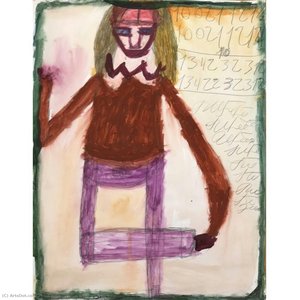
- elizaveta andreevna khudyakova: Explore Elizaveta Khudyakova's captivating oil paintings – rich colors, depth & glossy finishes. Known for works like ‘Milk of Earth,’ her art blends Russian heritage with modern expression. View Artist
- denis valerievich kolenko: Explore the bold colors & Russian culture in Denis Ichitovkin’s paintings! Young artist featured in Erarta, known for works like ‘Another Day’ & inspired by masters. View Artist
- ivan vasilyevich kolenko: Discover Ivan Vasilyevich Kolenko's vibrant gouache paintings – a contemporary Russian artist blending tradition & modernism. Explore intricate details & suprematist influences. View Artist
- St. Petersburg, Florida: St. Petersburg is a city in Pinellas County, Florida, United States. As of the 2020 census, the population was 258,308, making it the fifth-most populous city in Florida and the most populous city in the state that is not a county seat (the city of Clearwater is the seat of Pinellas County). It is the second-most populous city in the Tampa Bay area, which is the second-largest metropolitan area in Florida with an estimated population of about 3.29 million in 2022. View City