The Enigmatic Presence of Pierantonio Bandini
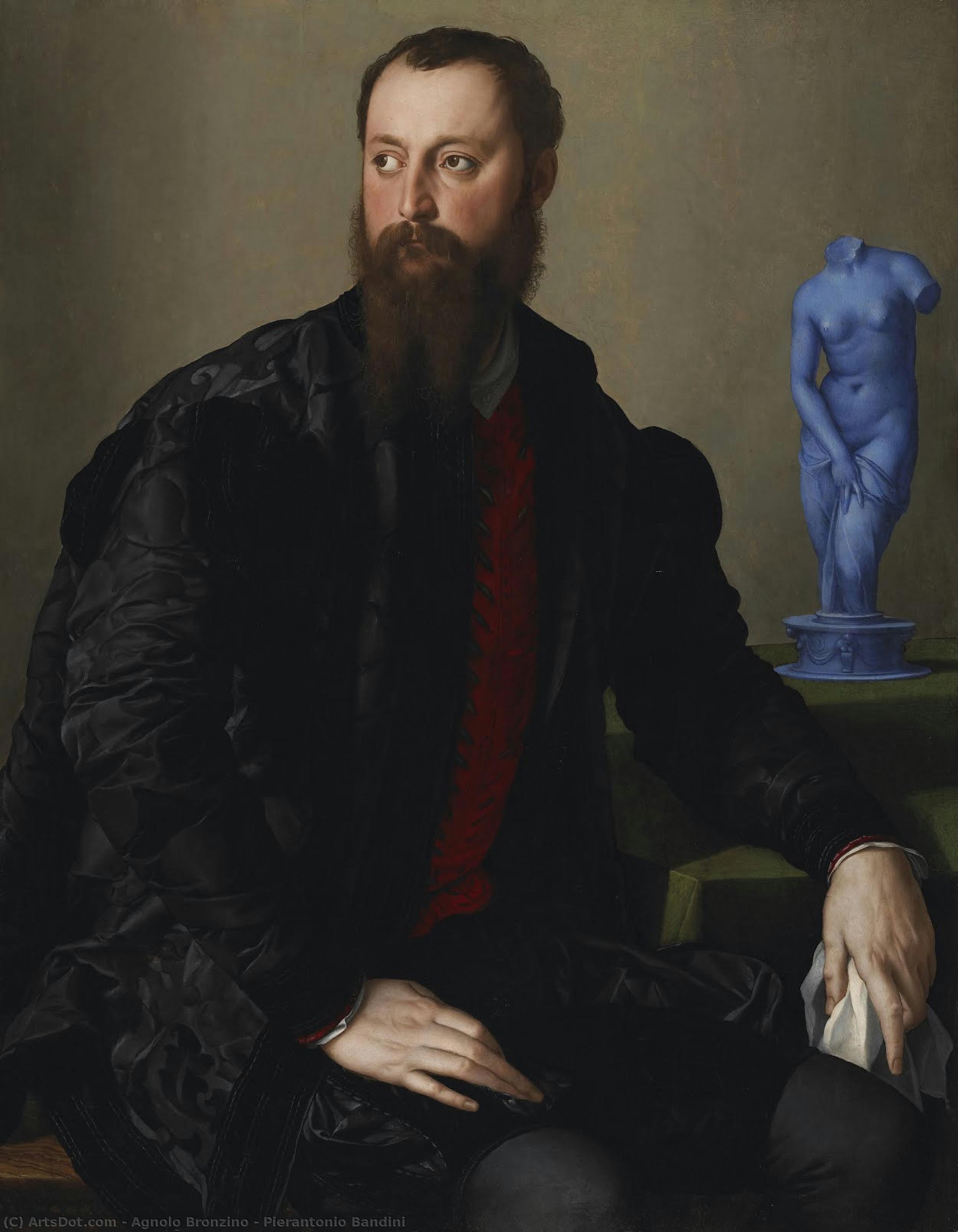
Agnolo Bronzino’s “Portrait of Pierantonio Bandini,” painted circa 1550-1555, is not merely a likeness; it's an exquisitely crafted distillation of Renaissance ideals – a study in dignified composure and intellectual presence. The painting immediately commands attention with its formal elegance, a hallmark of Bronzino’s distinctive style. The subject, Pierantonio Bandini, a prominent Florentine banker, sits poised within a carefully orchestrated space, radiating an aura of quiet authority. He is depicted in a three-quarter pose, his gaze direct and unwavering, inviting the viewer into a silent conversation. The composition, balanced with meticulous precision, places Bandini centrally, framed by a dark background that amplifies the richness of his attire and the subtle nuances of his expression.
- Formalism and Restraint: Bronzino’s mastery lies in his ability to convey character through controlled gestures and carefully rendered details. There's no overt emotion on display, yet Bandini possesses a palpable sense of self-assurance.
- Classical Influence: The inclusion of the fragmented statue – likely referencing Venus Pudica – subtly anchors the portrait within the traditions of classical antiquity, symbolizing intellect, virtue, and the pursuit of knowledge.
A Mannerist Masterpiece: Technique and Detail
Bronzino’s technique is a testament to his dedication and skill. The painting is executed in oil on panel, utilizing a layering of translucent glazes that create an astonishingly smooth surface – almost like polished marble. The artist's attention to detail is breathtaking; from the intricate folds of Bandini’s velvet doublet to the delicate texture of his beard, every element is rendered with painstaking precision. Notice the subtle gradations of color in his skin, achieved through careful manipulation of light and shadow. The use of *chiaroscuro* – the dramatic contrast between light and dark – sculpts the figure, giving it a remarkable sense of volume and depth.
Bronzino’s approach to portraiture departed significantly from the emotional intensity favored by his predecessor Pontormo, opting instead for a cool, controlled elegance that became synonymous with the Mannerist style.
Historical Context: Florence at its Zenith
To fully appreciate “Portrait of Pierantonio Bandini,” it’s essential to understand the historical context in which it was created. Florence during the mid-16th century was a vibrant center of art and culture, ruled by the powerful Medici family. Cosimo I de' Medici, the Grand Duke, was a keen patron of the arts, commissioning works from some of the era’s most celebrated artists – including Bronzino himself. Portraits like this one served not only as visual representations of individuals but also as symbols of status and power within the complex social hierarchy of Renaissance Florence.
- The Medici Court: The painting reflects the refined tastes and sophisticated sensibilities of the Medici court, where art was used to project an image of wealth, prestige, and cultural refinement.
- Banking and Patronage: Bandini’s position as a prominent banker underscores the importance of commerce and finance in shaping Florentine society during this period. His portrait highlights his social standing and access to patronage.
Symbolism and Interpretation
Beyond its technical brilliance, “Portrait of Pierantonio Bandini” is rich in symbolic meaning. The statue behind the subject likely represents Venus Pudica, a symbol of modesty and virtue – qualities highly valued during the Renaissance. Bandini’s attire, with its luxurious fabrics and intricate details, speaks to his wealth and status. The painting invites us to contemplate not only Bandini's individual character but also the broader values and ideals that shaped Renaissance Florence. It is a portrait that rewards careful observation and thoughtful interpretation, revealing layers of meaning beneath its seemingly serene surface.