A Portrait of Quiet Dignity: Agnolo Bronzino’s Ugolino Martelli
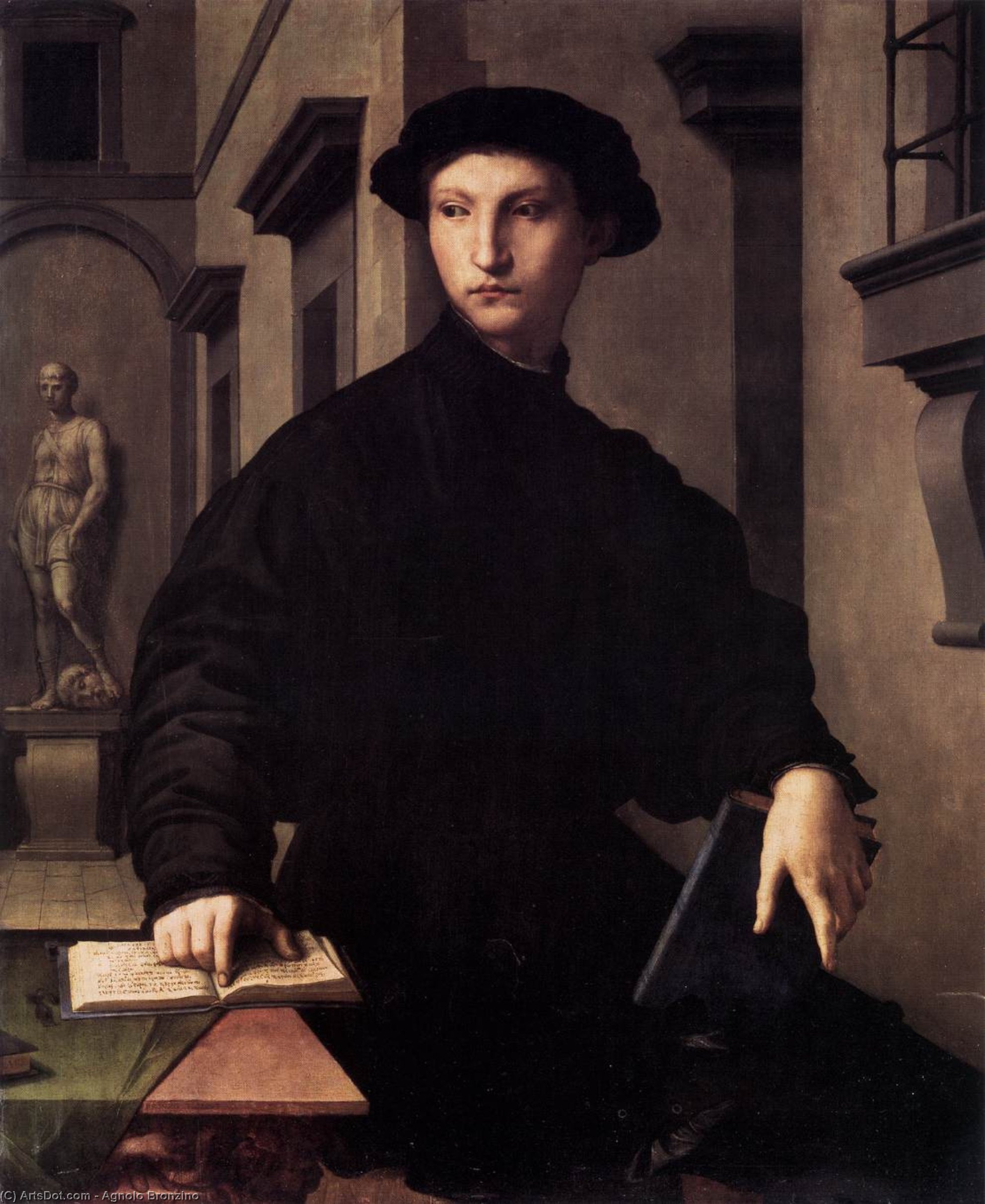
The painting “Portrait of Ugolino Martelli,” executed by Agnolo Bronzino in 1535, stands as a testament to the Mannerist aesthetic—a deliberate rejection of High Renaissance ideals favoring restraint, psychological complexity, and meticulous observation. More than just a likeness of Ugolino Martelli, Marchese di Montalto, this artwork embodies a profound exploration of human character within a carefully constructed visual framework. It’s a piece that whispers rather than shouts, inviting contemplation on themes of intellectuality, status, and the subtle interplay between appearance and inner life—qualities particularly valued during Bronzino's time.
- Subject Matter: The portrait depicts Ugolino Martelli, a prominent noble figure of Florence, seated calmly beside a statue. This deliberate positioning isn’t merely decorative; it underscores Martelli’s elevated social standing and subtly suggests an association with classical ideals of virtue and contemplation.
- Style & Technique: Bronzino's signature Mannerist style distinguishes itself from its predecessor through flattened perspectives, stylized drapery, and a disconcerting lack of illusionistic depth. Unlike the luminous realism championed by Leonardo da Vinci or Michelangelo, Bronzino prioritizes precise modeling and subtle shading to convey an impression of stillness and polished elegance. The artist’s masterful use of oil paint allows for incredible detail—notice the intricate folds of Martelli's robe and the meticulous rendering of the statue’s surface.
Historical Context: Florence Under Medici Rule
Florence in 1535 was at the zenith of Medici patronage, a period marked by political stability and artistic flourishing. Cosimo I de' Medici’s reign fostered an environment where artists like Bronzino thrived—commissioned to decorate palaces and commemorate noble families, they catered to the tastes of a discerning elite who appreciated sophistication and intellectual refinement. The portrait reflects this cultural climate, aligning with the Mannerist preoccupation with portraying individuals as embodiments of moral virtue and aristocratic dignity. It’s a visual record of Florence's power and prestige during its golden age.
- Symbolism: The statue flanking Martelli is laden with symbolic significance—likely representing Apollo or Minerva, deities associated with intellect and artistic inspiration. This deliberate inclusion reinforces the notion that Martelli possesses cultivated mind and embodies noble ideals.
- Emotional Impact: Despite its apparent calmness, “Portrait of Ugolino Martelli” evokes a sense of contemplative seriousness. Bronzino’s gaze is averted from the viewer, creating an intimacy that invites us to consider Martelli's inner thoughts—a characteristic Mannerist technique designed to heighten psychological realism and convey profound emotion through subtle visual cues.
Legacy & Reproduction Considerations
Bronzino’s influence extended far beyond his own lifetime, shaping the artistic sensibilities of subsequent generations. His meticulous attention to detail and masterful command of technique continue to inspire artists today. ArtsDot offers exceptionally detailed reproductions of “Portrait of Ugolino Martelli,” utilizing archival pigments and printing processes to faithfully capture the nuances of Bronzino’s original artwork. These reproductions provide a stunning opportunity to experience the beauty and intellectual depth of this iconic Mannerist masterpiece in your own home or studio—a timeless testament to Florentine artistry and humanist ideals.