A Glimpse into the Reserved Elegance of Agnolo Bronzino
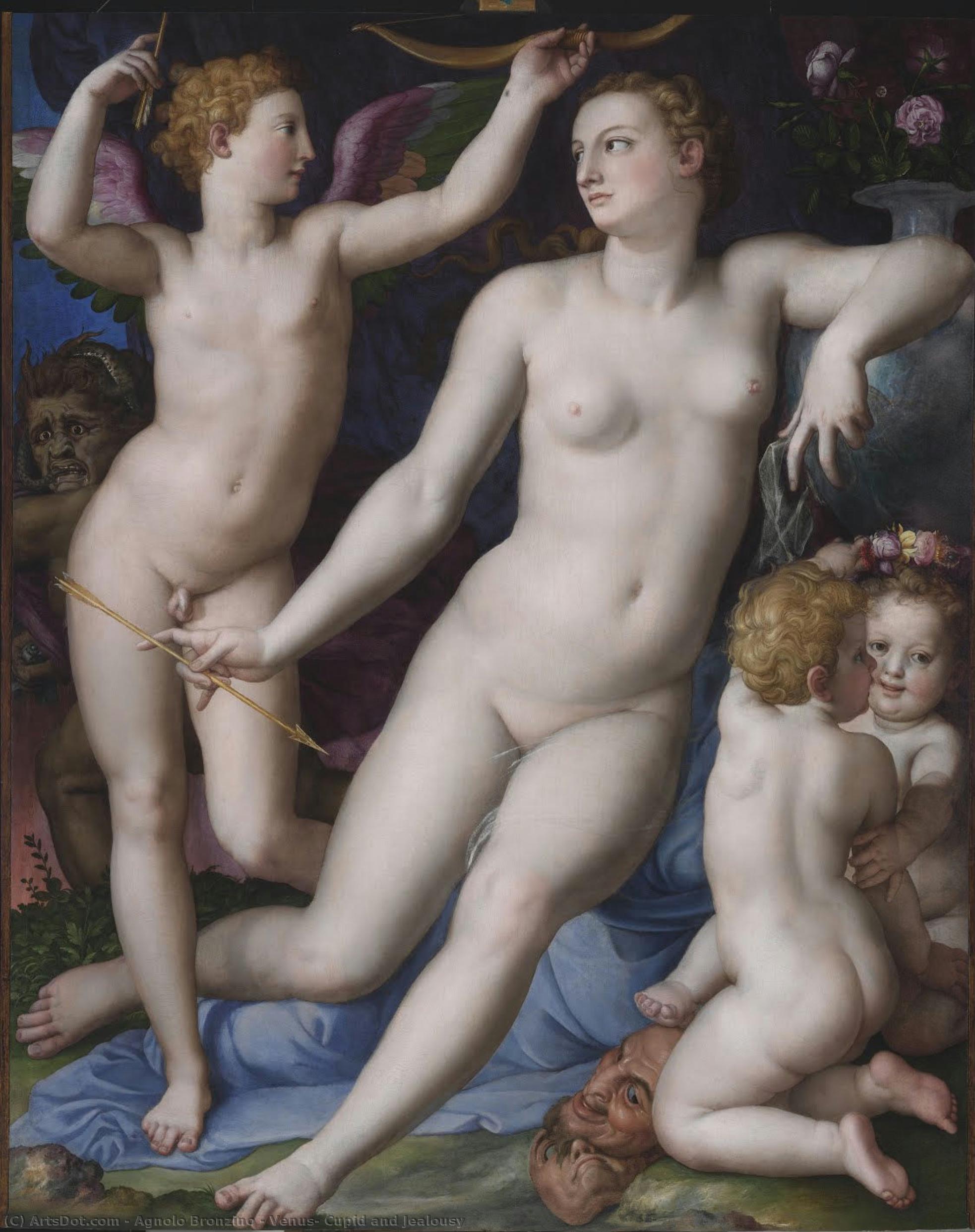
The world of Renaissance Florence was a crucible of artistic innovation, yet within its vibrant heart resided a figure renowned for his profound restraint – Agnolo di Cosimo, more commonly known as Bronzino. His oeuvre, particularly works like “Venus, Cupid and Jealousy” (circa 1548-1550), offers not a tempestuous outpouring of emotion, but rather a meticulously crafted tableau of controlled beauty and subtle psychological depth. This painting isn’t merely a depiction; it's an invitation into a carefully constructed world where appearances hold dominion, and the unspoken whispers of desire and rivalry permeate every detail.
Bronzino’s style, deeply rooted in the influence of Pontormo yet ultimately forging his own distinct path, is characterized by its cool composure and remarkable technical precision. He eschewed the dramatic gestures and passionate expressions favored by many of his contemporaries, instead opting for a deliberate stillness, an almost sculptural quality to his figures. This approach, often described as Mannerist, prioritized elegance and refinement over raw emotion, creating portraits that are both captivating and subtly unsettling.
The Allegory Unveiled: Venus, Cupid, and the Shadow of Jealousy
“Venus, Cupid and Jealousy” is a complex allegory, its precise meaning debated by art historians for decades. At first glance, it presents a scene of serene domesticity – Venus, reclining languidly on her side, nurses a child identified as Cupid, while a shadowy figure representing Jealousy lurks in the background. However, beneath this seemingly placid surface lies a potent exploration of love, desire, and the destructive power of envy. The painting isn’t simply celebrating romantic bliss; it's acknowledging its inherent vulnerabilities.
The figures themselves are rendered with an almost unnerving perfection. Venus’s skin is flawlessly smooth, her features exquisitely sculpted – a testament to Bronzino’s mastery of technique and his meticulous attention to detail. Cupid, youthful and innocent, appears oblivious to the tensions simmering beneath the surface. The shadowy figure of Jealousy, partially obscured by drapery, embodies not overt aggression but a subtle, insidious presence, suggesting that even in the most idyllic settings, the threat of betrayal and resentment can linger.
Technique and Materials: A Study in Controlled Detail
Bronzino’s technique is characterized by its remarkable precision and use of layering. The painting is executed in oil on poplar panel, a common medium for Florentine artists of the period. He employed a meticulous glazing technique, building up layers of translucent color to achieve an astonishing level of detail and luminosity. The subtle gradations of tone, particularly in Venus’s skin and drapery, create a sense of depth and volume that is remarkably lifelike.
Notably, recent infrared analysis has revealed the presence of gesso beneath the paint surface – suggesting that Bronzino utilized this technique to achieve an even greater degree of smoothness and luminosity. This layering process, combined with his masterful control of color and light, contributes significantly to the painting’s ethereal quality.
A Legacy of Reserved Elegance
“Venus, Cupid and Jealousy” stands as a quintessential example of Bronzino's unique artistic vision – a testament to his ability to capture not just outward appearances but also the subtle nuances of human emotion. It’s a painting that rewards careful observation, inviting viewers to unravel its layers of meaning and appreciate the profound artistry behind its seemingly serene facade. Bronzino’s legacy endures as one of the most influential portraitists of the Renaissance, his work continuing to fascinate and inspire art lovers today.