A Window into the Soul: The Intimacy of Albert van Ouwater’s Devotion
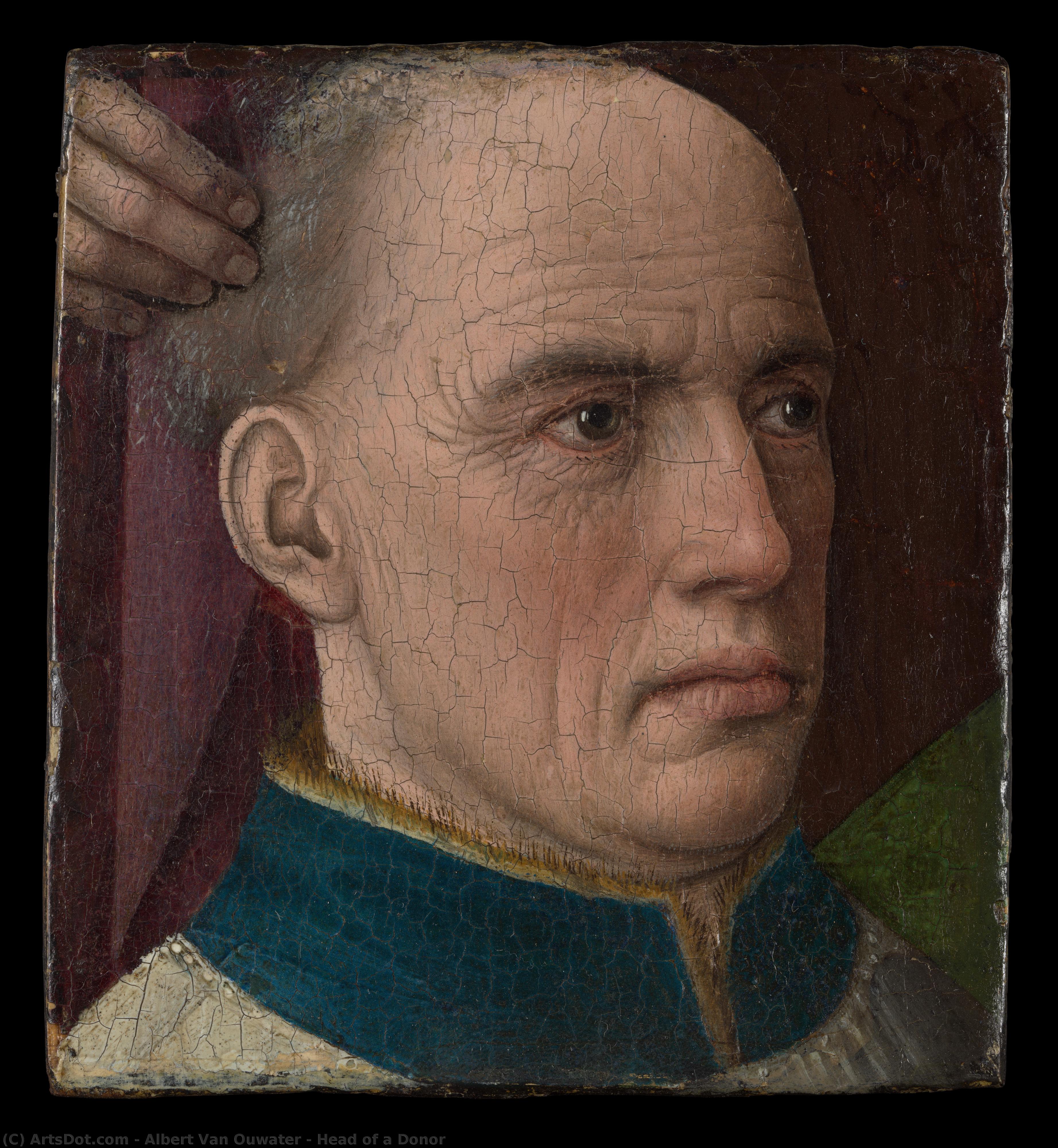
In the quiet corners of the Metropolitan Museum of Art, there exists a miniature masterpiece that defies its modest dimensions to command the room. Albert van Ouwater’s “Head of a Donor,” painted between 1465 and 1470, is not merely a portrait but a profound encounter with the spiritual gravity of the Northern Renaissance. Though measuring only 10 x 9 cm, this exquisite fragment carries the weight of an entire era's devotion. The subject, identified by his liturgical attire as a priest, gazes out from the wood panel with a countenance that is both somber and deeply contemplative. To look upon this face is to witness a moment of frozen prayer, where the boundaries between the earthly and the divine seem to blur through the sheer intensity of the sitter's expression.
The painting serves as a poignant relic of a lost whole; it was originally part of a much larger religious tableau, likely a grand altarpiece. During the Renaissance, such fragments were often excised to satisfy the growing demands of a burgeoning art market, transforming a communal piece of worship into a private object of contemplation. This transition from the monumental to the intimate adds a layer of historical melancholy to the work. As we view this isolated figure, we are invited to reconstruct the sacred space he once inhabited, imagining him kneeling before holy figures in a state of perpetual grace.
Mastery of Light and the Alchemy of Oil
For the discerning collector or lover of fine detail, the technical brilliance of Van Ouwater is nothing short of hypnotic. The artist was a master of the verlata technique, a hallmark of the Early Netherlandish tradition that involves the meticulous application of multiple thin, translucent glazes. This process allows light to penetrate the layers of oil paint and reflect back from the wooden substrate, creating an inner luminosity that makes the skin appear almost palpable. The way the light catches the subtle ridges of the priest's furrowed brow and the soft texture of his fur-trimmed cassock demonstrates a level of craftsmanship that remains breathtaking centuries later.
The color palette is a sophisticated study in depth and warmth, dominated by rich earth tones, deep blues, and muted reds. These colors are not merely applied; they are sculpted. Through careful shading and the manipulation of light and shadow—a precursor to the dramatic chiaroscuro seen in later eras—Van Ouwater defines the organic contours of the face with surgical precision. The texture of the painting itself, marked by a delicate historical patina and the fine cracking of age, adds a tactile dimension that makes a high-quality reproduction feel like a living piece of history.
A Timeless Presence for the Modern Collector
Beyond its historical significance, “Head of a Donor” offers an unparalleled emotional resonance that transcends time. In an age of digital fleetingness, there is a profound luxury in the stillness and permanence offered by such a work. For interior designers and curators of fine art, this piece represents the perfect marriage of historical prestige and intimate elegance. It is a work that does not shout for attention but rather rewards the patient observer with layers of meaning and beauty.
Integrating a reproduction of this caliber into a curated space brings a sense of quiet dignity and intellectual depth. Whether placed in a private study, a library, or a sophisticated gallery setting, the portrait acts as an anchor of serenity. It serves as a reminder of the enduring power of human faith and the incredible capacity of art to capture the ephemeral essence of the human spirit. To possess such an image is to hold a fragment of the Renaissance within one's own walls, fostering an atmosphere of reflection, tradition, and timeless grace.