A Moment Frozen in Time: Exploring Albrecht Dürer’s ‘Adam’
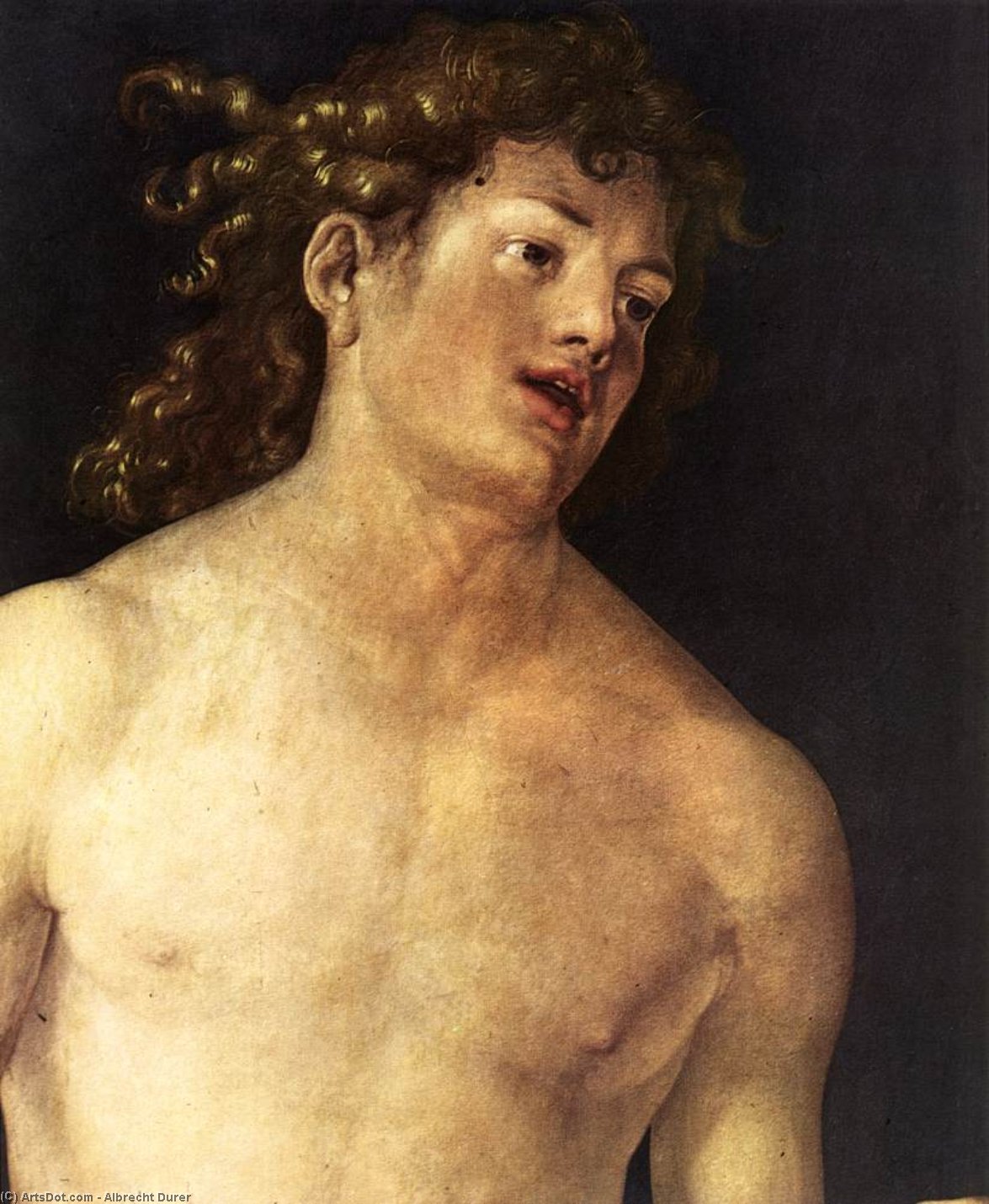
The painting “Adam,” a captivating detail from Albrecht Dürer’s monumental fresco cycle depicting the Creation of Man, transcends mere visual representation; it embodies the very essence of Renaissance humanism and theological contemplation. Completed in 1507 during Dürer's prolific artistic peak, this artwork stands as a testament to his unparalleled mastery of engraving and painting techniques—a fusion that cemented his legacy as one of the greatest artists of all time.
- Subject Matter: The composition focuses on Adam’s upper torso, capturing him in an arresting pose as he gazes upwards towards God. This gesture is laden with significance, symbolizing humanity's aspiration for divine grace and understanding—a core tenet of humanist thought that championed observation and reason alongside faith.
- Style: Dürer’s style exemplifies High Renaissance idealism, prioritizing anatomical accuracy and idealized beauty. The figure possesses a serene countenance, reflecting the profound contemplation inherent in his spiritual quest. Notice the subtle musculature rendered with meticulous detail—a hallmark of Dürer's commitment to scientific observation.
Technique: A Symphony of Printmaking and Fresco Painting
Dürer’s genius lay not only in his artistic vision but also in his innovative approach to execution. Initially conceived as a monumental fresco for the St. Elizabeth Chapel in Nuremberg Cathedral, Dürer abandoned the project due to logistical challenges and opted instead for engraving—a technique he had perfected during his formative years. This decision allowed him to reproduce the image with astonishing precision on copper plates, utilizing aquatint and etching to achieve nuanced tonal gradations and intricate linework. The resulting print is remarkably faithful to the fresco, demonstrating Dürer’s mastery of transferring artistic concepts across mediums.
- Material: The fresco itself was executed on lime plaster—a durable material chosen for its ability to withstand centuries of exposure. However, it was the engraving process that ensured the artwork's enduring presence and accessibility.
- Printing Process: Dürer employed a complex printing process involving multiple stages—burnishing, wiping, and ink application—to achieve exceptional tonal depth and textural richness. This meticulous attention to detail underscores his dedication to achieving artistic perfection.
Symbolism and Spiritual Resonance
Beyond its technical brilliance, “Adam” resonates deeply with theological symbolism. The upward gaze represents humanity’s yearning for divine revelation—a central theme in Christian theology. Adam's posture embodies humility before God, acknowledging human imperfection while simultaneously striving for spiritual enlightenment. Furthermore, the idealized musculature reflects the belief that physical strength and beauty are indicative of moral virtue—a concept prevalent during the Renaissance.
- Color Palette: The muted palette—primarily earthy tones—contributes to the artwork’s solemn atmosphere. This deliberate choice reinforces the spiritual seriousness of the scene, emphasizing contemplation rather than ostentation.
- Compositional Balance: Dürer skillfully employs compositional balance to convey a sense of stability and harmony. The figure dominates the frame, anchoring the viewer's gaze and directing attention towards the divine realm.
Emotional Impact: A Portrait of Human Potential
“Adam” continues to captivate audiences today because it speaks to fundamental human aspirations—the desire for understanding, beauty, and connection with something greater than oneself. Dürer’s portrayal captures a moment of profound introspection, inviting viewers to contemplate the complexities of faith and the boundless possibilities inherent in human experience. Reproductions of this masterpiece offer an opportunity to appreciate not only Dürer's artistic genius but also the enduring legacy of Renaissance humanist ideals.