Explore the art of Albrecht Dürer, a German Renaissance master! Discover iconic engravings like Melencolia I and detailed self-portraits – a pivotal figure in art history.
Explore The Metropolitan Museum of Art: 5,000 years of art from around the world! Discover masterpieces, ancient artifacts & immersive exhibitions – a global art destination awaits.
A Testament to Faith: Examining Albrecht Dürer’s Crucifixion
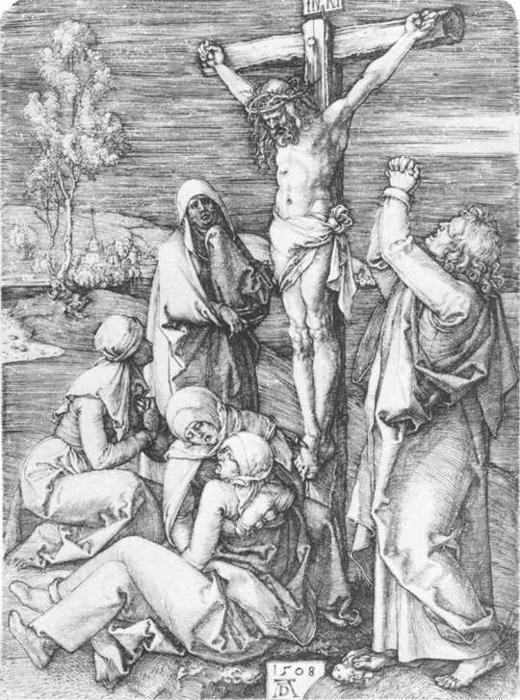
The engraving “Crucifixion,” created by Albrecht Dürer in 1508, stands as an enduring emblem of Renaissance artistic achievement and a profound meditation on Christian faith. More than just a depiction of biblical narrative, it's a masterful demonstration of meticulous observation, technical prowess, and symbolic resonance—elements that continue to captivate audiences centuries later. Produced during the height of Dürer’s prolific output, this work exemplifies his unwavering commitment to realism combined with an intellectual understanding of artistic principles.
Composition and Technique: Mastering Line
Dürer's genius resided in his unparalleled command of engraving technique—specifically hatching and cross-hatching—methods he honed during his apprenticeship under Michael Wolgemut. The artist painstakingly etched lines onto a copper plate, creating a surface riddled with minuscule indentations that would transfer ink onto paper during printing. This process demanded immense patience and precision, resulting in an image characterized by astonishing textural detail. The pyramidal composition directs the viewer’s gaze upwards towards Christ's crucified body, anchoring the scene while simultaneously conveying a sense of solemn grandeur. Diagonal lines emanating from figures contribute to dynamism, mirroring the emotional turmoil surrounding the event. Notice how Dürer utilizes hatching—parallel lines closely spaced—to sculpt shadows and delineate forms with remarkable accuracy; cross-hatching builds upon this foundation, deepening tonal values and enhancing the illusion of volume.
Historical Context: Renaissance Piety and Artistic Innovation
“Crucifixion” emerged from a period marked by fervent religious devotion within Europe’s burgeoning Renaissance. The Catholic Church exerted considerable influence on artistic endeavors, commissioning works intended to inspire piety and communicate theological truths. However, Dürer wasn't merely fulfilling a commission; he was pushing the boundaries of artistic innovation. He consciously sought to elevate engraving beyond its reputation for mere illustration, demonstrating its capacity for conveying complex emotions and achieving unparalleled visual realism—a departure from earlier woodcuts that prioritized decorative elements over anatomical accuracy. The artwork reflects the humanist ideals prevalent at the time, emphasizing human dignity and striving for intellectual understanding alongside spiritual contemplation.
Symbolism: Sacrifice and Redemption
The Crucifixion itself carries immense symbolic weight within Christian iconography. Christ’s posture—elongated and vulnerable—represents sacrifice and acceptance of divine suffering. Surrounding figures express grief and sorrow, embodying the universal human experience of loss and mourning. The landscape backdrop—a stylized depiction of Jerusalem—adds a sense of timelessness and reinforces the biblical narrative's significance. Dürer skillfully employs visual cues to communicate these ideas, inviting viewers to engage in contemplation about faith, morality, and the promise of salvation.
Emotional Impact: A Moment Frozen in Time
“Crucifixion” transcends its formal qualities to evoke a powerful emotional response. The stark grayscale palette amplifies the scene’s solemnity, mirroring the gravity of the depicted event. Dürer's meticulous rendering of anatomical detail—particularly Christ’s musculature and drapery—creates an unsettling realism that compels viewers to confront the physicality of suffering. Yet, amidst this depiction of pain, there is also a palpable sense of reverence and compassion. The engraving serves as a poignant reminder of humanity’s capacity for empathy and its enduring quest for spiritual meaning—a legacy that continues to resonate with audiences today.