A Descent into the Divine Abyss
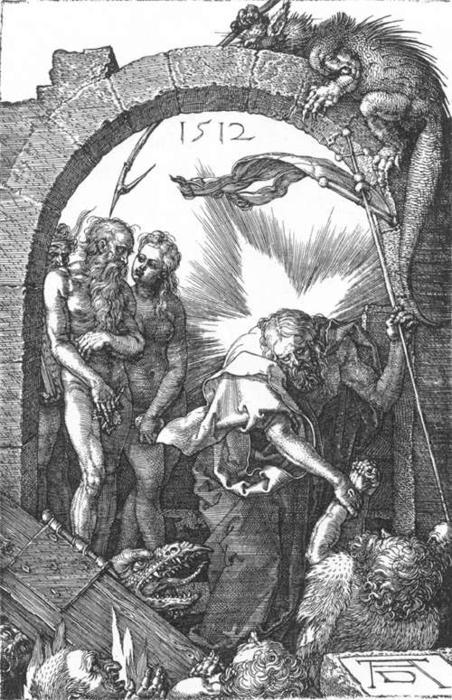
In the quiet, shadowed corridors of art history, few works command the visceral intensity of Albrecht Dürer’s Harrowing of Hell, also known as Christ in Limbo. Created between 1510 and 1512, this masterful engraving serves as a profound window into the Northern Renaissance soul, capturing the moment of ultimate spiritual liberation. As Christ descends into the depths of Hades to reclaim the souls of the righteous, Dürer invites us to witness a cosmic struggle between light and darkness. The composition is anchored by a monumental archway that acts as a threshold between realms, separating the celestial promise from the chaotic, subterranean despair of the underworld. It is not merely a religious illustration; it is an immersive psychological journey through the very gates of mortality.
The emotional weight of the piece is carried by its intricate, swirling narrative. Within the depths of Limbo, figures emerge from the gloom—Adam and Eve, Moses, and perhaps even St. John the Baptist—their faces etched with a mixture of longing, terror, and burgeoning hope. Dürer masterfully uses the tension of these characters to evoke a sense of universal human suffering. The presence of demonic entities and the looming shadow of Cerberus add a layer of palpable dread, yet this darkness is perpetually pierced by the serene, resolute presence of Christ. For the collector or designer, this work offers a profound focal point that speaks to themes of resilience, redemption, and the triumph of spirit over chaos.
The Mastery of Line and Light
Technically, this engraving represents the zenith of Dürer’s innovation in printmaking. Eschewing the use of color, the artist relies entirely on a sophisticated monochromatic vocabulary to build a world of immense depth and texture. Through the meticulous application of hatching and cross-hatching, Dür and his contemporaries achieved tonal gradations that mimic the soft glow of divine light and the impenetrable density of shadow. Every line serves a purpose: fine, delicate strokes define the ethereal grace of Christ’s movement, while dense, aggressive clusters of ink create the rugged, claustrophobic textures of the rocky abyss and the tormented flesh of the damned.
This interplay of light and shadow—the chiaroscuro effect achieved through pure linework—creates a dramatic, theatrical atmosphere that is as much about movement as it is about stillness. The use of linear perspective draws the eye inward, pulling the viewer through the architectural gateway and into the heart of the struggle. For those looking to adorn a space with art that possesses true intellectual and visual gravity, a high-quality reproduction of this engraving provides an unparalleled opportunity. It brings the disciplined precision of the German Renaissance into a modern interior, offering a sophisticated texture that complements both classical and contemporary settings, serving as a constant meditation on the enduring power of light to conquer the dark.