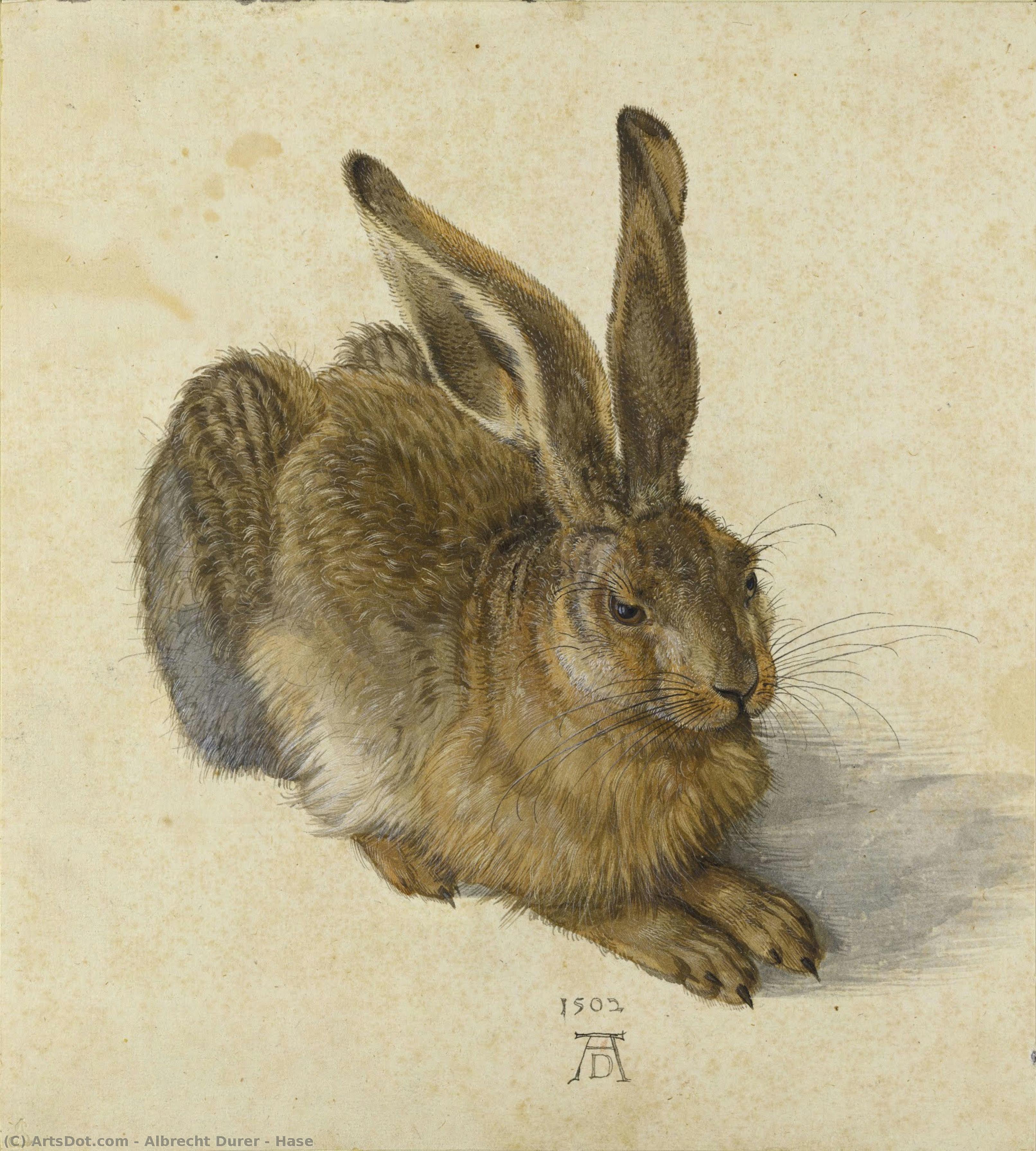
Explore Albrecht Dürer's iconic 'Hase' (Rabbit), a masterpiece of German Renaissance art created in 1502. Admire its detailed depiction and discover the Albertina Museum’s captivating collection.
Explore the art of Albrecht Dürer, a German Renaissance master! Discover iconic engravings like Melencolia I and detailed self-portraits – a pivotal figure in art history.
Explore art history's treasures at the Albertina Museum in Vienna! Discover stunning prints, drawings & masterpieces spanning centuries within its unique architectural spaces.
A Rabbit's Quiet Observation: Albrecht Dürer’s ‘Hase’
The Albertina Museum in Vienna houses one of the most deceptively simple yet profoundly resonant artworks of the Renaissance – Albrecht Dürer’s “Hase” (Rabbit), completed in 1502. At first glance, it appears to be merely a meticulously rendered depiction of a hare perched upon the earth. Yet, beneath this tranquil surface lies a wealth of artistic innovation and symbolic significance that continues to captivate viewers centuries later. This isn't just a drawing; it’s a testament to Dürer’s mastery of engraving technique and a window into the intellectual currents shaping European art at the time.
The Technique: A Masterclass in Engraving
Dürer employed a revolutionary method for his “Hase,” utilizing drypoint etching – a technique he pioneered himself. Unlike mezzotint, which relies on tonal shading achieved through burnishing, drypoint involves scratching lines directly into a copper plate using a needle dipped in ink. This process creates incredibly fine, sharply defined lines that retain their darkness even after the plate is wiped clean. The resulting image possesses an unparalleled level of detail and luminosity, capturing the subtle textures of fur and earth with astonishing accuracy. Dürer’s meticulous attention to craftsmanship speaks volumes about his dedication to pushing the boundaries of artistic expression. He painstakingly prepared the plate surface, ensuring optimal ink transfer and achieving a breathtakingly realistic portrayal of the subject matter.
Historical Context: Humanism and Symbolism in Munich
“Hase” emerged during a period marked by burgeoning humanist thought – an intellectual movement that championed reason and observation alongside classical learning. Artists like Dürer were increasingly influenced by scientific discoveries, particularly Vesalius’s anatomical studies, which challenged medieval dogma about the human body. However, “Hase” transcends mere academic interest; it embodies complex symbolic representations prevalent in Renaissance art. Rabbits, traditionally associated with fertility and springtime renewal, served as a poignant reminder of the cyclical nature of life and death – themes central to humanist philosophy. Furthermore, Dürer’s inclusion of a meticulously rendered skull alongside the rabbit subtly underscores the inevitability of mortality, juxtaposing beauty and decay within a single frame. This juxtaposition is characteristic of Renaissance art's exploration of human experience in its entirety.
Emotional Resonance: Tranquility Amidst Complexity
Despite its intellectual depth, “Hase” exudes an undeniable sense of serenity. The rabbit’s gaze – seemingly directed upwards – invites contemplation rather than immediate judgment. Its posture conveys stillness and quiet observation, mirroring the humanist ideal of inner peace achieved through reasoned reflection. Dürer's masterful rendering captures not just the physical appearance of the animal but also its psychological essence—a feat accomplished with remarkable subtlety. The artwork’s enduring appeal lies in its ability to evoke feelings of calm contemplation and appreciation for the beauty of the natural world, reminding us that profound insights can be gleaned from seemingly simple forms.
A Legacy Enduring Through Reproduction
Today, high-quality reproductions of “Hase” adorn galleries and homes worldwide, allowing audiences everywhere to experience Dürer’s artistic genius firsthand. Whether viewed as a celebration of springtime or a meditation on mortality, this iconic image continues to inspire artists and collectors alike—a testament to the enduring power of art to communicate complex ideas with breathtaking elegance and precision.