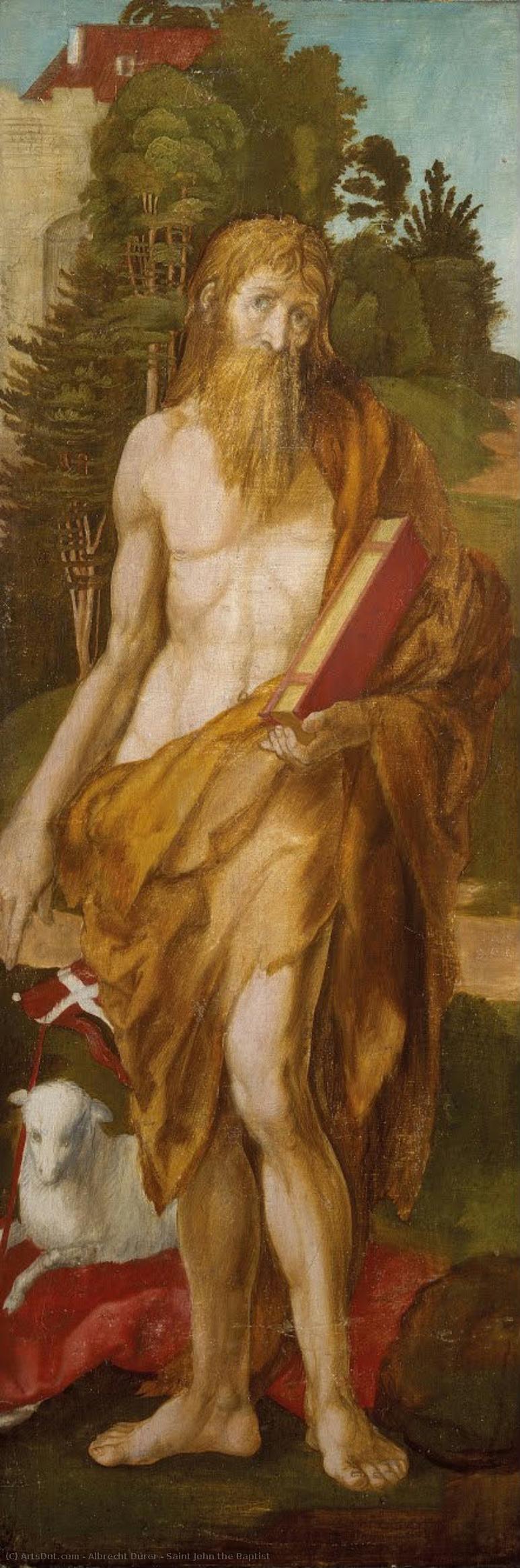
Admire Albrecht Dürer's masterpiece – Saint John the Baptist – meticulously crafted as part of a small altarpiece, reflecting the spiritual reverence for hermits during the Renaissance. Explore its symbolism and artistic brilliance.
Explore the art of Albrecht Dürer, a German Renaissance master! Discover iconic engravings like Melencolia I and detailed self-portraits – a pivotal figure in art history.
Explore Kunsthalle Bremen: Discover European masterpieces from Dürer to Monet! Immerse yourself in art history and modern media installations at Germany's oldest society-owned museum.
A Testament to Faith and Hermitage: Exploring Albrecht Dürer’s Saint John the Baptist
The rediscovery of two panels by Albrecht Dürer—Saint John the Baptist and Saint Onuphrius—represents more than just a fortunate reunion; it offers a profound glimpse into the artistic sensibilities and spiritual preoccupations of Renaissance Germany. These unassuming works, initially destined for a small altarpiece depicting Christ as Savior of Mankind (now housed at The Metropolitan Museum of Art), stand as emblems of humanist ideals intertwined with monastic contemplation. Their journey through wartime obscurity underscores not only their artistic merit but also the enduring fascination with asceticism and divine communion that characterized the era.
Dürer’s meticulous attention to detail—a hallmark of his oeuvre—is immediately apparent in Saint John the Baptist. Executed around 1505, this portrait captures a moment of serene contemplation amidst the rugged beauty of the Thebaid Desert. The artist skillfully employs oil paint on panel, layering translucent glazes to achieve an astonishing level of luminosity and capturing subtle nuances of skin tone and drapery folds. Unlike many portraits of his time, Dürer eschews ostentation, presenting John as a solitary figure—a deliberate choice reflecting the spiritual ethos of hermits who sought refuge from worldly distractions in pursuit of divine grace. The pose itself is deliberately understated, conveying humility and reverence.
The inclusion of animals – a sheep and two dogs – serves as more than mere decorative elements; they carry symbolic weight. Sheep traditionally represent innocence and piety, mirroring John’s own devotion to God. The dogs, often interpreted as guardians of the soul, symbolize vigilance against temptation and faithfulness in upholding moral virtue. These carefully considered additions elevate the painting beyond a simple depiction of a biblical figure, transforming it into a meditation on spiritual values.
Saint Onuphrius, similarly rendered in oil paint on panel around 1500, embodies the ascetic ideal championed by monastic orders during the period. His depiction—a man alone amidst sparse vegetation—emphasizes the profound simplicity demanded by Christian piety. The angel delivering him weekly communion is a poignant reminder of the spiritual sustenance provided by divine grace and underscores the importance of maintaining a connection with God through prayer and contemplation. Like Saint John, Onuphrius’s posture exudes quiet dignity and unwavering faith.
The stylistic influence of Venetian Renaissance painting—particularly Leonardo da Vinci's sfumato technique—is discernible in both panels. Dürer skillfully employs subtle gradations of tone to soften contours and create an ethereal atmosphere, mirroring the luminous quality favored by Venetian artists. This masterful manipulation of light contributes significantly to the emotional impact of the paintings, conveying a sense of tranquility and spiritual depth that transcends mere visual representation.
Ultimately, Dürer’s Saint John the Baptist and Saint Onuphrius stand as enduring monuments to Renaissance humanism—a celebration of intellect alongside piety—and a testament to the transformative power of artistic contemplation. Their return from wartime exile serves not only as an aesthetic triumph but also as a reminder that beauty can emerge even amidst hardship, enriching our understanding of art history and inspiring us to embrace values rooted in faith and humility.