Explore the art of Albrecht Dürer, a German Renaissance master! Discover iconic engravings like Melencolia I and detailed self-portraits – a pivotal figure in art history.
Explore European art from the 13th-19th centuries at London's National Gallery! Discover masterpieces by Van Gogh, Rembrandt & more – free entry!
A Portrait of Faith Amidst Solitude: Exploring Albrecht Dürer’s St Jerome in the Wilderness
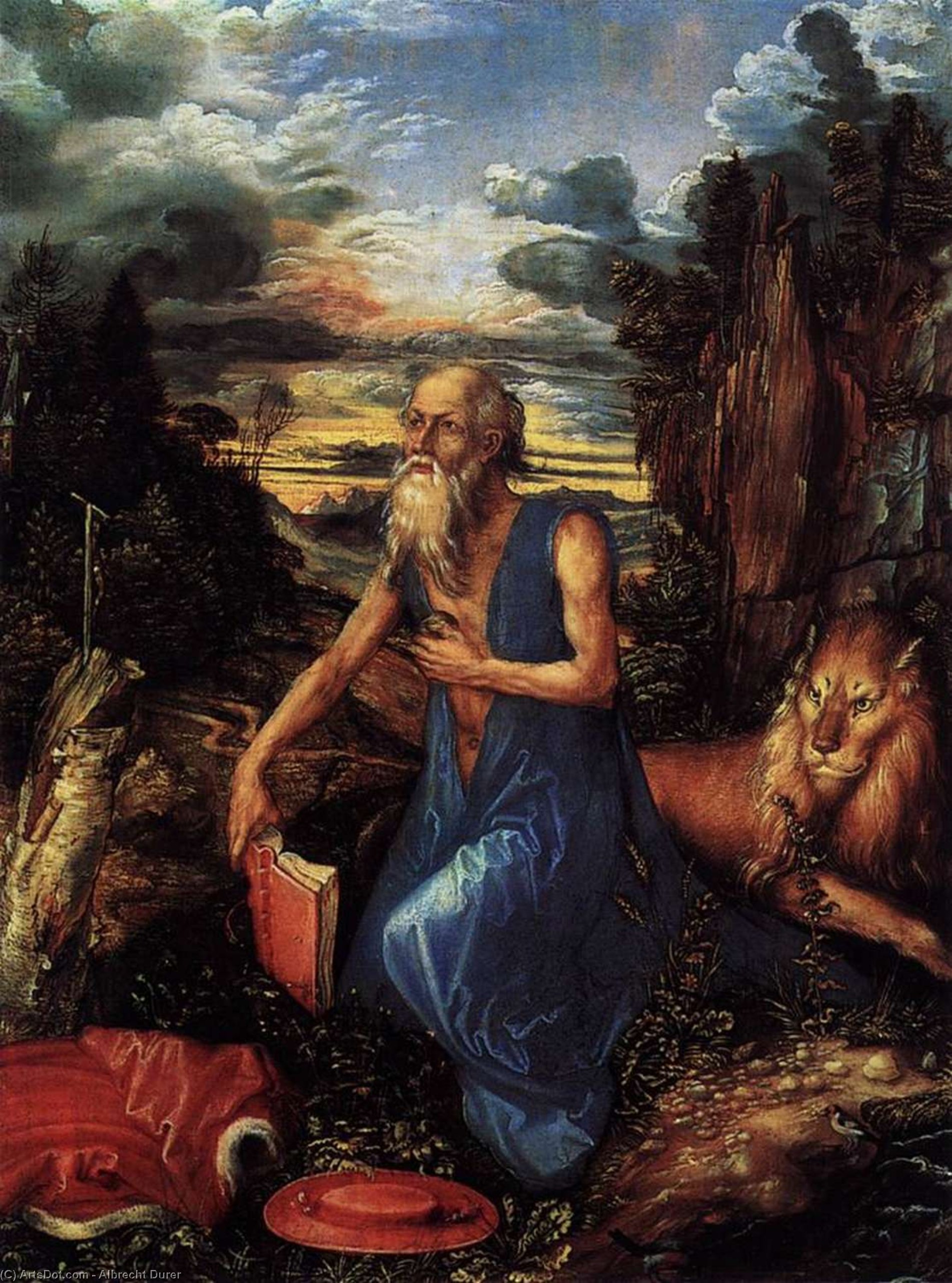
The painting “St Jerome in the Wilderness,” executed by Albrecht Dürer in 1495, transcends mere depiction; it embodies a profound meditation on spirituality and artistic mastery. Created during the apex of the German Renaissance, this iconic portrait captures not just an individual figure but also a timeless representation of ascetic contemplation—a theme deeply resonant with humanist ideals prevalent at the time. More than simply observing Saint Jerome’s likeness, Dürer invites us into his inner world, meticulously rendered with unparalleled precision and imbued with symbolic significance.
The Artist's Vision: Technique and Style
Dürer’s genius lies in his masterful command of engraving—a technique he pioneered during this period—resulting in a stunningly detailed woodcut print that retains the vibrancy of oil paint. Unlike many contemporary artists who favored fresco or tempera, Dürer opted for the etching process, allowing him to achieve astonishing tonal gradations and capturing subtle nuances of light and shadow with remarkable accuracy. This meticulous attention to detail isn’t merely stylistic; it reflects a humanist conviction that art should strive for realism—a belief championed by thinkers like Erasmus and Pico della Mirandola—demonstrating Dürer's commitment to portraying the human form with anatomical correctness. The composition itself is carefully balanced, utilizing geometric principles to create a harmonious visual experience.
Historical Context: Saint Jerome’s Legacy
Saint Jerome, revered as the patron saint of scholars and translators, represents unwavering devotion and intellectual pursuit. His story recounts his arduous pilgrimage to Jerusalem in search of relics—a journey undertaken with ascetic discipline and spiritual fervor. Dürer's depiction aligns perfectly with the broader cultural landscape of the fifteenth century, where religious iconography served as a powerful vehicle for conveying moral virtue and reinforcing Christian beliefs. The image speaks to the anxieties surrounding mortality and the importance of cultivating inner piety – concerns that were central to the intellectual debates shaping European thought during this era.
Symbolism: Lions and Inner Reflection
The inclusion of two lions flanking St Jerome is laden with symbolic meaning. Traditionally, lions symbolize strength, courage, and vigilance—qualities deemed essential for spiritual fortitude. Their presence underscores Jerome’s unwavering resolve in confronting temptation and maintaining his ascetic lifestyle. Furthermore, the book held by Jerome represents divine wisdom and scripture – the tools through which he seeks communion with God. The desolate landscape surrounding him symbolizes solitude and introspection, highlighting the transformative power of contemplative prayer. It's a deliberate choice to portray Jerome not as a triumphant hero but as a man wrestling with his faith—a portrayal that resonates powerfully across centuries.
Emotional Impact: A Window into the Soul
“St Jerome in the Wilderness” transcends its formal execution to evoke a palpable sense of solemn contemplation. Dürer’s gaze captures an expression of profound seriousness, conveying both vulnerability and unwavering conviction. The artist skillfully utilizes chiaroscuro—the dramatic interplay of light and dark—to sculpt Jerome's form and imbue the scene with emotional depth. Viewing this print today, one feels transported back to a time when art served as a conduit for spiritual contemplation – reminding us that true beauty resides not only in visual splendor but also in the exploration of human experience and inner truth. It remains an enduring testament to Dürer’s artistic vision and his profound understanding of the human condition.