The Revelation of St John: A Window into Durer’s Vision
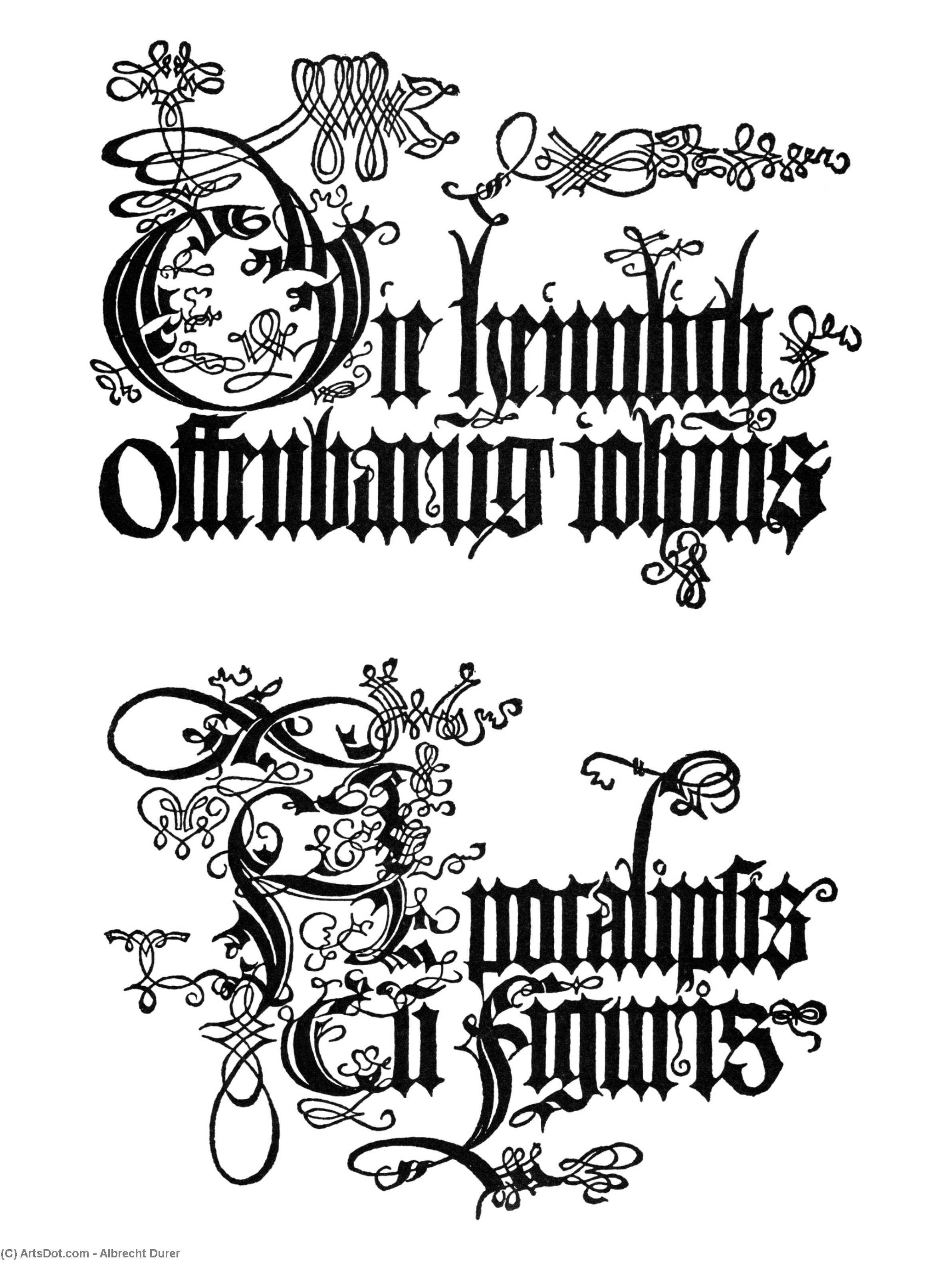
Albrecht Dürer's “The Revelation of St John,” specifically the title page from the 1498 edition, isn’t merely a depiction of biblical prophecy; it’s a meticulously crafted portal into the anxieties and aspirations of late medieval Europe. This woodcut, rendered in stark black ink against pristine white paper, pulsates with an almost unsettling energy—a testament to Dürer's mastery of printmaking and his profound engagement with the spiritual currents of his time. The image immediately commands attention, not through overt grandeur, but through a carefully orchestrated balance of intricate detail and symbolic weight. It’s a scene brimming with apocalyptic imagery, yet rendered with an unnerving sense of realism that forces the viewer to confront the potential for both destruction and divine judgment.
Dürer's technical prowess is immediately evident in the incredibly detailed rendering of each element. The Gothic lettering, a towering testament to the era’s artistic sensibilities, dominates the composition, its sharp angles and elaborate flourishes creating a sense of imposing authority. Beneath this textual framework unfolds a complex tapestry of figures—angels bearing trumpets, demons wreaking havoc, and Christ himself presiding over the final reckoning. The woodcut technique itself is crucial to understanding the work's impact; the meticulous carving process, followed by careful inking and printing, produced an astonishing level of tonal variation – subtle gradations of darkness and light that imbue the scene with a remarkable sense of depth and texture. The artist’s control over the grain of the wood is particularly striking, contributing to the image's palpable physicality.
A Chronicle of Fears and Faith
“The Revelation of St John” emerged during a period of intense religious and political upheaval in Europe. The shadow of the Ottoman Empire loomed large, fueling fears of invasion and societal collapse. Simultaneously, the authority of the Catholic Church was increasingly questioned, leading to widespread anxieties about heresy and divine retribution. Dürer’s woodcut reflects this climate of uncertainty, translating these anxieties into a visual narrative that speaks directly to the concerns of his audience. The imagery—particularly the four horsemen of the apocalypse – resonated deeply with contemporary viewers who interpreted them as harbingers of impending doom. However, within this depiction of destruction, there's also an underlying sense of hope: Christ’s presence at the center of the scene offers a promise of salvation and renewal.
The choice to depict the title page itself is significant. It wasn’t simply a preliminary image; it was intended as a powerful introduction to the larger work, establishing its themes and inviting contemplation. The meticulous detail evident in this single sheet foreshadows the grandeur and complexity of the entire “Revelation.” Furthermore, Dürer's decision to include specific details—the instruments of torture used by the Beast, for example—demonstrates his awareness of contemporary events and his desire to engage directly with the anxieties of his time. The image is a carefully constructed dialogue between religious prophecy, political instability, and artistic expression.
Decoding the Symbols: A Journey into Allegory
Beyond its immediate depiction of apocalyptic imagery, “The Revelation of St John” is rich in symbolic meaning. Each figure, each object, carries layers of interpretation—drawing upon both biblical texts and contemporary allegorical traditions. The four horsemen, representing famine, war, pestilence, and death, are instantly recognizable symbols of destruction. However, Dürer’s rendering goes beyond a simple representation of these concepts; he imbues them with a sense of dynamism and menace, capturing the terrifying reality of their potential impact. The inclusion of specific animals—an elk symbolizing strength, a hare representing fertility, and a cat signifying cunning—further enriches the symbolic landscape.
The central figure of Christ is presented not as a distant deity but as an active participant in the unfolding drama, wielding authority and offering salvation. Even seemingly minor details, such as the instruments of torture used by the Beast, contribute to the overall narrative, reinforcing the image’s message about the consequences of sin and the importance of faith. Dürer's mastery lies not only in his technical skill but also in his ability to weave together complex symbolic systems into a cohesive and compelling visual narrative.
A Timeless Masterpiece: Reproduction and Inspiration
“The Revelation of St John” remains a profoundly moving work of art, offering a glimpse into the anxieties and aspirations of a pivotal moment in European history. Reproductions of this iconic image continue to captivate audiences today, serving as a reminder of the power of art to illuminate complex themes and evoke powerful emotions. When selecting a reproduction, consider the quality of the print—seek out versions that accurately capture Dürer’s meticulous detail and tonal range. This masterpiece is not merely a decorative element; it's an invitation to engage with profound questions about faith, mortality, and the human condition – a timeless testament to the enduring legacy of Albrecht Dürer.