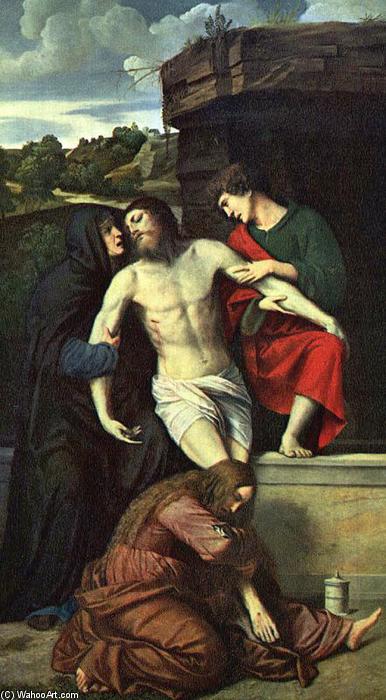
The Pietà: A Silent Echo of Sorrow
Michelangelo’s Pietà, residing within the heart of Saint Peter's Basilica in Vatican City, is not merely a sculpture; it’s an experience—a profound meditation on grief, loss, and the enduring power of maternal love. Completed around 1498-1499 during the nascent stages of the High Renaissance, this marble masterpiece transcends its material form to become a timeless symbol of human suffering and divine compassion. The sculpture captures a pivotal moment in Christian theology: the Virgin Mary cradling the lifeless body of Jesus Christ after his crucifixion, an image that has resonated deeply across centuries and cultures.
The sheer scale of the work is immediately arresting – measuring 177 cm (5 ft 9+1⁄2 in) high and 73.6 cm (28+3⁄4 in) wide. Michelangelo’s masterful manipulation of marble creates an astonishingly lifelike quality, imbuing the figures with a palpable sense of weight and vulnerability. The smooth, polished surfaces contrast dramatically with the rough texture of the stone, highlighting the delicate beauty of Mary's face against the stark reality of her son’s demise. The composition itself is carefully orchestrated – a pyramidal structure that draws the eye upwards to Mary’s serene countenance, anchoring the scene in stability amidst profound sorrow.
A Departure from Tradition: Youthful Beauty and Emotional Depth
What distinguishes Michelangelo's Pietà from earlier depictions of the subject is its radical departure from established artistic conventions. Unlike many preceding Pietà sculptures, which typically portrayed Mary as an older woman burdened by grief, Michelangelo presents her as remarkably youthful – almost ethereal in her beauty and composure. This deliberate choice was not arbitrary; it reflects a deeper theological interpretation rooted in Dante Alighieri’s Divine Comedy, where the Virgin is described as “the source of all beauty.” Michelangelo sought to capture the essence of Mary's purity and divine grace, suggesting an unbroken connection between her and God.
Furthermore, Michelangelo eschews overt displays of anguish or dramatic gestures. Instead, Mary’s expression is one of quiet contemplation—a profound sadness tempered by acceptance and a deep-seated love for her son. Her hands are gently cradling his body, conveying both tenderness and the weight of responsibility. The positioning of Christ's limp form, draped in flowing robes, further emphasizes his vulnerability and the finality of death. The subtle details – the delicate folds of the drapery, the realistic rendering of the wounds on Christ’s body – contribute to an overwhelming sense of realism and emotional intensity.
Symbolism and Spiritual Resonance
Beyond its technical brilliance, the Pietà is rich in symbolic meaning. The image speaks powerfully to themes of sacrifice, redemption, and the enduring bond between mother and son. The act of holding Christ’s body represents Mary's acceptance of her role as the Mother of God and her unwavering faith in his resurrection. The coins held by Mary’s left hand are often interpreted as a symbol of mourning—a gesture of offering and remembrance.
The sculpture’s placement within Saint Peter’s Basilica, one of the holiest sites in Christendom, further amplifies its spiritual significance. It serves as a constant reminder of Christ's sacrifice and Mary’s unwavering devotion, inviting viewers to contemplate their own faith and mortality. The Pietà is not simply a representation of a biblical scene; it’s an invitation to engage with profound questions about life, death, and the nature of love.
A Legacy of Beauty and Inspiration
Michelangelo's Pietà remains one of the most celebrated sculptures in Western art history. Its enduring appeal lies not only in its technical mastery but also in its ability to evoke a powerful emotional response. The sculpture’s influence can be seen in countless works of art throughout the centuries, and it continues to inspire artists, designers, and viewers alike. Whether viewed in person or through reproductions, the Pietà offers a timeless testament to the beauty of human compassion and the enduring power of faith.