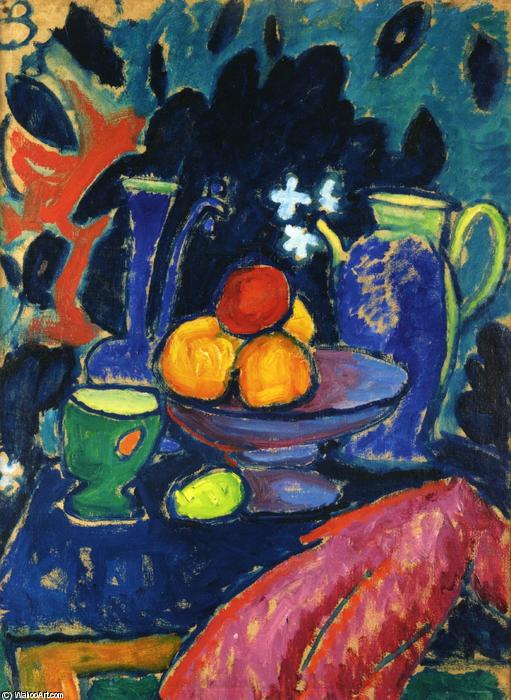
A Symphony in Ochre and Shadow: Exploring Elias Vedder’s “The Gardener”
Elias Vedder’s “The Gardener,” completed in 1948, stands as an arresting testament to the burgeoning Expressionist movement's preoccupation with capturing raw emotion and confronting existential anxieties. Painted during a period of profound artistic upheaval—following the devastation of World War II and amidst the growing disillusionment with societal ideals—the canvas embodies a palpable sense of melancholy interwoven with quiet contemplation.
Subject Matter & Composition: The painting depicts a solitary gardener tending to a patch of overgrown flowers. This seemingly simple scene is imbued with symbolic significance, representing not merely horticultural labor but also the arduous process of nurturing resilience and beauty amidst adversity. Vedder’s masterful use of composition draws the viewer's eye inward, emphasizing the gardener’s isolation yet simultaneously conveying a feeling of connection to the natural world.
Style & Technique: Vedder employed a distinctive Expressionist style characterized by bold brushstrokes and flattened planes—a deliberate rejection of Impressionistic realism. Thick impasto creates textural richness, capturing the physicality of the gardener’s movements and mirroring the ruggedness of the surrounding landscape. The muted palette—dominated by earthy ochres, browns, and greens—further amplifies the painting's emotional impact, fostering a mood of subdued solemnity.
Historical Context: “The Gardener” emerged from the crucible of postwar Europe, where artists grappled with trauma and questioned established beliefs. Vedder’s work aligns closely with the broader Expressionist ethos—a desire to express inner turmoil and convey subjective experience rather than objective observation. It reflects a yearning for solace in nature as a counterpoint to the horrors witnessed during the war years.
Symbolism & Emotional Resonance: The overgrown flowers symbolize decay yet also hold the promise of regeneration, mirroring the human condition itself. The gardener’s posture—bent but resolute—represents perseverance and acceptance of life's inevitable hardships. Vedder skillfully evokes a profound sense of empathy within the viewer, prompting reflection on themes of solitude, vulnerability, and the enduring beauty found in quiet contemplation.
Exploring Texture & Color: Vedder’s Innovative Approach
Vedder’s technique pushed boundaries within Expressionism, prioritizing emotional impact over meticulous detail. He achieved remarkable depth and luminosity through layering multiple coats of paint—a process known as glazing—allowing for subtle tonal variations that heighten the painting's expressive qualities.
The artist’s deliberate use of color is equally noteworthy. Rather than striving for accurate representation, Vedder employed hues to convey mood and emotion. The dominant ochre tones evoke feelings of warmth and stability, juxtaposed against darker greens and browns that underscore the gardener’s isolation and the encroaching influence of time.
A Reflection on Resilience & Beauty Amidst Decay
"The Gardener" transcends mere depiction; it communicates a profound philosophical statement about confronting life's challenges with grace and accepting the inevitability of change. Vedder’s masterful execution captures not only the visual splendor of the landscape but also its underlying psychological resonance.
Vedder's Legacy: Shaping Expressionist Vision
Elias Vedder’s “The Gardener” remains a cornerstone of Expressionist art, demonstrating the movement’s commitment to conveying inner experience and confronting existential dilemmas. Its enduring appeal lies in its ability to inspire contemplation on themes of solitude, resilience, and the transformative power of nature—a timeless message conveyed with breathtaking artistic skill.