Alexej von Jawlensky’s “Variation”: A Symphony of Color and Emotion
Alexej von Jawlensky (1864–1941), a titan of Expressionism, crafted “Variation” in 1916—a pivotal moment in artistic history. This painting isn't merely pigment on canvas; it’s an embodiment of the artist’s profound engagement with spirituality and his unwavering commitment to conveying raw emotion through visual language.
The Visual Landscape: Bold Color Palette and Dynamic Composition
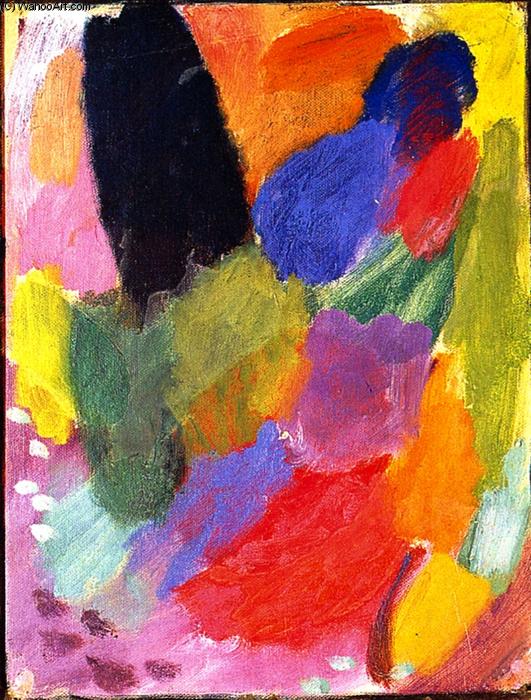
“Variation” immediately captivates the viewer with its audacious color scheme. Dominating hues of crimson, ochre, and sapphire intertwine, punctuated by flashes of lemon yellow and emerald green. Jawlensky eschewed academic conventions, prioritizing expressive color over realistic representation. The composition itself is dynamic—two figures positioned on opposite sides of the canvas create a visual tension that draws the eye across the expanse of pigment.
Technique: Impasto and Textured Surfaces
Jawlensky’s masterful technique relies heavily on impasto – applying paint thickly onto the surface, creating palpable ridges and textures. This method wasn't simply about aesthetic effect; it served as a crucial tool for conveying emotional intensity. Each brushstroke is deliberate, imbued with energy and conviction, mirroring the artist’s inner turmoil and striving for transcendence. The textured surface invites tactile engagement, prompting contemplation of the materiality itself.
Historical Context: Expressionism's Roots in Spiritual Crisis
"Variation" emerged during a period of significant upheaval—the First World War profoundly impacted European society, fostering anxieties about mortality and questioning established beliefs. Expressionist artists like Jawlensky responded to this crisis by rejecting rational thought and embracing subjective experience. They sought to depict inner states rather than external realities, reflecting the psychological landscape of their time.
Symbolism: Hints of Mysticism and Inner Reflection
While “Variation” resists easy interpretation, subtle symbolic elements contribute to its overall impact. The figures themselves are rendered with a stylized simplicity that transcends literal depiction—they represent archetypal forms embodying spiritual yearning. The color palette – particularly the reds – evokes associations with passion, sacrifice, and divine illumination. Ultimately, Jawlensky invites viewers into an introspective journey, prompting consideration of themes like faith, doubt, and the pursuit of beauty amidst chaos.
Emotional Resonance: A Portrait of Intense Feeling
"Variation" succeeds in conveying a palpable sense of emotional depth—a feeling of restless energy coupled with serene contemplation. It’s not a painting that seeks to soothe or reassure; rather, it confronts viewers with the complexities of human experience. The artist's unwavering dedication to capturing raw emotion resonates powerfully today, demonstrating the enduring power of art to communicate profound truths about the human condition.