Alphonse Mucha: The Enchanting Symbolism of ‘Untitled (6407)’
Alphonse Maria Mucha’s “Untitled (6407)” stands as a quintessential embodiment of Art Nouveau, transporting viewers to a realm where decorative elegance intertwines with profound symbolic resonance. Created in 1900 during the zenith of Mucha's Parisian career—a period marked by collaborations with luminaries like Sarah Bernhardt and commissions from influential patrons—this painting transcends mere visual beauty; it’s an invitation into a meticulously crafted narrative steeped in mythic allusion.
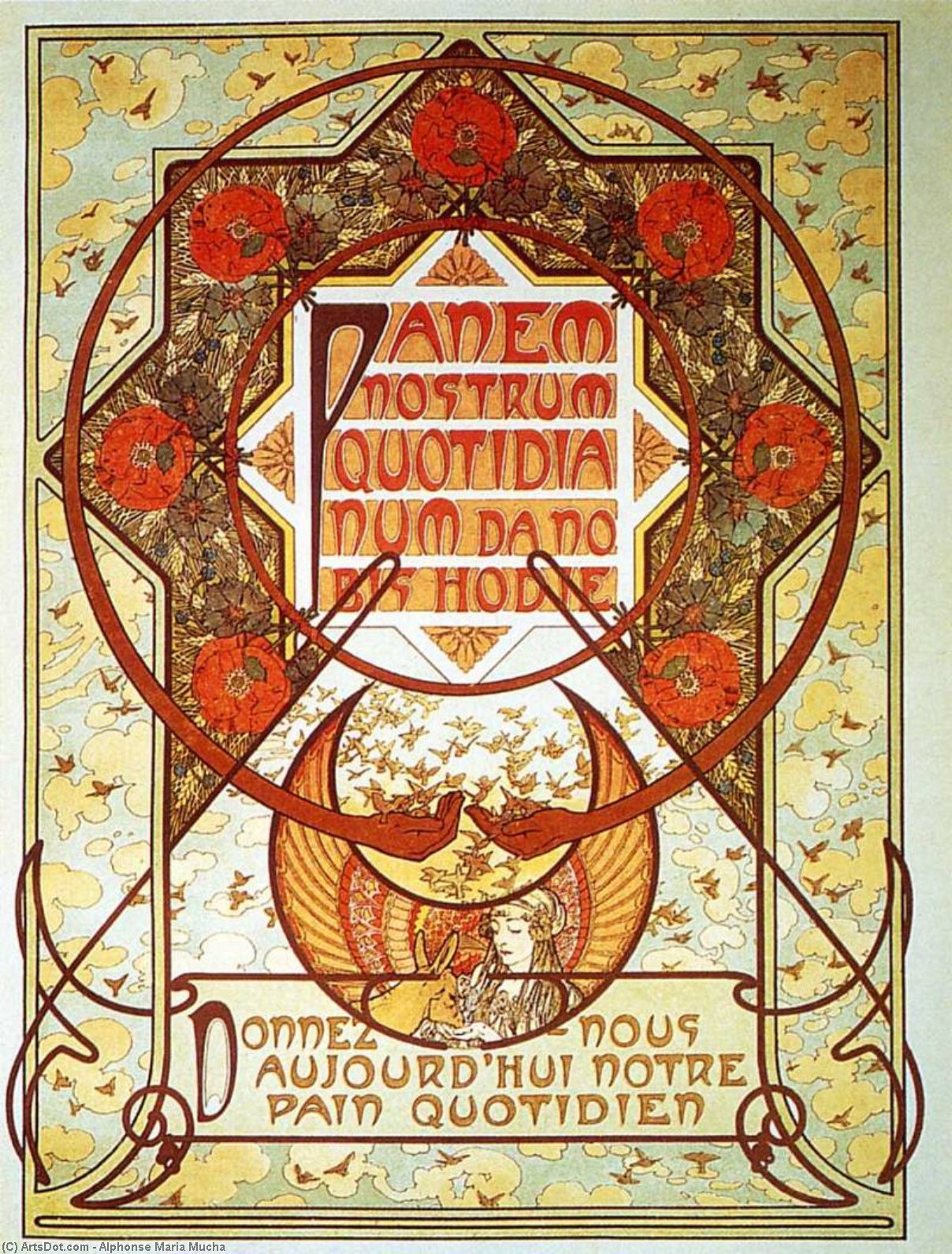
The artwork depicts a woman adorned with wings, radiating serenity amidst a stylized floral arrangement. Her gaze is upward, suggesting aspiration and spiritual contemplation, while the crown atop her head symbolizes regal authority and divine grace. The halo encircling her head reinforces this impression of holiness—a recurring motif in Mucha’s oeuvre reflecting his fascination with religious iconography.
Much’s distinctive technique—characterized by bold outlines, flowing curvilinear lines, and a masterful manipulation of color—is evident throughout the canvas. He employs meticulous hatching to render textures within the floral blossoms, creating an illusion of depth that contrasts beautifully with the smooth surfaces of the woman's robe. The palette leans towards muted pastel hues—primarily creams, golds, and pale blues—enhancing the painting’s ethereal atmosphere.
“Untitled (6407)” is inextricably linked to Mucha’s broader artistic vision, particularly his celebrated “Four Seasons” series. These monumental canvases served as a cornerstone of Art Nouveau's aesthetic principles, prioritizing decorative grandeur and conveying narratives rooted in folklore and mythology. Mucha deliberately drew inspiration from sources like Gustave Moreau—whose paintings similarly explored the intersection of art and spirituality—demonstrating a commitment to pushing artistic boundaries.
Beyond its formal qualities, “Untitled (6407)” resonates emotionally with viewers through its portrayal of feminine grace and spiritual enlightenment. The woman’s posture conveys composure and inner peace, inviting contemplation on themes of beauty, virtue, and transcendence—values that remained central to Mucha's artistic ethos throughout his prolific life.
Exploring the Artistic Style & Technique
Mucha’s Art Nouveau style is instantly recognizable by its undulating lines and organic forms. Rejecting the rigid geometric conventions of preceding movements like Impressionism, he embraced a fluid aesthetic that mirrored the natural world—a deliberate departure from academic traditions. His meticulous attention to detail—evident in the rendering of petals and feathers—underscored his belief that art should strive for perfection.
He skillfully utilized color lithography—a technique pioneered by Jules Champignon—to produce multiple prints simultaneously, maximizing efficiency while preserving artistic integrity. The vibrant hues achieved through this process complemented Mucha’s stylistic choices perfectly, amplifying the painting's visual impact and disseminating its message widely.
Historical Context & Influences
“Untitled (6407)” emerged during a period of significant cultural transformation—the Belle Époque—characterized by optimism, technological innovation, and burgeoning artistic experimentation. Mucha’s work reflected the prevailing fascination with mythology and symbolism, mirroring broader societal trends toward spiritual renewal.
His collaborations with Sarah Bernhardt—particularly the iconic posters for her productions—established him as a leading figure in theatrical advertising and solidified his reputation as an artist capable of capturing the essence of human emotion. Mucha’s influence extended beyond the stage; he shaped the visual culture of Paris, inspiring countless designers and artists.
Symbolism & Emotional Impact
The woman's wings symbolize aspiration and divine grace—reflecting Mucha’s profound belief in the transformative power of art. The floral arrangement represents fertility and renewal—affirming Art Nouveau’s celebration of nature’s beauty and vitality.
Ultimately, “Untitled (6407)” invites viewers to contemplate timeless themes of femininity, spirituality, and artistic excellence—leaving an indelible impression on anyone who appreciates the sublime artistry of Alphonse Mucha.
Additional Research Links