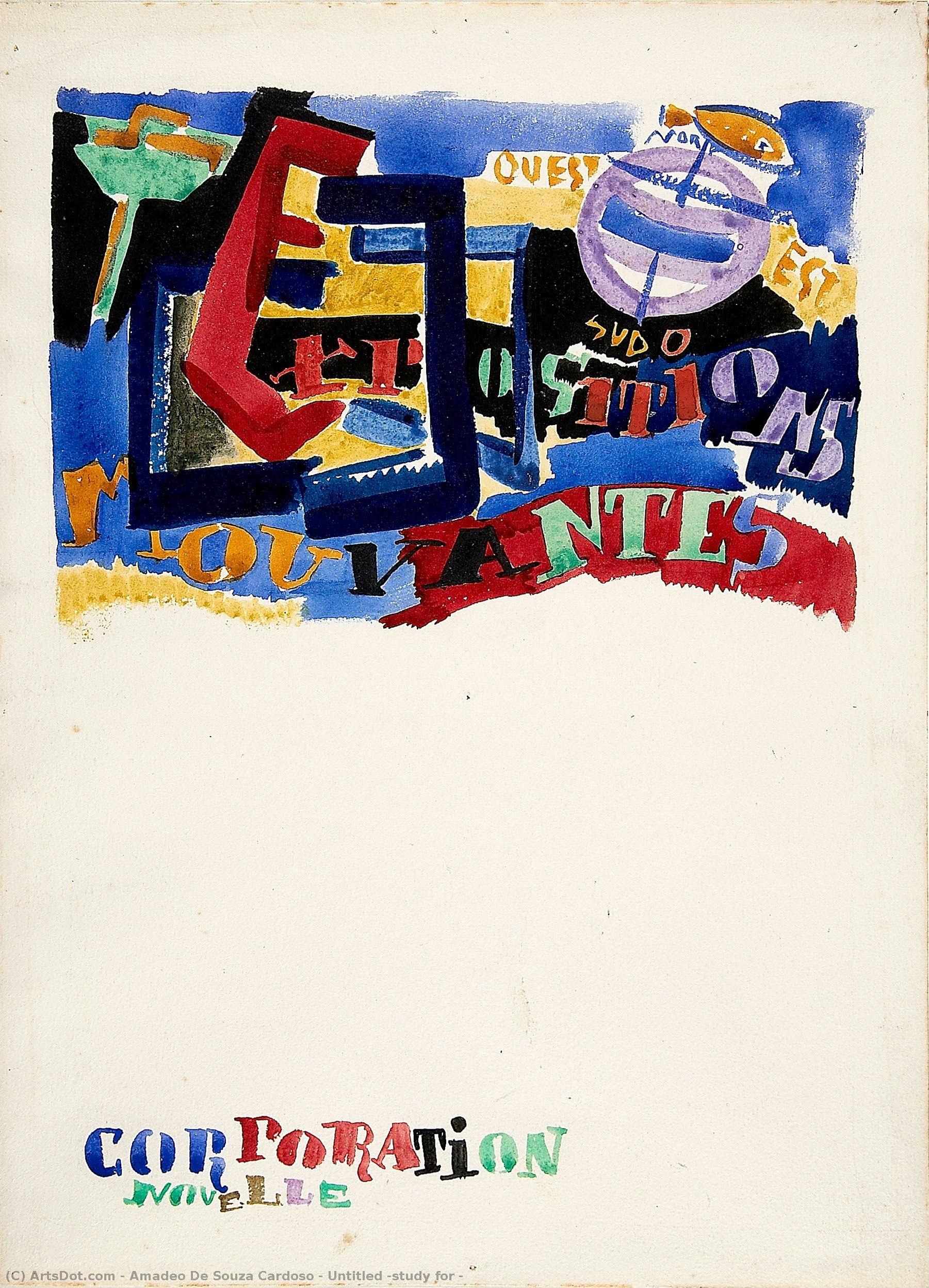
This artwork is a bold exploration of abstraction featuring geometric shapes and expressive blues and reds. Inspired by early Cubism and Expressionism, it showcases Souza-Cardoso's pioneering spirit in Portuguese art.
Discover Amadeo de Souza-Cardoso (1887-1918), a pioneering Portuguese modernist painter. Explore his vibrant, abstract compositions influenced by Cubism & Futurism and lasting artistic legacy.
Explore Portuguese modern & contemporary art at the Centro de Arte Moderna Gulbenkian! Discover masterpieces by Paula Rego, innovative architecture, and a vibrant cultural hub in Lisbon's beautiful gardens.
A Fragmented Vision of Modernity: Analyzing Amadeo de Souza-Cardoso’s “Untitled (study for )”
“Untitled (study for )”, executed in 1915 by Portuguese modernist painter Amadeo de Souza-Cardoso, stands as a testament to the burgeoning artistic fervor of its time—a pivotal moment where European avant-garde movements wrestled with capturing the dynamism and complexity of the modern experience. More than just pigment on paper, this piece embodies a profound engagement with Cubism’s revolutionary exploration of spatial perception and the expressive potential of color, establishing Souza-Cardoso as one of Portugal's foremost champions of artistic innovation amidst the broader European landscape.
Composition and Technique: Embracing Instability
The artwork’s visual impact immediately commands attention through its strikingly asymmetrical composition. Geometric shapes—primarily rectangles and squares—overlap and intersect with disconcerting abandon, creating a palpable sense of movement and disrupting any conventional notion of equilibrium. Souza-Cardoso eschews meticulous detail in favor of loose brushstrokes and broad color blocks, prioritizing expressive gesture over precise representation. This technique – characteristic of the early Cubist experimentation – reflects a desire to dismantle traditional artistic conventions and convey an emotional response to the subject matter rather than simply mirroring reality. The subtle variations in opacity within the paint layers contribute to textural interest without resorting to overtly decorative elements.
Color Palette: A Clash of Emotion
Dominating the canvas is a vibrant color palette dominated by hues of blue and red, punctuated by flashes of yellow, green, and purple. These colors aren’t blended harmoniously; instead, they are applied in bold strokes that create a jarring juxtaposition—a deliberate provocation designed to stimulate visual perception. The strategic use of warm reds against cool blues underscores the inherent tension within the composition, mirroring perhaps the anxieties and uncertainties prevalent during Souza-Cardoso's era. This chromatic dissonance speaks volumes about the artist’s intention to communicate feeling rather than simply depicting form.
Symbolism and Context: Echoes of Parisian Avant-Garde
Beyond its formal qualities, “Untitled (study for )” carries symbolic weight rooted in the intellectual currents circulating within Paris during Souza-Cardoso's formative years. Influenced by figures like Picasso and Gris, he actively participated in the dialogue between Portuguese art and the revolutionary ideas of Cubism—a movement that sought to challenge perspectival illusion and represent objects from multiple viewpoints simultaneously. The inclusion of “Corporation” – a simple inscription – adds another layer of meaning, hinting at broader concerns about social identity and artistic patronage within Portugal’s cultural milieu. It serves as a reminder that Souza-Cardoso's work wasn't merely an aesthetic exercise but also a reflection of his engagement with the pressing questions of his time.
Concluding Impression: A Legacy of Bold Experimentation
Ultimately, “Untitled (study for )” transcends its technical merits to convey a powerful emotional resonance—a feeling of restless energy and intellectual curiosity. Souza-Cardoso’s masterful manipulation of color and form encapsulates the spirit of early modernism, demonstrating an unwavering commitment to artistic innovation and establishing himself as a cornerstone of Portuguese art history. It remains a compelling visual testament to the transformative power of abstraction and the enduring fascination with capturing the complexities of human experience through unconventional stylistic choices.