Explore the captivating art of Amedeo Modigliani (1884-1920): iconic portraits & sculptures defined by elongated forms, expressive eyes, and a hauntingly beautiful style. Discover his legacy! #Modigliani #Expressionism
Explore the captivating art of Amedeo Modigliani (1884-1920): iconic portraits & sculptures defined by elongated forms, expressive eyes, and a hauntingly beautiful style. Discover his legacy! #Modigliani #Expressionism
Explore modern & contemporary art at MoMA! Discover iconic works by Van Gogh, Picasso, Warhol & more. Immerse yourself in groundbreaking exhibitions & design.
A Portrait Steeped in Melancholy: Exploring Modigliani’s “Marios Varvoglis”
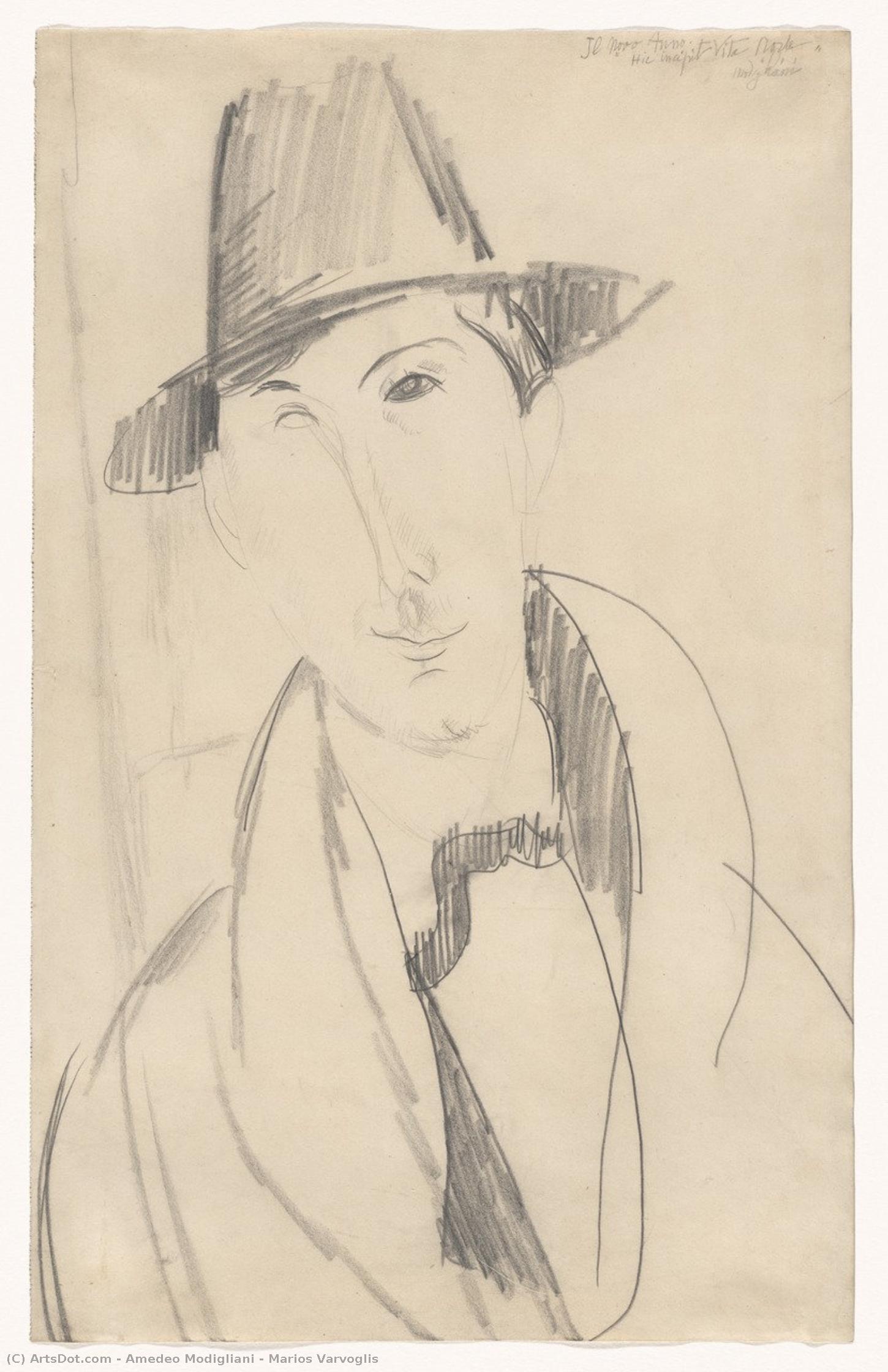
The artwork, titled "Marios Varvoglis," is a striking pencil drawing portrait that encapsulates the essence of Amedeo Clemente Modigliani's signature style – an aesthetic characterized by elongated forms and profoundly expressive eyes. Executed in 1920, this piece transcends mere representation; it delves into the psychological landscape of its subject, mirroring Modigliani’s own preoccupation with capturing inner emotion through visual form. The drawing depicts a man wearing a hat and coat, positioned centrally within a minimalist composition that prioritizes facial detail above all else.
Composition & Technique: Embracing Line Drawing's Elegance
Modigliani’s masterful technique hinges on the deliberate use of pencil on paper, employing hatching and cross-hatching to build up tonal variations and imbue the drawing with subtle depth. Lines dominate the surface, meticulously crafted to delineate contours – from the elongated oval of the face and neck to the conical shape of the hat and the draped coat—creating a harmonious balance that directs the viewer’s gaze directly to the subject's countenance. The artist eschews dramatic shading or highlights, opting instead for a diffused illumination that enhances the melancholic mood inherent in Modigliani’s oeuvre. This restrained approach underscores the importance of line quality and density in conveying emotion and form.
The Language of Long Lines: Stylistic Influences & Emotional Resonance
The elongated proportions characteristic of “Marios Varvoglis” are undeniably rooted in Modigliani's fascination with Egyptian art and African sculpture, reflecting a broader artistic impulse to simplify forms while amplifying expressive power. These stylistic choices align perfectly with the artist’s exploration of themes like loneliness and introspection—a preoccupation evident in his numerous portraits where gaze is often averted, conveying a sense of detachment and profound contemplation. The drawing's stillness speaks volumes about Modigliani’s desire to capture not just physical likeness but also the intangible essence of human experience.
Historical Context & Artistic Legacy
Born in Livorno, Italy, in 1884, Amedeo Clemente Modigliani navigated a turbulent period marked by artistic experimentation and personal hardship. Influenced by Nietzsche, Baudelaire, and Lautréamont—artists who championed subjectivity and challenged conventional aesthetic ideals—Modigliani forged his own path as an avant-garde sculptor and painter. Despite facing significant illness throughout his life, he persevered in his pursuit of artistic excellence, producing a remarkably prolific body of work that continues to captivate audiences worldwide. “Marios Varvoglis” stands as a testament to Modigliani’s enduring legacy—a poignant reminder of the transformative power of art to convey emotion and explore the complexities of human psychology.
Symbolism & Emotional Impact: Capturing Inner Depth
The portrait's gaze, directed yet distant, embodies Modigliani’s artistic preoccupation with conveying inner turmoil beneath a veneer of composure. The elongated form itself symbolizes vulnerability and longing—a visual metaphor for the artist’s own emotional state. “Marios Varvoglis” invites contemplation on themes of solitude, beauty, and melancholy, prompting viewers to consider the profound impact that art can have on our understanding of human experience. It remains a compelling example of Modigliani's ability to distill emotion into elegant lines—a timeless masterpiece destined to inspire generations of artists and collectors alike.