A Portrait of Melancholy: Modigliani's 'Portrait of Diego Rivera'
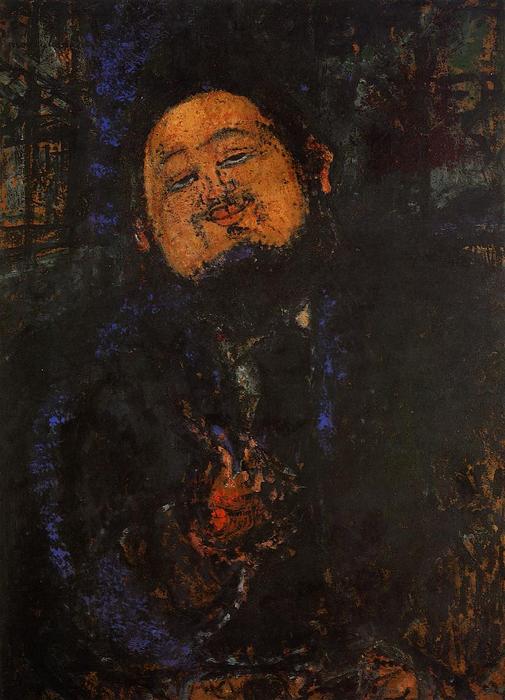
Amedeo Modigliani’s 1916 painting, ‘Portrait of Diego Rivera,’ is more than just a likeness; it’s a poignant meditation on the human condition rendered with an arresting blend of realism and profound emotional depth. This intimate depiction of the Mexican muralist, captured at a pivotal moment in his career, speaks to the artist's signature style – elongated forms, subtly distorted features, and a pervasive sense of quiet contemplation. The painting’s immediate impact lies in Rivera’s direct gaze, meeting the viewer with an expression that is both relaxed and intensely aware, hinting at the weight of artistic ambition and perhaps, a touch of underlying sadness.
The Artist's Hand: Technique and Style
- Oil on Canvas: Executed in oil paint on canvas, the portrait demonstrates Modigliani’s masterful control over texture and tone. Notice the smooth gradations of color used to define Rivera’s face, particularly around the eyes and mouth, creating a luminous effect that draws the viewer's attention.
- Elongated Forms: Characteristic of Modigliani’s oeuvre, the subject’s head is subtly elongated, contributing to an impression of timelessness and almost ethereal beauty. This technique was influenced by classical sculpture, particularly African masks, reflecting a fascination with non-Western artistic traditions.
- Subtle Distortion: The slight distortion of Rivera's features – the almond-shaped eyes, the delicate nose – adds to the portrait’s emotional resonance, suggesting an inner turmoil or a profound sensitivity.
Historical Context and Symbolism
Created in 1916, during a period of immense artistic experimentation and social upheaval, ‘Portrait of Diego Rivera’ reflects the burgeoning modernist movement. Modigliani was deeply influenced by the works of artists like Paul Gauguin and Vincent van Gogh, who challenged traditional notions of representation. The inclusion of two secondary figures – one on the left and another on the right – adds a layer of complexity, perhaps representing Rivera's relationships or the broader social landscape of his time. The trees in the background, rendered with loose brushstrokes, provide a sense of depth and contribute to the painting’s overall atmosphere of quiet contemplation.
Emotional Resonance: A Study in Melancholy
Ultimately, ‘Portrait of Diego Rivera’ is a powerful study in melancholy. Modigliani's ability to capture not just physical likeness but also an underlying emotional state is what elevates this portrait beyond mere representation. The painting evokes a sense of longing and introspection, inviting the viewer to contemplate the complexities of human experience. It’s a testament to Modigliani’s genius – his capacity to transform personal vulnerability into universally resonant art. This reproduction offers a unique opportunity to own a piece of art history that continues to captivate and move audiences today.