Explore the captivating art of Amedeo Modigliani (1884-1920): iconic portraits & sculptures defined by elongated forms, expressive eyes, and a hauntingly beautiful style. Discover his legacy! #Modigliani #Expressionism
A Portrait of Melancholy Beauty: Unpacking Modigliani’s “Untitled (4448)”
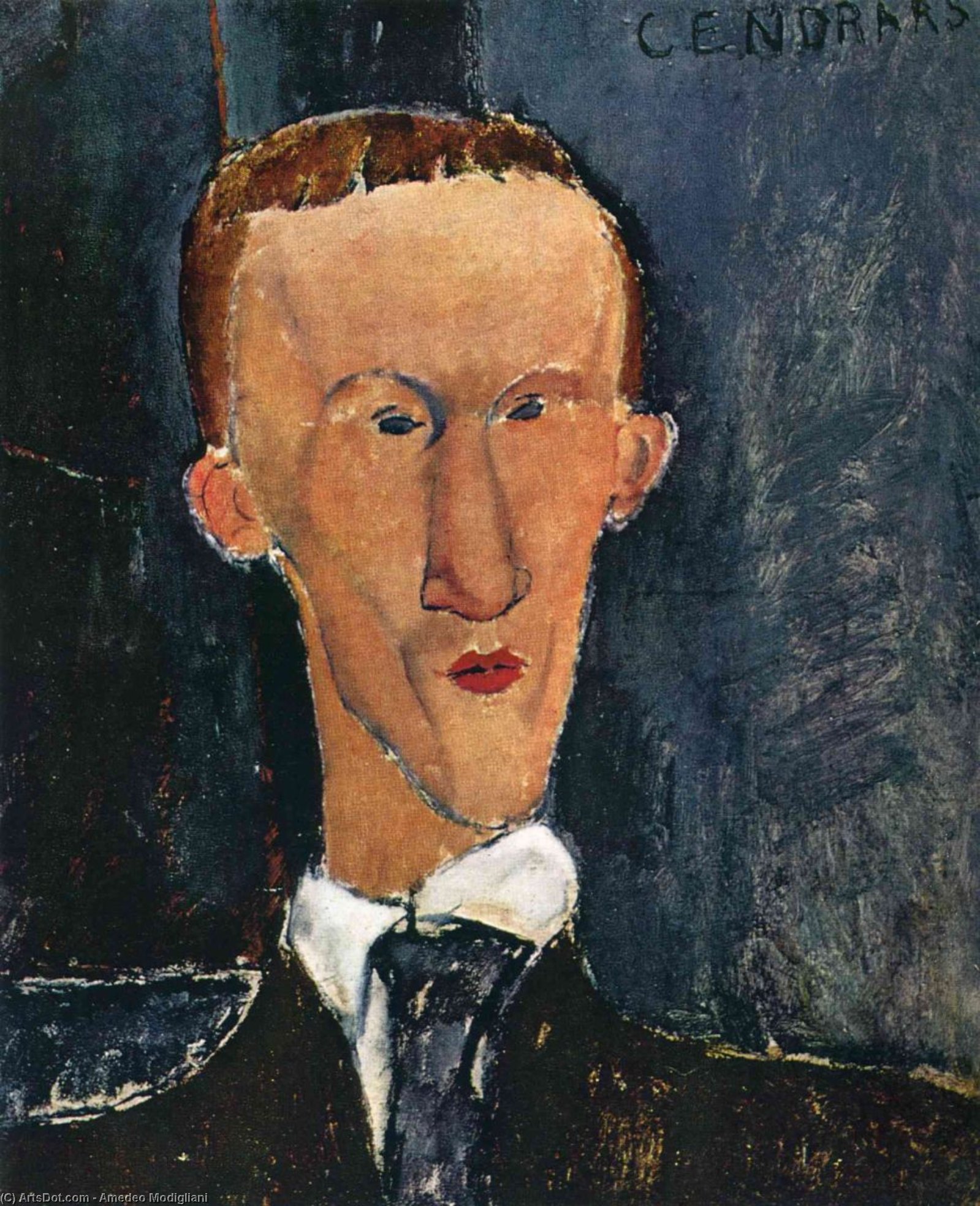
The painting, tentatively titled "Untitled (4448)," presents a striking image – a solitary man rendered in Modigliani's signature elongated form and expressive gaze. Captured against a muted blue wall, the artwork immediately draws the eye to its central figure: a face dominated by an oversized nose, a motif that recurs throughout Modigliani’s oeuvre and speaks volumes about his artistic preoccupation with distortion and psychological depth. This isn’t merely a depiction of anatomy; it's an exploration of human vulnerability and longing—a characteristic hallmark of Expressionist art.
The Style & Technique: An Echo of Nietzschean Influence
Amedeo Modigliani (1884-1920) achieved renown for his distinctive artistic style, heavily influenced by philosophers like Friedrich Nietzsche and writers such as Baudelaire and Lautréamont. Rejecting academic conventions, he embraced simplification and abstraction, prioritizing emotional resonance over meticulous realism. The elongated neck and stylized facial features—particularly the prominent nose—are hallmarks of Modigliani’s technique. He achieved this effect through careful observation and painstaking drawing, followed by applying thin layers of oil paint to create subtle gradations of tone and texture. This deliberate process lends an ethereal quality to the canvas, mirroring the artist's own introspective spirit.
Historical Context: The Shadow of Trauma & Artistic Rebellion
Created during the turbulent years following World War I, “Untitled (4448)” embodies the anxieties and disillusionment prevalent in European artistic circles at the time. Modigliani’s work aligns with the broader Expressionist movement—a reaction against Impressionism's focus on fleeting beauty and a desire to confront darker emotions. The artist himself endured considerable hardship throughout his life, battling illness and facing financial instability – experiences that undoubtedly fueled his creative drive and informed his artistic vision. His rejection of traditional aesthetics served as an act of defiance against societal norms and a testament to the power of individual expression.
Symbolism Beyond Appearance: The Nose as Embodiment of Emotion
The oversized nose in “Untitled (4448)” transcends mere anatomical detail; it functions as a potent symbol—a visual representation of inner turmoil and suppressed emotion. Modigliani frequently employed this motif to convey feelings of isolation, melancholy, and psychological unease. Some scholars interpret the nose as representing rigidity or stubbornness – qualities that might reflect the artist’s own struggles with self-doubt and vulnerability. The muted blue wall serves as a neutral backdrop, emphasizing the figure's presence and highlighting the expressive power of his gaze—a gaze that seems to penetrate beyond the surface appearance, inviting contemplation on themes of human experience.
Emotional Impact: A Haunting Resonance
Ultimately, “Untitled (4448)” possesses an enduring emotional impact. Its quiet stillness juxtaposed with Modigliani’s masterful rendering of facial expression evokes a profound sense of melancholy and introspection. The painting captures the essence of existential angst—a preoccupation with mortality and the complexities of human relationships—themes that resonate powerfully across generations. Like many of Modigliani's works, it invites viewers to confront uncomfortable truths about themselves and the human condition, cementing its place as an unforgettable masterpiece of Expressionist art.