Amedeo Modigliani: The Sculptor's Dream – A Portrait of Melancholy Beauty
Amedeo Clemente Modigliani (1884-1920), a name synonymous with haunting beauty and melancholic grace, remains one of the most beloved and tragically romantic figures of early 20th-century art. Born in Livorno, Italy, into a family steeped in Sephardic Jewish heritage, his life was marked by both profound artistic vision and persistent hardship. Frequent illness shadowed his youth – pleurisy and typhoid fever became unwelcome companions – perhaps instilling within him a sensitivity to fragility that would permeate his work.
- Early Influences: Modigliani’s formative years were shaped by intellectual stimulation, thanks to his mother and grandfather who introduced him to the works of Nietzsche, Baudelaire, and Lautréamont. These philosophers instilled in him a rebellious spirit against conventional artistic norms, fostering an obsession with exploring psychological depth and emotional intensity—a preoccupation that would define his oeuvre.
- A Sculptor's Calling: Despite facing considerable financial difficulties, Modigliani possessed an unwavering conviction that sculpture was his true métier. His friend Jacob Epstein recounts vivid memories of Modigliani’s studio – a cramped space filled with nine or ten elongated heads carved in stone, illuminated by candlelight—a testament to his dedication and singular artistic ambition.
The Style of Long Faces: Expressionism Embodied
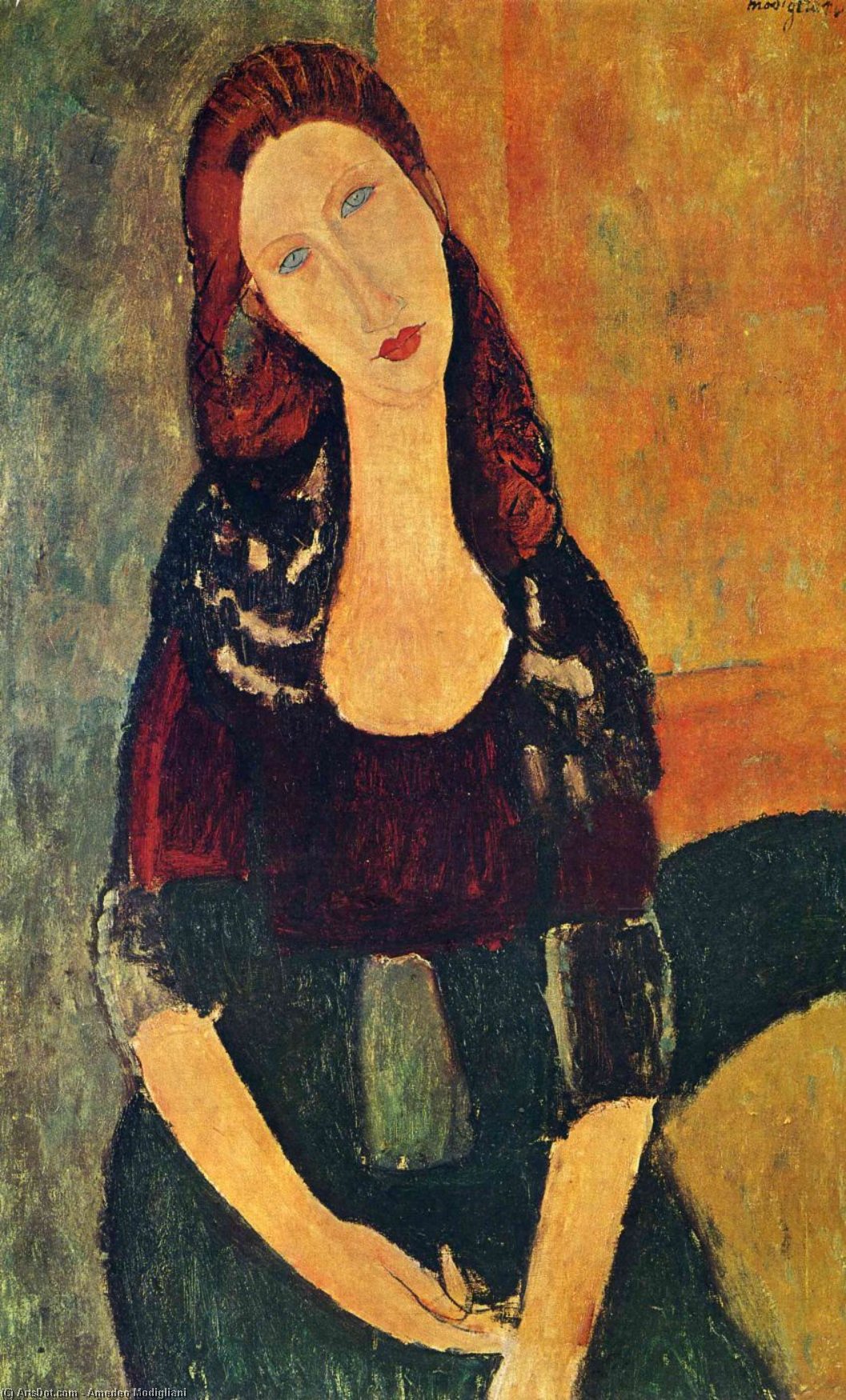
Modigliani's distinctive style quickly gained recognition within the burgeoning Expressionist movement. Characterized by elongated faces, necks, and figures, his portraits captured a profound sense of sorrow and longing—a reflection of the artist’s own turbulent emotional life. Influenced heavily by African sculpture and Egyptian art, he sought to convey primal emotions through simplified forms and stylized features.
- Technique: Modigliani employed a revolutionary technique known as “direct carving,” eschewing preparatory sketches in favor of sculpting directly from blocks of stone. This method demanded immense physical effort and precision, mirroring the artist’s unwavering commitment to his craft.
- Notable Works: Among his most iconic creations are portraits like “Madame Pompadour” and “Jeanne Hébuterne,” which exemplify Modigliani's masterful manipulation of form and expression. These works continue to captivate audiences with their ethereal beauty and poignant portrayal of human emotion.
A Legacy Beyond Time
Though Modigliani achieved little commercial success during his lifetime, his art gained considerable acclaim posthumously. Critics recognized his groundbreaking approach to sculpture and painting—a rejection of academic conventions in favor of a deeply personal vision—establishing him as a pivotal figure in the history of modern art. Today, reproductions of his masterpieces adorn homes and galleries worldwide, ensuring that Modigliani’s hauntingly beautiful style continues to inspire generations of artists and collectors alike.