Andrea Mantegna (1431-1506): Renaissance master of perspective & sculptural detail. Explore iconic works like 'Lamentation' and the Camera degli Sposi!
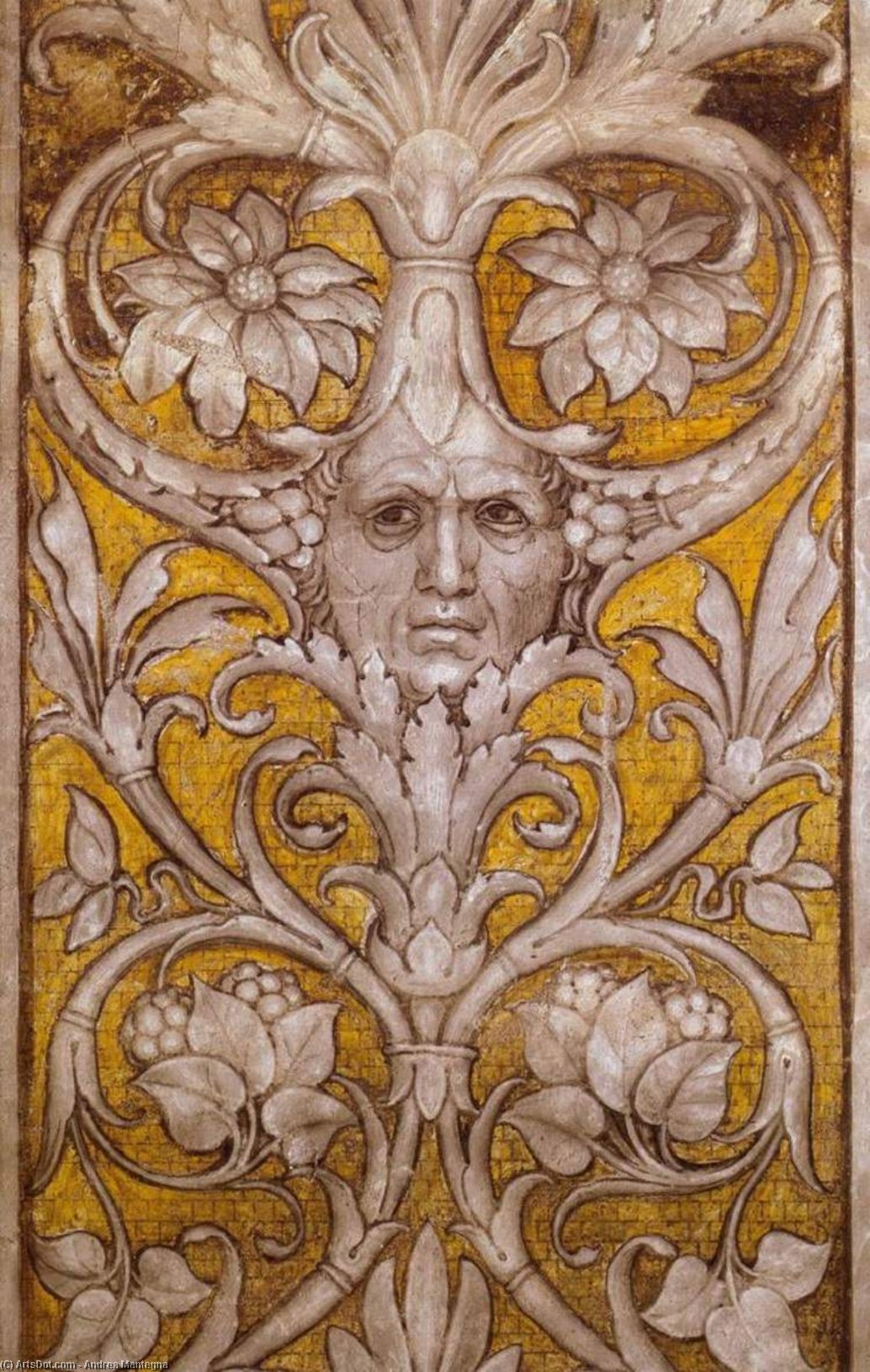
A Window into Antiquity: Exploring Andrea Mantegna’s Grotesque Self-Portrait
Andrea Mantegna, born near Padua around 1431, stands as a pivotal figure bridging the Early and High Renaissances. His artistic journey wasn’t merely about adopting classical forms; it was an immersive excavation of antiquity, a passionate attempt to resurrect the spirit of Rome within the burgeoning Italian Renaissance. Unlike many contemporaries who drew inspiration from classical models, Mantegna possessed a unique fervor for archaeological accuracy. This obsession stemmed from his formative years under Francesco Squarcione, a painter and collector whose workshop functioned less as a traditional studio and more as an academy dedicated to the study of Roman ruins, sculptures, and inscriptions. It was within these walls, surrounded by fragments of a lost empire, that Mantegna’s artistic vision began to take shape—a vision characterized by sculptural forms, dramatic perspective, and an almost obsessive attention to detail. This meticulous approach distinguishes him from his peers and underscores the profound influence of Roman art on his oeuvre.
The Composition: Perspective and Psychological Depth
The painting itself depicts a self-portrait rendered in oil on plaster, showcasing Mantegna’s mastery of linear perspective—a technique pioneered during this period that revolutionized artistic representation. The artist presents himself with an unnerving gaze directed towards the viewer, framed by a meticulously crafted background featuring stylized foliage and architectural elements reminiscent of Roman villas. This deliberate use of perspective isn't simply about creating illusion; it serves to heighten the psychological tension inherent in the image. Mantegna’s portrayal captures not just physical likeness but also conveys a sense of introspection—a gaze that seems to penetrate beyond mere appearance, hinting at an awareness of mortality and perhaps even confronting existential anxieties.
Symbolism and Artistic Innovation
The inclusion of a crown atop the man's head is particularly noteworthy. While seemingly straightforward iconography, it speaks to Mantegna’s broader artistic ambition: he sought to elevate his subject matter—the self—to the level of monumental sculpture, mirroring the grandeur of Roman statues. This stylistic choice reflects Mantegna’s unwavering commitment to classical ideals and demonstrates his desire to transcend mere imitation, forging a new path for Renaissance portraiture. The artist's preoccupation with anatomical precision – evident in the rendering of the face and hands – aligns perfectly with the humanist fascination of the time with understanding the human body as a microcosm of the universe.
A Legacy Preserved Through Reproduction
The painting’s enduring appeal lies not only in its artistic brilliance but also in its ability to resonate across centuries. ArtsDot.com offers high-quality reproductions that allow viewers worldwide to experience Mantegna's masterpiece firsthand, capturing the subtle nuances of color and texture that characterize the original artwork. These reproductions serve as a testament to Mantegna’s legacy—a reminder of the transformative power of art to inspire contemplation and illuminate the complexities of human existence. Explore this iconic piece today!