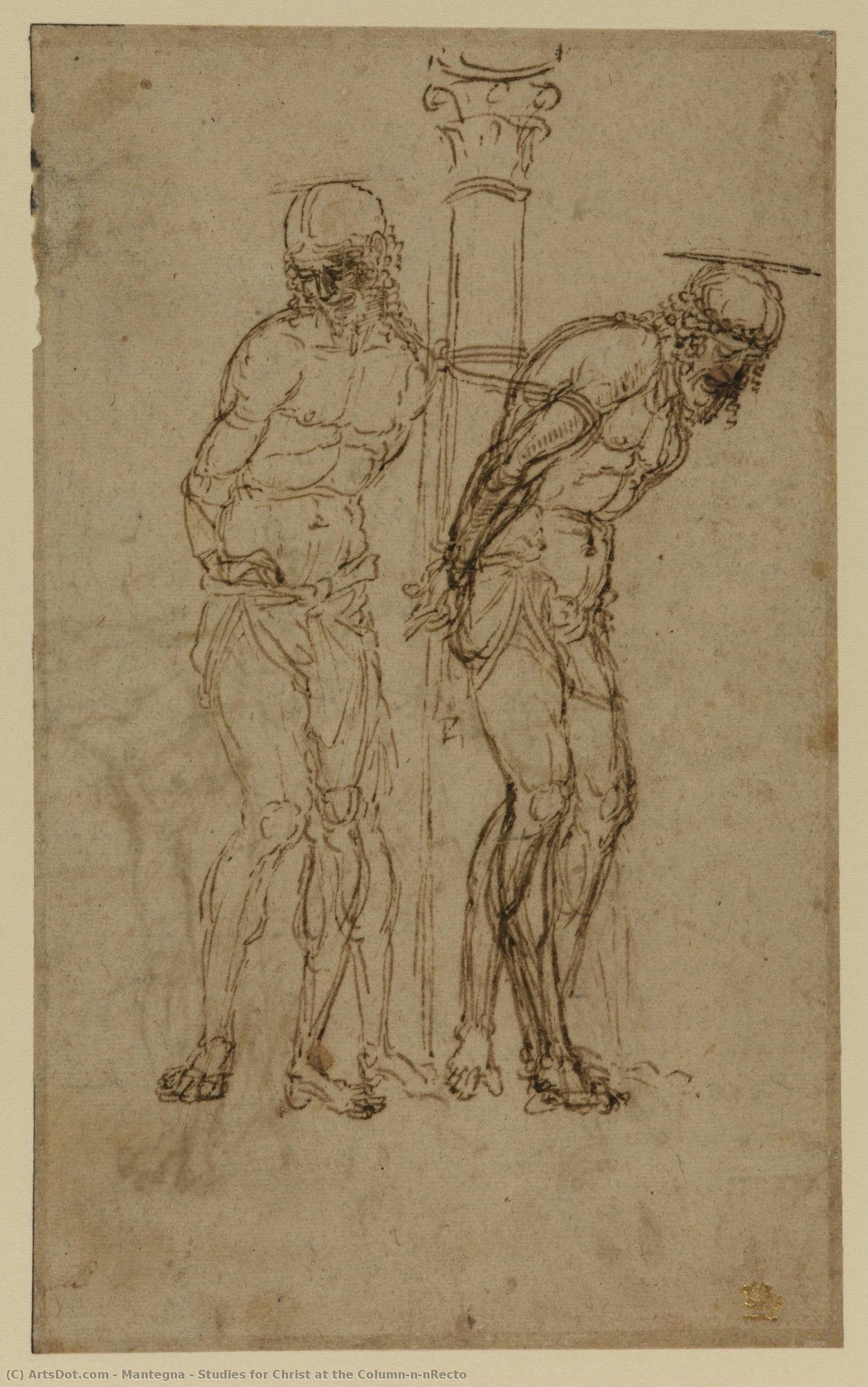
Explore Andrea Mantegna's 'Studies for Christ at the Column,' a poignant preparatory drawing capturing profound suffering & divine grace through masterful line work and anatomical precision.
Andrea Mantegna (1431-1506): Renaissance master of perspective & sculptural detail. Explore iconic works like 'Lamentation' and the Camera degli Sposi!
Discover Impressionist & Post-Impressionist masterpieces at The Courtauld Gallery! Explore works by Van Gogh, Manet & more in a stunning London setting. A cultural sanctuary awaits.
A Study in Suffering and Divine Grace: Andrea Mantegna’s ‘Studies for Christ at the Column Recto’
Andrea Mantegna's 'Studies for Christ at the Column Recto', a remarkably preserved preparatory drawing from 1460, offers an unparalleled glimpse into the creative process of one of Renaissance Italy’s most influential artists. More than just a sketch, it embodies Mantegna’s groundbreaking approach to depicting biblical narratives—a fusion of meticulous observation and sculptural idealism that foreshadowed developments in subsequent artistic movements. This artwork stands apart not merely for its technical prowess but also for its profound exploration of themes concerning human vulnerability juxtaposed with divine majesty.
Composition and Technique: Embracing Classical Influence
The drawing’s vertical orientation immediately establishes a sense of solemnity, mirroring the grandeur of Mantegna's monumental frescoes in Sant'Andrea Basilica. Dominating the image is linear work—primarily hatching and crosshatching—executed with charcoal on laid paper. These techniques skillfully model volume and convey shading, creating an illusion of depth that reflects Mantegna’s mastery of *trompe-l'oeil*, a technique borrowed directly from classical sculpture. The artist deliberately minimized color, prioritizing tonal variation to capture the essence of the scene rather than indulging in decorative embellishments. Notice how the column serves as a structural anchor, guiding the viewer’s eye and reinforcing the compositional balance.
The Biblical Narrative: Flagellation and Anatomical Precision
‘Studies for Christ at the Column Recto’ depicts the biblical episode of the Flagellation—Christ being scourged before his crucifixion—a scene fraught with symbolic significance. Mantegna meticulously rendered two figures: Christ himself, slumped against a column in agonizing posture, bound hands outstretched, and his tormentor, positioned aggressively between him and another depiction of Christ suffering. The artist’s anatomical accuracy is striking; he captures the musculature of Christ's body with remarkable precision, reflecting the humanist ideals prevalent during the Renaissance. However, Mantegna departs from earlier depictions of Christ’s suffering by portraying him as profoundly vulnerable—a deliberate choice that underscores his humanity alongside his divinity.
Symbolism and Emotional Resonance: Vulnerability Versus Majesty
The slumped posture of Christ communicates palpable anguish, while the bound hands symbolize helplessness. The tormentor's forceful stance embodies brutality, highlighting the dramatic tension inherent in the scene. Yet, crucially, Mantegna incorporates a halo above Christ’s head—a visual allusion to his divine status—creating a powerful paradox that encapsulates the artwork’s core message: the suffering of God incarnate is simultaneously humbling and awe-inspiring. This subtle layering of symbolism elevates ‘Studies for Christ at the Column Recto’ beyond mere representation, inviting contemplation on themes of faith, compassion, and transcendence.
Provenance and Legacy: A Window into Renaissance Artistic Innovation
Originally attributed to Lorenzo Leonbruno, this drawing has since been reassessed as a work by Andrea Mantegna himself—a testament to the artist's enduring influence. Its journey through private collections underscores its rarity and importance within art history. Today, reproductions of ‘Studies for Christ at the Column Recto’ are available from ArtsDot.com, allowing enthusiasts worldwide to experience the brilliance of Mantegna’s pioneering vision and appreciate the profound beauty of this exceptional artistic achievement.