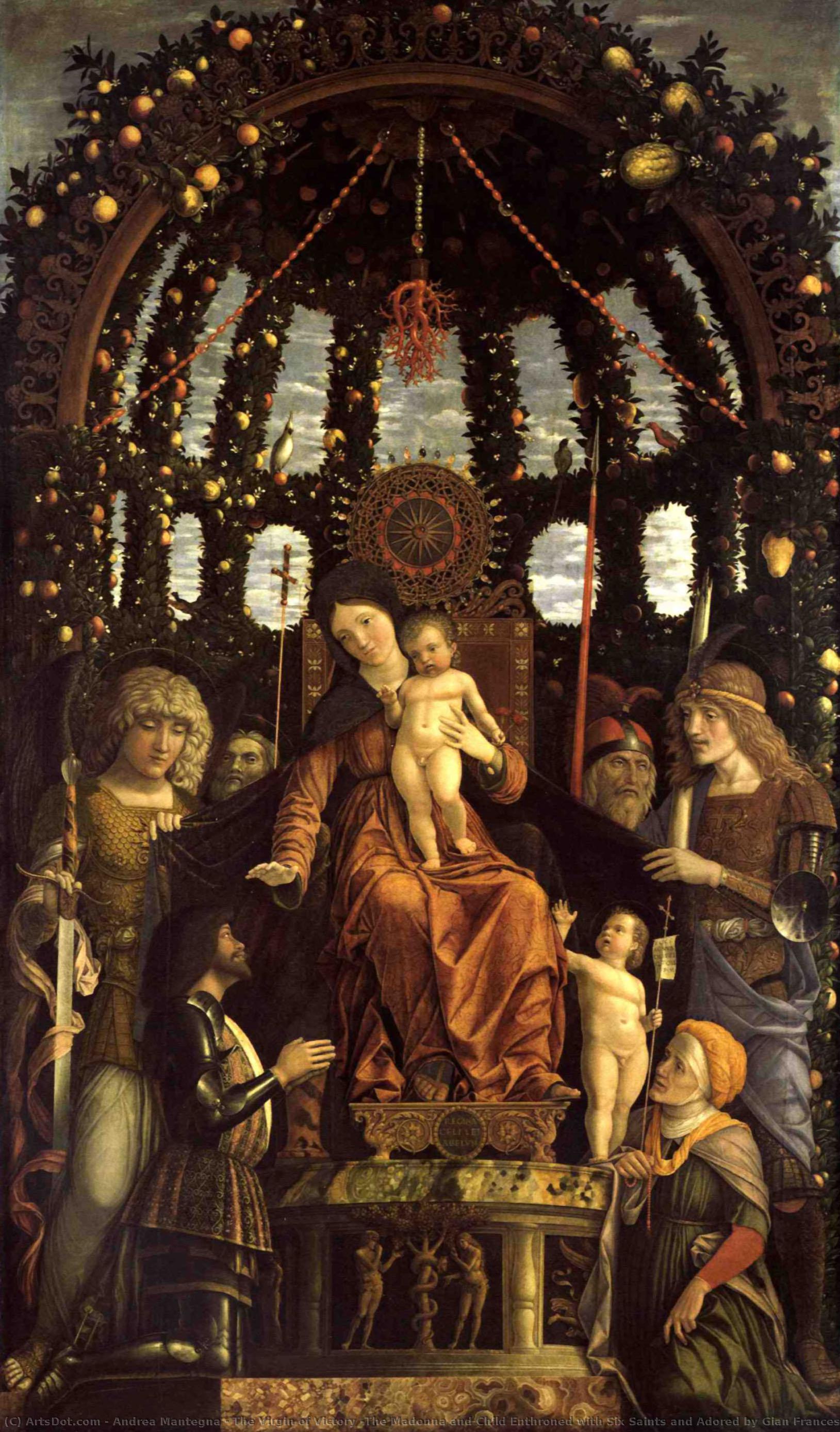
Admire Andrea Mantegna’s ‘Virgin of Victory’! This Renaissance masterpiece showcases dramatic lighting, pyramidal composition & rich detail. A stunning 1496 oil painting.
Andrea Mantegna (1431-1506): Renaissance master of perspective & sculptural detail. Explore iconic works like 'Lamentation' and the Camera degli Sposi!
Explore the Louvre Museum in Paris! Home to iconic masterpieces like the Mona Lisa & Venus de Milo, journey through art history from ancient Egypt to Renaissance icons. Plan your visit today!
A Renaissance Masterpiece: The Virgin of Victory
Andrea Mantegna’s *The Virgin of Victory*, completed in 1496, is a stunning example of Early Renaissance artistry. Measuring an impressive 168 x 285 cm, this oil on canvas painting commands attention with its majestic composition and intricate detail. It's more than just a religious depiction; it’s a statement of power, faith, and artistic innovation.
Subject & Narrative
The artwork centers around the *Madonna and Child*, enthroned in heavenly glory. The Virgin Mary, regal and serene, cradles the infant Jesus, presenting them as divine rulers. Surrounding this central pair are six saints – figures likely chosen for their significance to the Gonzaga family of Mantua, who commissioned the work. At the base of the composition kneels Gian Francesco II Gonzaga, then a young boy, offering reverence to the holy figures. The scene isn’t merely devotional; it's a celebration of victory—likely commemorating a military success of the Gonzaga family – hence the title “Virgin of Victory”.
Style & Technique
Mantegna was renowned for his mastery of perspective and sculptural forms, and this painting exemplifies those qualities. He employs a pyramidal composition, drawing the viewer’s eye upwards towards Mary and Christ, creating a sense of awe and reverence. The figures are rendered with remarkable anatomical accuracy and solidity, reflecting Mantegna's early training as a sculptor. His technique involves layering oil paints to build up color and form, achieving a luminous effect and incredible textural depth – particularly noticeable in the elaborate draperies and the garlands adorning the architectural setting.
Historical Context & Commission
Mantegna served as court painter to the Gonzaga family for much of his career, and *The Virgin of Victory* was created during a period of significant artistic patronage in Mantua. The Gonzaga’s were keen collectors and promoters of Renaissance art, and this painting reflects their wealth, power, and piety. It was intended not only as a devotional image but also as a symbol of the family's status and legitimacy. The architectural setting, while fantastical, draws inspiration from Roman ruins – a testament to Mantegna’s deep interest in classical antiquity.
Symbolism & Iconography
The painting is rich with symbolic meaning. The garlands of fruit and foliage represent abundance and prosperity, while the candles illuminate the scene, symbolizing divine light and faith. The elaborate architectural setting suggests a sacred space – a heavenly realm where earthly rulers pay homage to the divine. The inclusion of Gian Francesco II Gonzaga within the composition elevates his status and links him directly to the Virgin Mary’s blessing. Mantegna's attention to detail isn't merely aesthetic; it serves to reinforce the theological importance of the scene.
Emotional Impact & Interpretation
*The Virgin of Victory* evokes a sense of grandeur, solemnity, and spiritual devotion. The painting’s dramatic lighting and carefully constructed composition create a powerful emotional impact on the viewer. It's a work that invites contemplation and inspires reverence. Beyond its religious significance, it offers insight into the political ambitions and artistic tastes of the Renaissance elite.
For Collectors & Designers
This artwork is ideal for collectors seeking a significant piece of Renaissance history. Its majestic scale and rich detail make it a focal point in any collection. For interior designers, a high-quality reproduction of *The Virgin of Victory* can add a touch of timeless elegance and sophistication to both traditional and contemporary spaces. The painting’s color palette – deep blues, reds, and golds – complements a variety of décor styles, while its subject matter lends an air of serenity and grace.