The Genesis of a Pop Icon
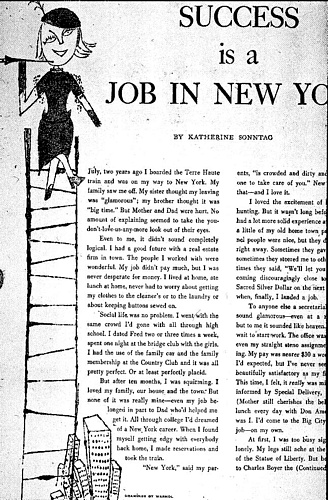
“Success is a job in New York,” a deceptively simple phrase emblazoned across the page, encapsulates a pivotal moment in Andy Warhol's artistic trajectory. This seemingly unassuming photograph, a reproduction of a magazine advertisement from 1965, isn’t merely a commercial image; it’s a foundational piece that reveals the genesis of Warhol’s entire aesthetic—a collision of high and low culture, celebrity obsession, and the burgeoning anxieties of American society. Captured by David McCabe, the photograph depicts Warhol himself, looking slightly bewildered yet undeniably magnetic, standing amidst the bustling streets of New York City. The backdrop is deliberately blurred, emphasizing his presence as a singular figure against the urban sprawl – a visual shorthand for his ambition to break free from the confines of commercial illustration and establish himself as an artist of genuine significance.
A Technique Born of Necessity: Blotted Line and Commercial Roots
The photograph’s power lies not just in its subject matter, but also in the technique employed to create it. Warhol's signature “blotted line” – a seemingly haphazard yet meticulously controlled method of applying ink to paper – was initially developed as a cost-effective solution for commercial illustration. Faced with demanding deadlines and budgets, Warhol devised this technique to mimic the look of hand-drawn sketches, instantly elevating his work beyond the sterile precision of traditional drafting. This process, born from necessity in the world of advertising, would become the cornerstone of his artistic style, injecting an element of spontaneity and imperfection into his celebrated silkscreen prints. The photograph itself serves as a visual demonstration of this technique – the subtle variations in ink density create a textured surface that hints at the layers of labor involved.
Symbolism of Ambition and the American Dream
Beyond its technical merits, “Success is a Job in New York” resonates with potent symbolic meaning. Warhol’s pose—a slightly awkward yet confident stance—mirrors the anxieties and aspirations of a young artist navigating the cutthroat world of 1960s New York. The phrase itself speaks to the relentless pursuit of success, a core theme in American culture. However, Warhol subverts this traditional narrative by presenting it with a detached irony. He’s not celebrating triumph; he's simply stating a fact—that securing a job is the first step on the path to artistic recognition. The image subtly critiques the commodification of art and the relentless pressure to achieve fame, reflecting the broader cultural shifts occurring during this period.
Echoes of Warhol’s Wider Oeuvre
This photograph isn't an isolated work; it’s a crucial precursor to Warhol’s most iconic pieces. The themes of celebrity, consumerism, and mass production that permeate his later silkscreen prints—Marilyn Monroe, Campbell’s Soup Cans—are all subtly present here. The use of a magazine advertisement as the subject matter anticipates Warhol's fascination with popular culture and his desire to elevate everyday imagery into the realm of art. The photograph’s stark black-and-white palette and its focus on a single figure foreshadow the minimalist aesthetic that would define much of his work, solidifying his place as a pioneer of Pop Art.
A Timeless Image for Collectors and Designers
“Success is a Job in New York” remains a remarkably compelling image today. Its simplicity belies its depth, offering a fascinating glimpse into the mind of one of the 20th century’s most influential artists. Reproductions of this photograph are highly sought after by collectors and interior designers alike, serving as both a testament to Warhol's artistic vision and a striking visual element for contemporary spaces. Its enduring appeal lies in its ability to capture a specific moment in time—a young artist grappling with ambition, identity, and the promise (and perils) of the American dream.