A Celestial Moment Captured in Tempera
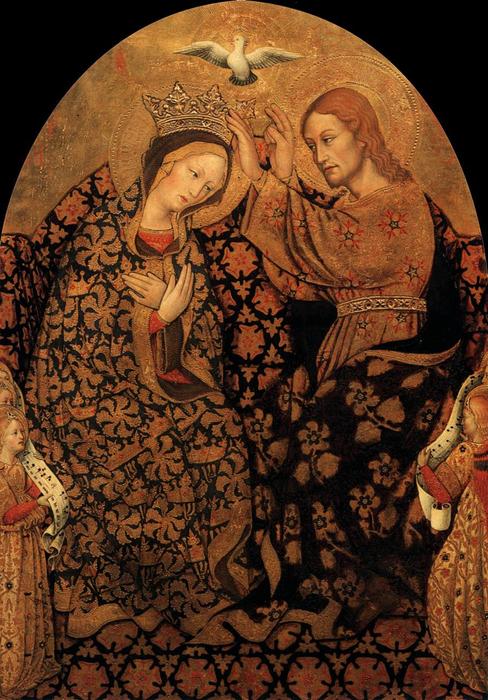
To stand before Antonio da Fabriano’s Coronation of the Virgin is to step across the threshold of time and into a realm of divine splendor. This 1452 masterpiece, executed in exquisite tempera on wood panel, does more than merely depict a religious event; it captures the very essence of heavenly glory. The composition immediately draws the eye to the central act: the crowning of the Virgin Mary by celestial figures. It is a scene steeped in profound theological weight, yet rendered with such palpable beauty that it speaks directly to the human soul's yearning for transcendence. The overall impression is one of opulent reverence, characteristic of the height of Early Renaissance devotion.
Mastery of Light and Divine Illumination
Da Fabriano’s handling of light in this work is nothing short of miraculous. It is not merely illumination; it feels like divine radiance itself, seeming to emanate from sources unseen, bathing Mary's face and the golden crown in a soft, ethereal glow. This masterful interplay between light and shadow gives the figures a remarkable sense of three-dimensionality, despite the underlying stylistic echoes of Byzantine formality. The artist pays meticulous attention to the folds of the garments, allowing the play of light across rich fabrics—the deep blues, the shimmering golds—to create texture and depth that seem almost tangible. This sophisticated use of *chiaroscuro*, even within the constraints of tempera, elevates the piece from mere illustration to profound visual poetry.
Symbolism Woven into Every Detail
The narrative richness of the Coronation is supported by a tapestry of potent symbolism. The presence of angels bearing scrolls inscribed with "Gloria in excelsis Deo" immediately situates the viewer within the context of eternal praise. The scepter held by one attendant figure speaks to established authority, while the hovering dove serves as an unmistakable emblem of the Holy Spirit. Every gesture, every richly patterned architectural detail visible in the background castle-like structure, contributes to a cohesive theological statement: the recognition of Mary's exalted status as Queen of Heaven. For the collector or admirer, these embedded symbols offer endless avenues for contemplation and scholarly appreciation.
A Renaissance Echo with Byzantine Grace
Stylistically, the painting exists in a fascinating dialogue between two great artistic traditions. While the emerging naturalism and attention to human form point toward the burgeoning spirit of the Italian Renaissance, the overall structure retains a beautiful linearity and decorative intensity reminiscent of Byzantine iconography. The figures are rendered with an elegant stylization, their forms defined by crisp outlines that lend an air of timeless dignity. This unique synthesis—the emotional depth of the Renaissance meeting the sacred formality of Byzantium—is what makes this piece so compelling. It is art that feels both historically grounded and eternally visionary.
Bringing Sacred Artistry Home
For those seeking to incorporate such a powerful piece into a modern sanctuary, study, or grand hall, owning a high-quality reproduction of the Coronation of the Virgin offers an unparalleled connection to artistic history. The original's tempera technique and saturated palette promise a visual feast that transcends mere decoration. It invites contemplation, evoking feelings of solemnity, piety, and awe. To own this work is to possess not just paint on panel, but a tangible piece of 15th-century devotion, ready to inspire wonder in every gaze.