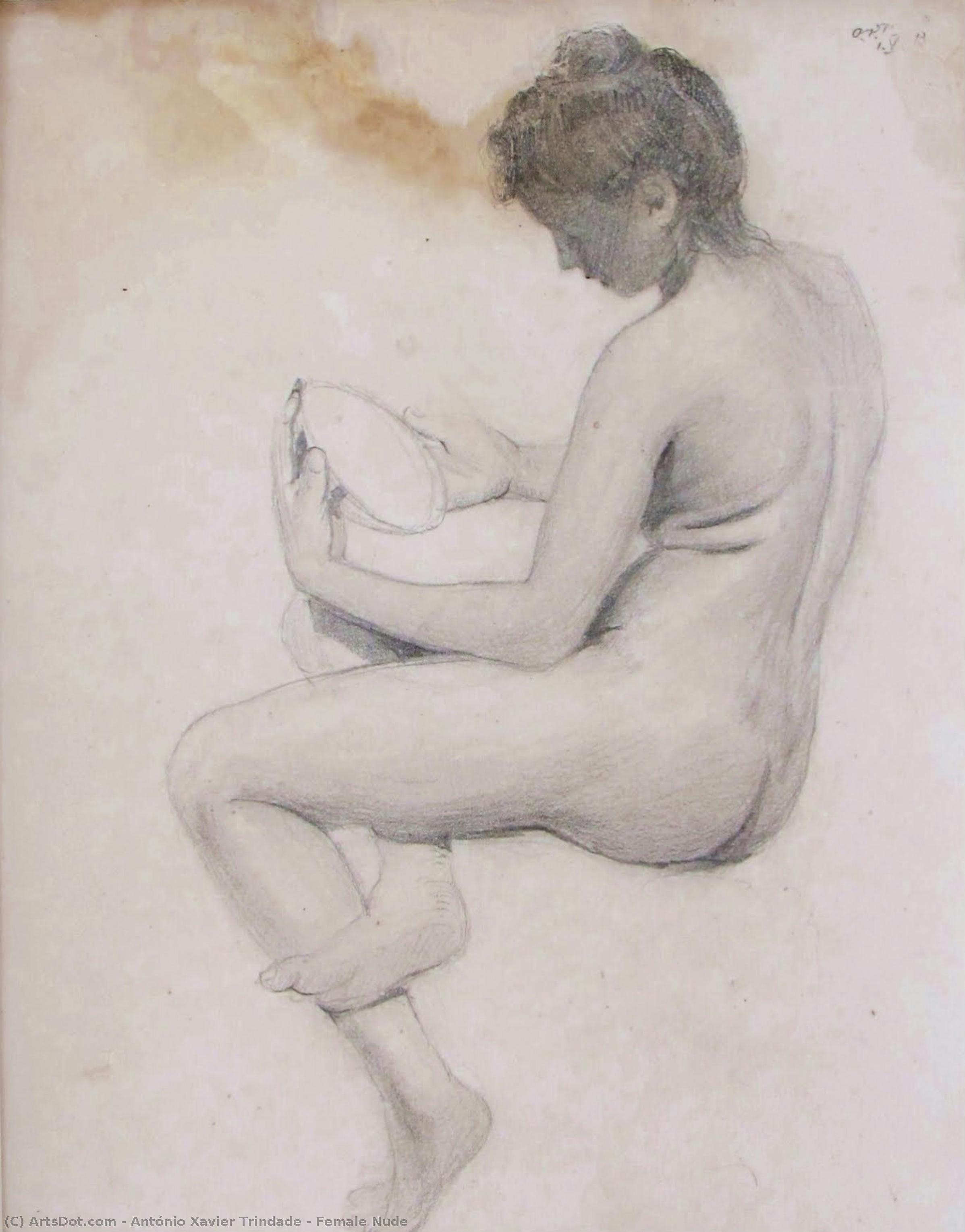
Discover António Xavier Trindade’s ‘Female Nude’ (1913) – a captivating pencil drawing of a reclining figure. Explore realism, line work & Victorian themes in this unique Goan artwork.
Discover António Xavier Trindade (1870-1935), a prominent Goan painter of the Bombay School, celebrated as the 'Rembrandt of the East'. Explore his realistic portraits, landscapes & still lifes blending Indian culture with Western styles.
Discover Portugal's fascinating connection to Asia at Museu do Oriente! Explore stunning Chinese screens, Namban art & the Kwok On Collection showcasing Asian performing arts – a unique Lisbon cultural experience.
Although Trindade turned to oil interiors and nudes in the later years of his life, there are a few examples of nude sketches from the first decade of the 20th century. These depictions were in vogue and demand among cosmopolitan wealthy Indians, looking for work that resemble those of French artists such as Ingres or Bouguereau.Portraits of female nudes holding a mirror have been a recurrent pictorial theme since the 16th century, repeatedly exploring the voyeur ~ vanity dichotomy. These drawings always imply the presence of a spectator even if the sitter is not confronting the viewer directly. In this particular portrait, a young woman is seated sideways looking over the mirror she holds with both hands. Even though the mirror often symbolises female vanity, in this instance it appears to be an excuse to escape eye contact. Trindade’s command over line and light and shadow are distinctive and essential to create vivid drawings without having to resort to colour for rhythm or texture. References: Gracias, Fátima, Faces of Colonial India: The Work of Goan Artist António Xavier Trindade (1870-1935), Panjim, Goa, Fundação Oriente, 2014.