Discover António Xavier Trindade (1870-1935), a prominent Goan painter of the Bombay School, celebrated as the 'Rembrandt of the East'. Explore his realistic portraits, landscapes & still lifes blending Indian culture with Western styles.
Discover Portugal's fascinating connection to Asia at Museu do Oriente! Explore stunning Chinese screens, Namban art & the Kwok On Collection showcasing Asian performing arts – a unique Lisbon cultural experience.
A Tender Glimpse into Cosmopolitan Bombay
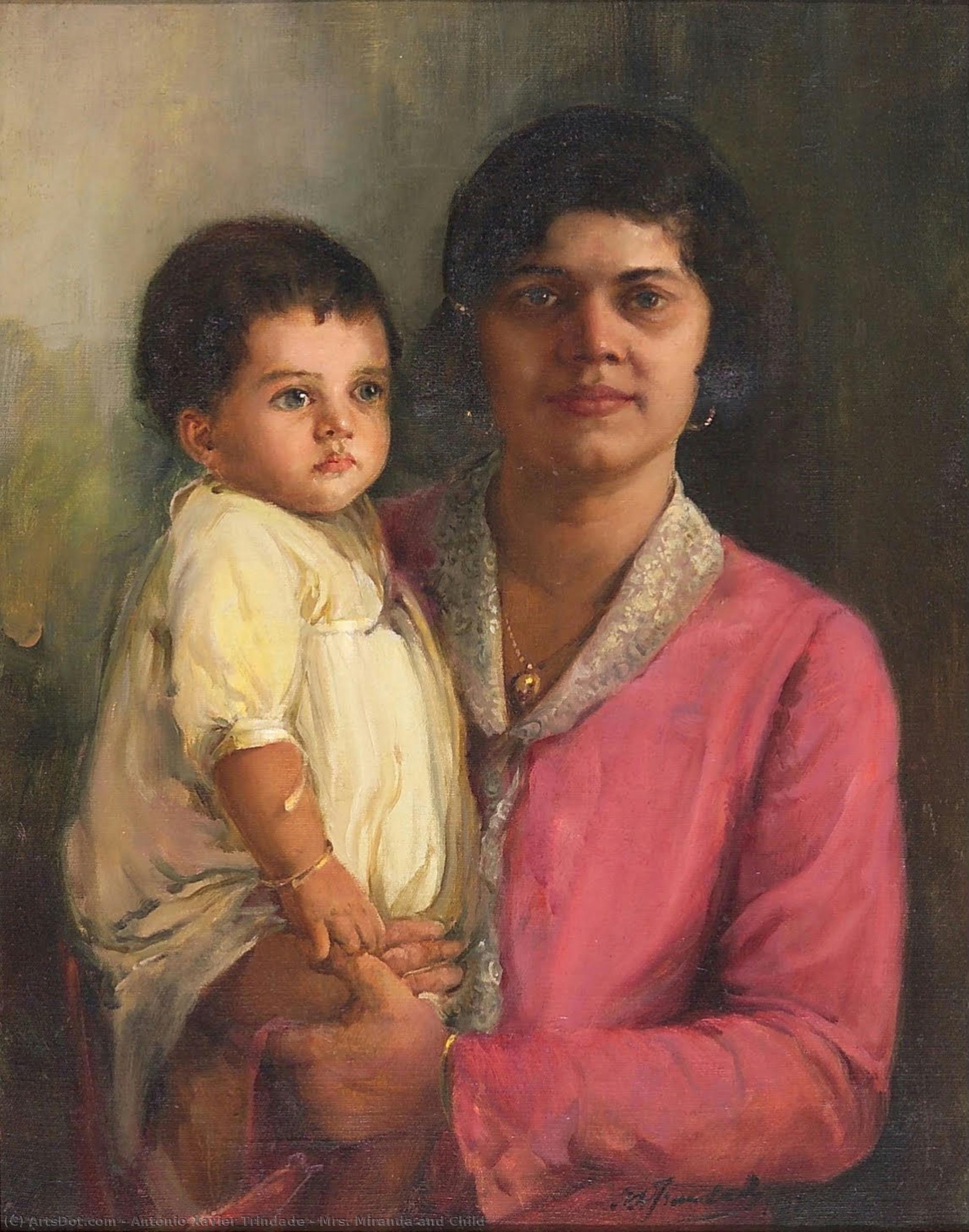
In the soft, luminous strokes of António Xavier Trindade’s 1930 masterpiece, Mrs. Miranda and Child, we are transported to a bygone era of elegance and social grace in early 20th-century Bombay. This intimate portrait captures Eulalia Miranda and her daughter, Sheila, not merely as subjects of a painting, but as living embodiments of a sophisticated, multicultural society. Trindade, often celebrated as the "Rembrandt of the East," utilizes his mastery of light and shadow to breathe life into this domestic moment. The composition radiates a profound sense of maternal warmth, as Mrs. Miranda holds her child close to her chest, her expression one of quiet confidence and self-assurance that reflects her status within the Goan community of European descent.
The painting serves as a vibrant historical document, offering a window into the sartorial splendor of the period. Mrs. Miranda is draped in a striking pink dress, a color choice that infuses the canvas with a warm, rhythmic vitality. The intricate details—from the long sleeves to the contrasting patterned collar—speak to a refined taste that blended Western fashion with local prestige. Trindade’s attention to detail is particularly exquisite in the depiction of her adornments: the glimmer of hoop earrings, the delicate gold bangle on her arm, and the subtle luster of a locket pendant, perhaps set with tiny rubies. Even the child’s adjustable bangle serves as a poignant symbol of the privileged upbringing common among the families of Mahim during this era.
Mastery of Technique and Emotional Resonance
Technically, the work is a triumph of the Bombay School’s academic realism. Trindade employs a classical approach, characterized by smooth transitions of tone and a sophisticated handling of texture that makes the fabric of the pink dress feel almost tactile. His ability to manipulate light creates a sense of depth that pulls the viewer into the private world of the Miranda family. While the primary focus remains on the tender bond between mother and daughter, the subtle presence of other figures in the periphery suggests a larger social tapestry, hinting at a moment captured during a bustling social gathering or a communal event.
For the discerning collector or interior designer, this reproduction offers more than just aesthetic beauty; it provides an emotional anchor for any space. The painting’s palette of soft pinks and warm skin tones makes it a versatile piece for high-end decor, capable of adding a sense of historical weight and soulful tranquility to a room. It is a work that invites contemplation, prompting viewers to reflect on themes of lineage, maternal love, and the enduring elegance of cultural identity. Owning a piece of Trindade’s legacy means preserving a fragment of India's colonial artistic zenith, making it an incomparable addition to a curated art collection.