A Symphony of Nature: The Intricate World of Mackmurdo’s Floral Design
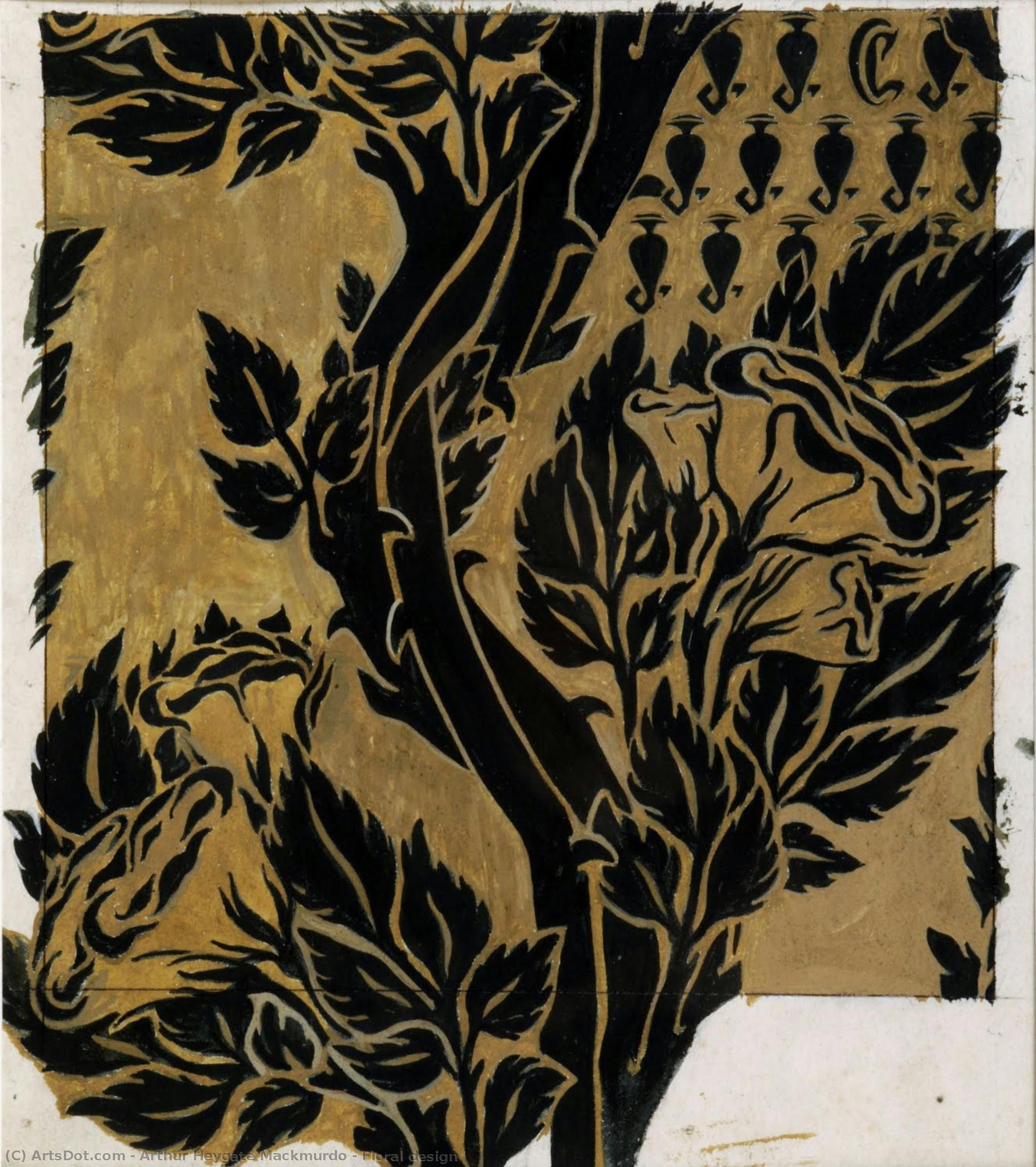
In the delicate interplay of line and organic form, Arthur Heygate Mackmurdo’s "Floral Design" emerges as a breathtaking testament to the dawn of a new aesthetic era. Created in 1880, this exquisite work serves as a bridge between the structured morality of the Arts and Crafts movement and the fluid, rhythmic grace of the burgeoning Art Nouveau style. At first glance, the viewer is drawn into a dense, mesmerizing thicket of botanical life, where every leaf and petal seems to pulse with a quiet, living energy. The composition is far more than a mere study of flora; it is a meticulously choreographed dance of nature, captured through a lens of profound craftsmanship that elevates simple botanical observation into high art.
The mastery of Mackmurdo lies in his ability to balance complexity with a sense of unified harmony. Within this intricate arrangement, the artist employs a sophisticated layering technique, utilizing varying scales of foliage to create a palpable sense of depth and dimension. Larger, more commanding leaves anchor the composition, while smaller, more delicate tendrils weave through the gaps, guiding the eye on a continuous journey across the canvas. This rhythmic movement is punctuated by the unexpected presence of a bird, a subtle yet profound inclusion that breathes life into the botanical tapestry. The bird acts as a focal point of vitality, transforming the piece from a static pattern into a narrative moment—a fleeting glimpse into a hidden, enchanted garden.
For the discerning collector or interior designer, this piece offers an unparalleled opportunity to introduce a sense of historical elegance and organic tranquility into a modern space. The monochromatic essence of the design—often appreciated in its stark, graphic clarity—allows it to integrate seamlessly into diverse decor styles, from the moody sophistication of a contemporary study to the light-filled serenity of a classic salon. Beyond its visual splendor, "Floral Design" carries an emotional weight of nostalgia and reverence for the natural world. It invites the observer to slow down, to notice the minute details of the earth's beauty, and to find solace in the timeless patterns of growth and life. Owning a reproduction of such a pivotal work is not merely about decoration; it is about preserving a fragment of design history that continues to inspire awe and wonder.