The
Aubrey Vincent Beardsley painting,
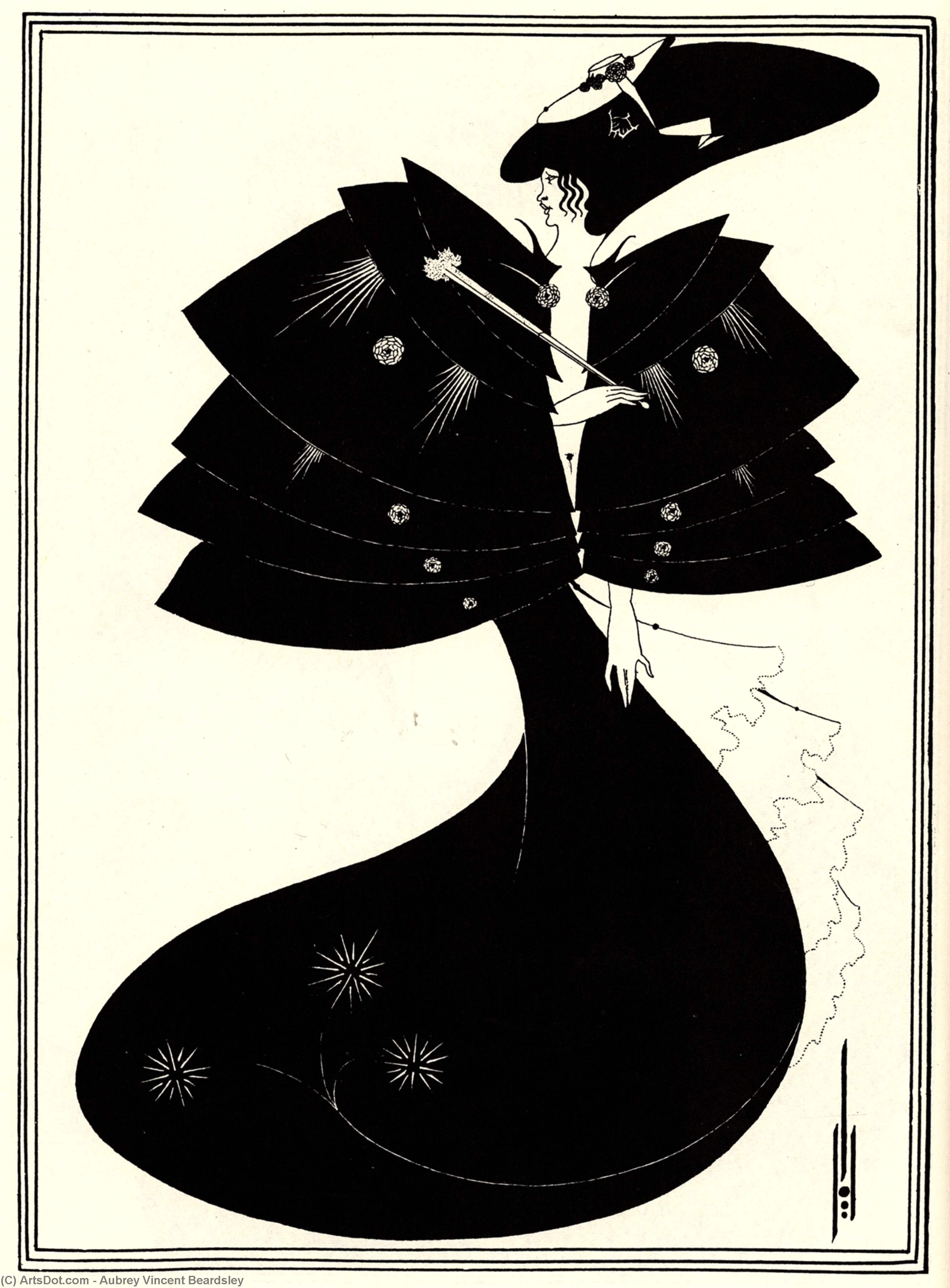
The Black Cape, is a quintessential example of the Art Nouveau style that dominated the art world in the late 19th and early 20th centuries. Created in 1894, this ink drawing showcases Beardsley's unique ability to blend elegance and simplicity.
Artistic Style and Influences
Beardsley's work was heavily influenced by the
Art Nouveau movement, which emphasized sinuous lines, organic forms, and a sense of luxury. The
The Black Cape painting features a woman wearing a long dress with a black cape, exuding an air of sophistication and refinement. The use of bold lines and minimal shading creates a sense of depth and dimensionality.
Historical Context and Significance
The
The Black Cape was created during a time of great artistic innovation, with artists like
Pavel Filonov pushing the boundaries of modern art. Beardsley's work was also influenced by the literary world, particularly the works of
Oscar Wilde. The painting is a testament to the enduring power of art to capture the essence of an era.
- The V&A Museum has an extensive collection of Beardsley's work, including The Black Cape.
- https://ArtsDot.com offers handmade oil painting reproductions of Beardsley's works, including The Black Cape.
- For more information on Beardsley's life and work, visit https://ArtsDot.com or Wikipedia: Aubrey Vincent Beardsley.
Key Features of the painting include: - The use of bold lines and minimal shading to create depth and dimensionality - The emphasis on elegance and simplicity, characteristic of the Art Nouveau style - The influence of literary figures like
Oscar Wilde on Beardsley's work
The
The Black Cape is a masterpiece of Art Nouveau that continues to inspire artists and art lovers today. Its unique blend of elegance, simplicity, and sophistication makes it a must-see for anyone interested in the art of the late 19th and early 20th centuries.