Explore the vibrant Expressionist paintings of August Macke (1887-1914). Influenced by Fauvism & Orphism, his works capture modern life with bold color and draftsmanship. A key figure in Der Blaue Reiter.
Discover Kunstmuseum Bonn, Germany's premier destination for Rhenish Expressionism and post-war German art. Explore iconic works by Macke, Beuys, and more in a stunning architectural setting. Plan your visit today!
A Moment Frozen in Orphism’s Embrace
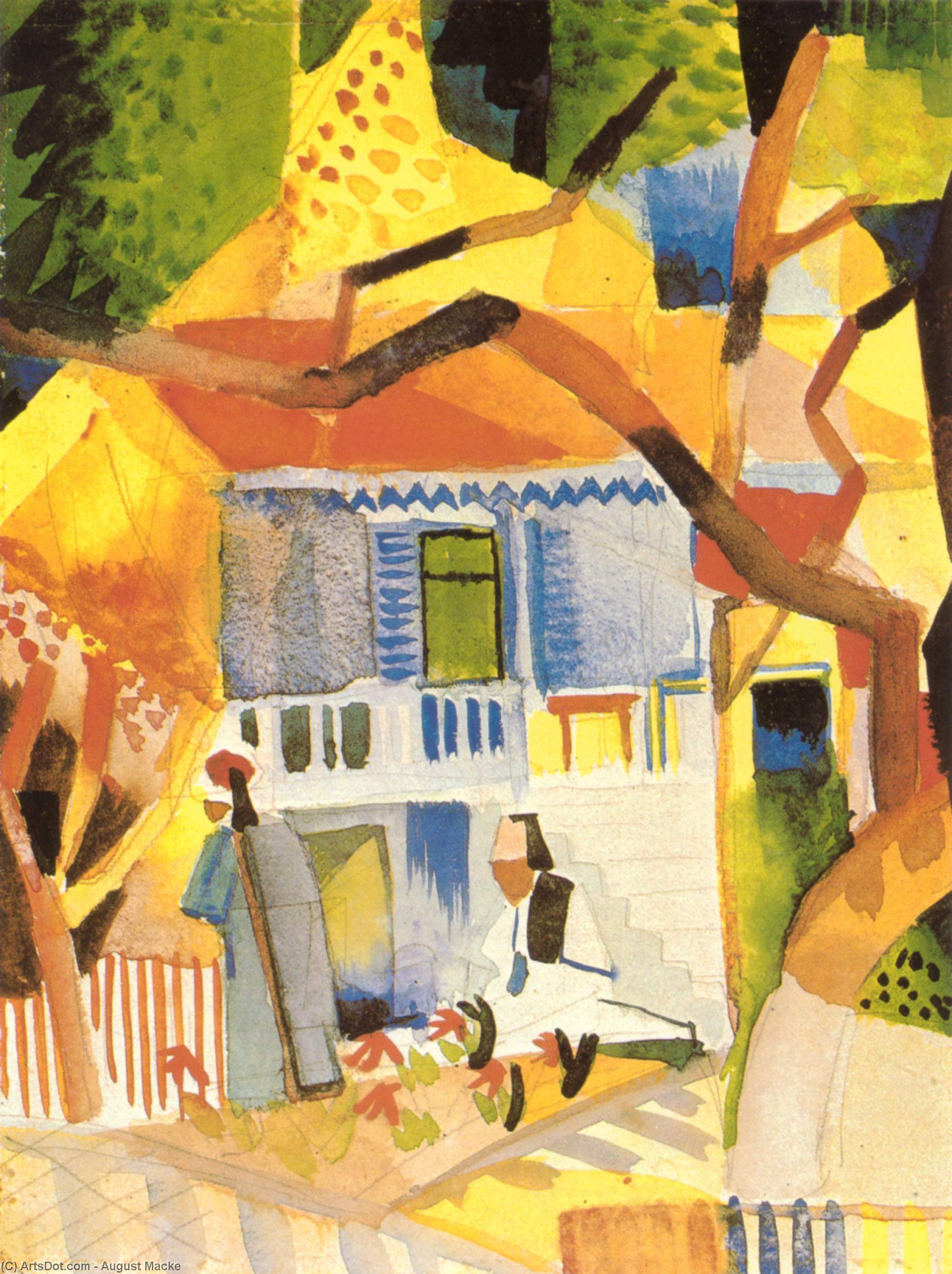
August Macke's “Courtyard of a Villa at St. Germain,” painted in 1914, encapsulates the spirit of German Expressionism’s final, fervent gasp before succumbing to the horrors of World War I. More than just a depiction of an idyllic garden scene—though undeniably beautiful—the painting represents a pivotal moment in artistic history, embodying the stylistic innovations of Orphism and reflecting anxieties about modernity.
The Style of Vibrant Color
- Orphism, born from the ashes of Fauvist experimentation, championed pure color as its primary expressive tool. Macke’s masterful application of watercolor captures this ethos brilliantly; he eschews meticulous detail in favor of flattened planes of pigment—primarily shades of yellow and orange—that shimmer with an almost hallucinatory intensity.
- This deliberate simplification isn't merely stylistic choice; it serves to heighten the emotional impact. The colors aren’t meant to represent reality but rather to convey feeling, mirroring the psychological landscape of a time fraught with uncertainty and impending conflict.
A Window into Weimar Culture
The courtyard itself speaks volumes about the cultural milieu of Weimar Germany—a period characterized by artistic dynamism alongside social unrest. The figures depicted – two women seated beneath a tree, accompanied by a man and child – represent a snapshot of bourgeois life, yet their presence is subtly unsettling. Macke’s careful composition draws attention to the interplay between stillness and movement; the birds circling overhead symbolize freedom and aspiration against the backdrop of impending doom.
Symbolism Beneath the Surface
The Tree: Traditionally associated with life, growth, and resilience, the tree in “Courtyard” embodies hope amidst adversity. Its vibrant foliage contrasts sharply with the muted tones of the surrounding environment, emphasizing the importance of beauty and tranquility.
Color Palette: Macke’s dominant use of yellow and orange aligns with Orphism's belief that color could communicate emotion directly—a bold departure from Impressionist realism. These hues evoke feelings of warmth, optimism, and perhaps even a hint of melancholy, reflecting the bittersweet awareness of life’s fleeting nature.
Emotional Resonance
Ultimately, “Courtyard of a Villa at St. Germain” transcends its visual description to offer a profound meditation on human experience. Macke's ability to distill complex emotions into simple forms—a testament to his artistic genius—continues to resonate with viewers today. Reproductions of this artwork provide an opportunity not only to appreciate its aesthetic beauty but also to contemplate the anxieties and aspirations of a generation grappling with momentous change.