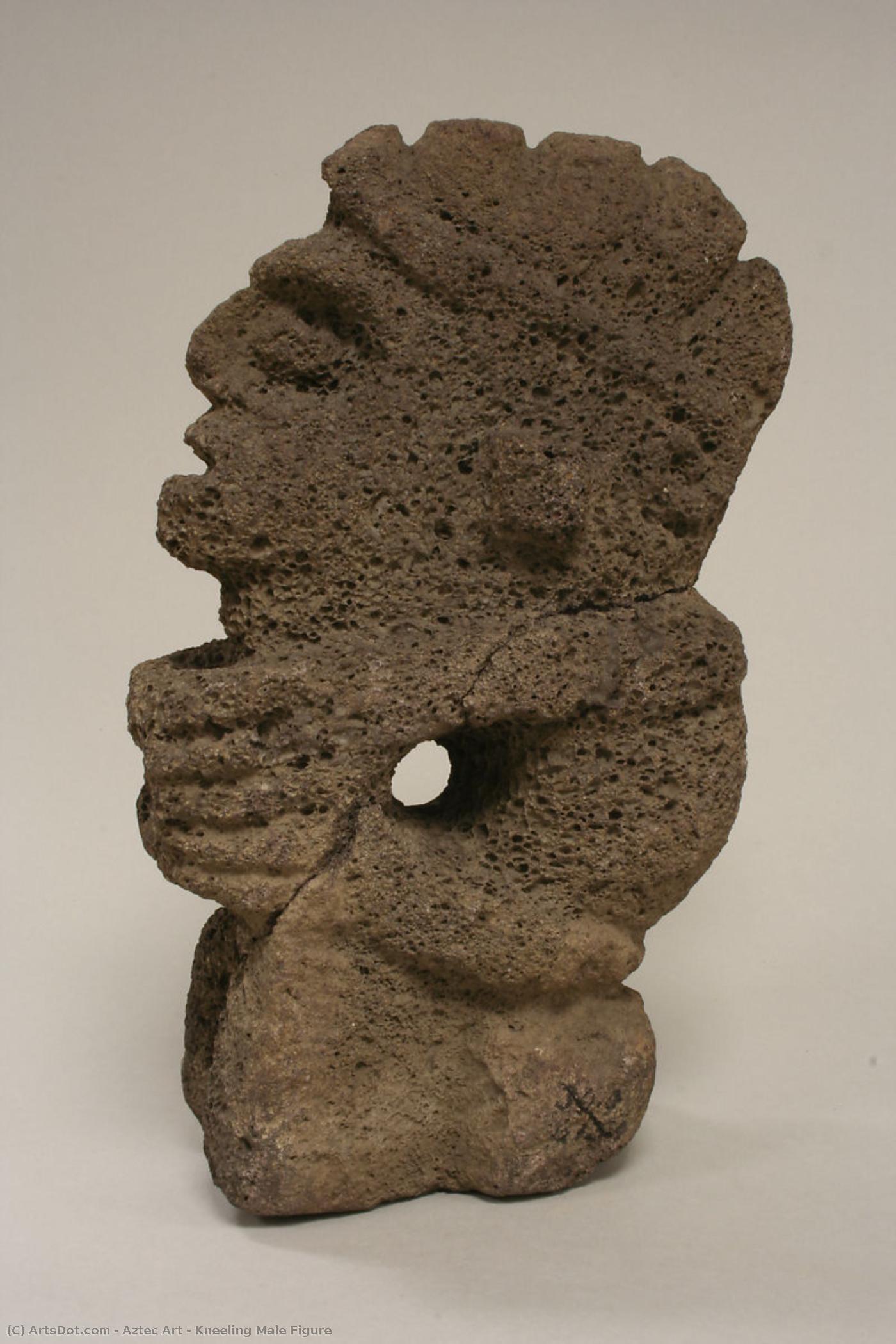
Experience the power & artistry of the Aztec Empire! Admire this kneeling male figure – a captivating glimpse into ancient Mexico's rich culture & history. Hand-painted reproduction.
Explore the stunning art of the Aztec Empire! Discover intricate sculptures, vibrant codices & symbolic mosaics reflecting their rich culture & religious beliefs. #AztecArt #Mexico
Explore The Metropolitan Museum of Art: 5,000 years of art from around the world! Discover masterpieces, ancient artifacts & immersive exhibitions – a global art destination awaits.
A Silent Reverence: Decoding the Majesty of Aztec Sculpture – The Kneeling Male Figure
The photograph captures “Kneeling Male Figure,” a remarkable sculpture originating from the Aztec Empire (circa 1300–1521), currently housed within The Metropolitan Museum of Art’s Mexica collection. More than just an aesthetically pleasing object, this piece embodies centuries of Mesoamerican artistic tradition and speaks volumes about Aztec beliefs concerning divinity and ritual observance. Its enduring presence continues to fascinate scholars and inspire artists alike.
### Artistic Context & Technique – Shaping Stone with Spirit
Born in the bustling heart of Tenochtitlan—the imperial capital—Aztec art flourished under a complex societal structure deeply intertwined with religious cosmology. Influenced by earlier Olmec and Maya traditions, Aztec sculptors honed their craft using subtractive sculpting techniques—a painstaking process involving meticulously removing material from basalt or similar volcanic rock to reveal the desired form. The resulting sculptures weren’t merely representations of figures; they were conduits for spiritual energy, imbued with symbolic meaning that resonated throughout Aztec society. Notice the deliberate angular lines defining facial features and body contours – a stylistic hallmark reflecting an emphasis on geometric precision characteristic of Aztec artistic expression.
### Composition & Visual Elements – Isolation and Detail
The sculpture's placement within the photograph—centered against a neutral backdrop—serves to amplify its impact, drawing the viewer’s eye directly to the figure itself. The artist skillfully utilizes tonal variation to create depth and texture; darker areas within the porous stone surface convey a sense of solidity and age, while subtle beige highlights illuminate smoother surfaces, revealing intricate details. A circular perforation through the head—a recurring motif in Aztec iconography—suggests a connection to celestial realms and underscores the sculpture’s ritual significance. The photograph's diffused lighting ensures that every nuance of the stone’s surface is visible, allowing for an appreciation of both its materiality and artistic execution.
### Symbolism & Emotional Resonance – Kneeling as Gesture of Devotion
The kneeling posture of the male figure transcends mere physical positioning; it embodies a profound gesture of reverence—a deliberate act of humility before the divine. Scholars interpret this pose as representing supplication, prayer, or acknowledgement of supreme authority. The circular hole in the head is believed to symbolize the cosmos and perhaps represent the soul’s journey toward enlightenment – elements central to Aztec religious beliefs. Viewing “Kneeling Male Figure” evokes contemplation on themes of spirituality, tradition, and the enduring legacy of a civilization that sought to harmonize with the natural world.
### Reproduction & Decorative Potential – Bringing Ancient Art Home
A hand-painted reproduction of this iconic sculpture offers an exceptional opportunity to introduce the grandeur of Aztec artistry into any interior space. Its rich tonal palette—dominated by earthy browns and grays—harmoniously complements diverse design aesthetics, from minimalist chic to bohemian warmth. Consider framing it in a dark wood frame to accentuate its sculptural form and honor its historical provenance. “Kneeling Male Figure” stands as a testament to the artistic brilliance of the Aztec Empire – a timeless masterpiece deserving of admiration and preservation.