A Glimpse into Ancient Mesoamerica: The Chicomecoatl Sculpture
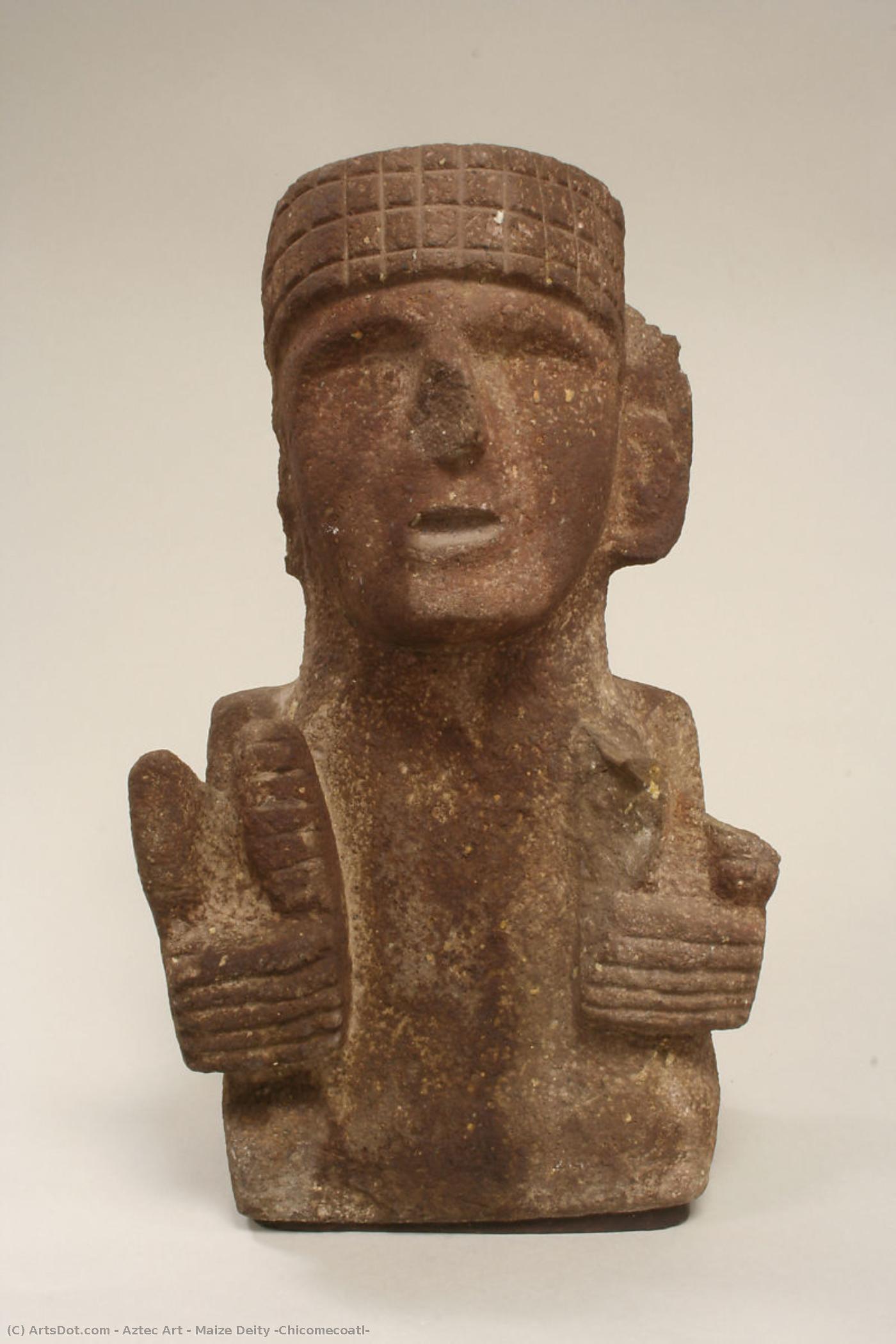
Standing before this weathered stone sculpture, one is immediately transported to the heart of ancient Mexico – a realm where the divine intertwined seamlessly with the rhythms of agriculture and the very essence of life. Carved by the skilled hands of Aztec artisans during the height of their empire (roughly 1300-1521 CE), this representation of Chicomecoatl, the Maize Goddess, is more than just an artifact; it’s a profound window into a complex cosmology and deeply ingrained spiritual beliefs.
The sculpture itself is remarkably powerful. Rendered in volcanic rock – likely tezontle, a prized material for monumental works due to its durability and rich color – the figure depicts a human head and upper torso, presented with an arresting sense of realism tempered by the stylized conventions characteristic of pre-Columbian art. The surface is deliberately rough, bearing the marks of the carving process itself, a testament to the subtractive technique employed: stone was meticulously removed to reveal the desired form, creating a tactile experience that connects us directly to the artist’s hand.
The Divine Feminine and the Gift of Maize
Chicomecoatl's name – “Seven Serpent” – holds layers of significance. It reflects her dual nature as both a powerful deity and a symbol of abundance. In Aztec mythology, she wasn’t simply a goddess of agriculture; she represented sustenance itself, the very lifeblood of the empire. The number seven, deeply embedded in Mesoamerican symbolism, signified luck, fertility, and generative power – qualities inextricably linked to her role as the provider of food and prosperity.
Her iconography reinforces this connection. Often depicted holding two ears of corn in each hand, she embodies the cyclical nature of harvest and rebirth. The maize itself was considered sacred, a gift from the gods, and Chicomecoatl’s guardianship ensured its continued provision for the people. Furthermore, her association with water – frequently represented through flowing garments or aquatic imagery – highlights the vital role of rain in sustaining agriculture and life in general.
A Symbol of Power and Ritual
Beyond her agricultural significance, Chicomecoatl held a prominent position within Aztec religious practices. She was often depicted alongside Centéotl, the god of maize, forming a powerful pair representing the interconnectedness of the divine and earthly realms. Her image graced temples and altars, serving as a focal point for rituals designed to ensure bountiful harvests and maintain cosmic balance. The vibrant red pigments used in her depiction – particularly on her face and headdress – were symbolic of blood and sacrifice, underscoring the importance of maintaining harmony between the human and divine worlds.
A Legacy in Stone: Reproduction and Reverence
Today, this sculpture offers a tangible link to a vanished civilization. Reproductions, like this one, allow us to appreciate the artistry and spiritual depth of the Aztec Empire while respecting its cultural heritage. When contemplating such an image, consider not just its aesthetic beauty but also the profound beliefs and practices that shaped the lives of those who created it. It’s a reminder of our shared human connection to the earth, the cycles of nature, and the enduring power of symbolism.