Seated Female Deity – A Window Into Aztec Spirituality
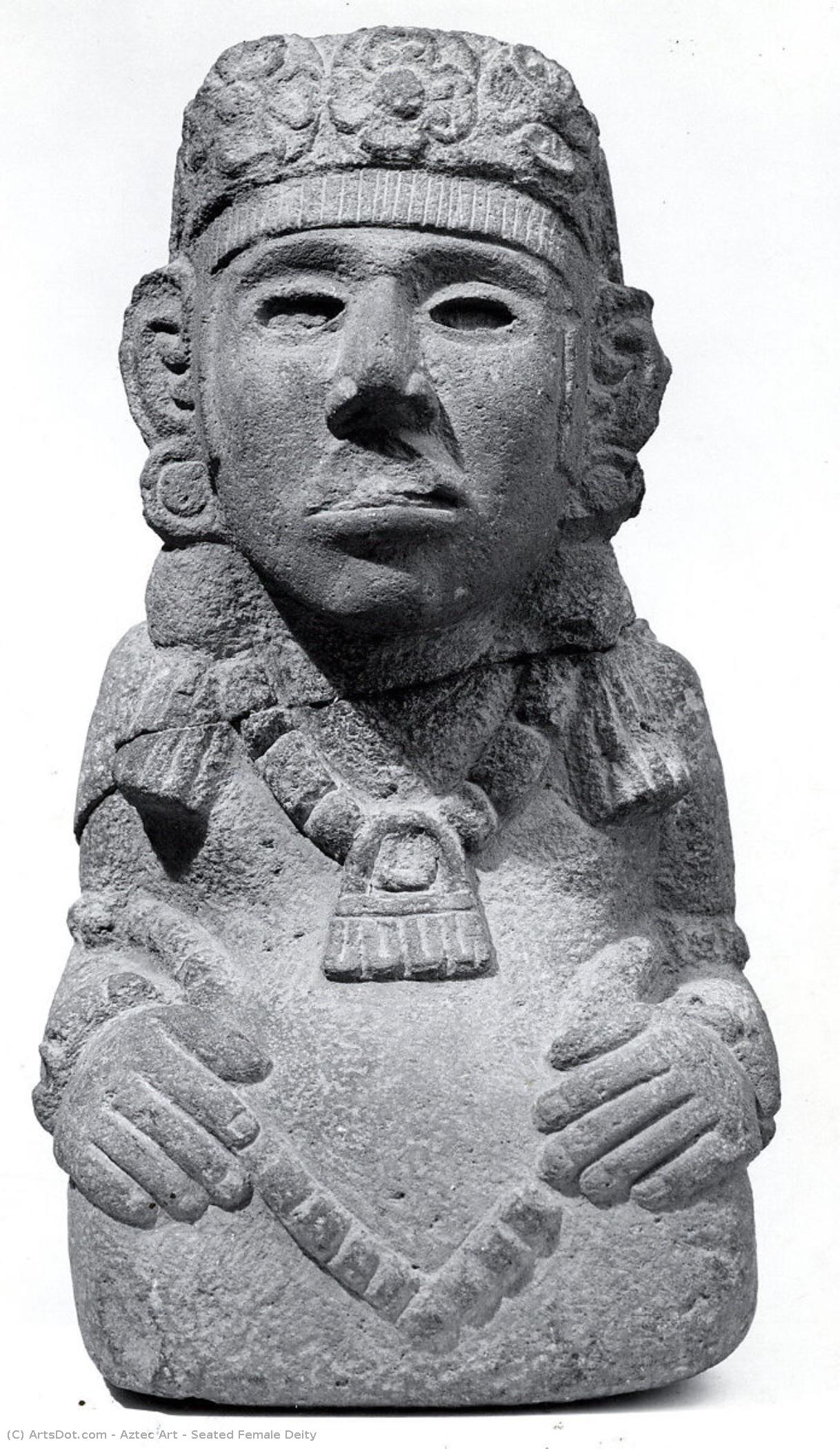
The image presents a monochrome photograph of an Aztec sculpture depicting a seated female deity. The sculpture is rendered in a dark grey stone and appears to be quite weathered, suggesting age and historical significance. The composition focuses on the frontal view of the figure, emphasizing its facial features and elaborate headdress. This artwork, titled “Seated Female Deity,” embodies the artistic spirit of Aztec Art during the Post-classic period (c.900-1580), showcasing exceptional craftsmanship and profound spiritual symbolism. It resides at the Metropolitan Museum of Art in New York City, NY, US.
- Subject Matter: The sculpture portrays a female deity—likely representing a goddess or important figure within Aztec pantheon—a testament to their reverence for feminine power and divine femininity.
- Style & Medium: Characteristic of Aztec sculpture, the style is defined by stylized forms, geometric patterns, and meticulous symbolic representation. Crafted from basalt stone, it exemplifies the enduring legacy of Mesoamerican artistry.
- Technique & Materials: The artist employed carving techniques using chisels and hammers to sculpt intricate details into the basalt rock, demonstrating mastery over material manipulation.
The sculpture’s form dominates the frame, with minimal background visible. The seated posture conveys stability and authority—a deliberate choice reflecting Aztec beliefs about rulership and cosmic order. Strong vertical lines delineate the figure's body and headdress, contributing to its imposing presence. Geometric shapes adorn the headdress and jewelry, mirroring the Aztec fascination with mathematical precision and cosmological harmony. Rounded forms soften the overall angularity of the sculpture’s contours, creating a sense of balance and serenity. The texture appears rough and granular due to the stone material—evidence of centuries of exposure to weather and time, adding to its aura of antiquity.
- Lighting: Diffused lighting minimizes harsh contrasts, allowing for detailed observation of the sculpture’s surface and highlighting subtle tonal variations within the stone.
- Perspective & Depth: The photograph utilizes a straightforward perspective with minimal depth cues—focusing on capturing the essence of the figure's form rather than creating an illusionistic space.
Beyond its formal qualities, “Seated Female Deity” resonates deeply with symbolic meaning. The headdress’s vibrant plumage – meticulously arranged feathers representing celestial realms and divine grace – speaks to Aztec cosmology and their belief in interconnectedness between the earthly and spiritual planes. The deity's gaze directs upward—a gesture of contemplation and reverence for the gods—underscoring the importance of piety and ritual observance within Aztec society. The sculpture’s weathered appearance evokes the passage of time, reminding viewers of the enduring power of artistic expression to transcend historical boundaries and convey timeless truths about human spirituality. It embodies a solemn beauty that continues to inspire awe and contemplation today.
- Historical Context: Created during the Aztec Empire (1428-1521), this artwork reflects the zenith of Mesoamerican civilization—a period marked by remarkable artistic innovation, political ambition, and religious fervor.
- Emotional Impact: The sculpture conveys a sense of solemnity, reverence, and ancient wisdom—inviting contemplation on themes of divinity, power, and transcendence.
The artwork’s enduring appeal lies in its ability to communicate complex ideas through simple visual elements—a testament to the universality of artistic expression across cultures and epochs. It serves as a poignant reminder that art can illuminate the deepest recesses of human experience and connect us to the spiritual heritage of civilizations past.