A Glimpse of Ancient Majesty: The Seated Male Deity
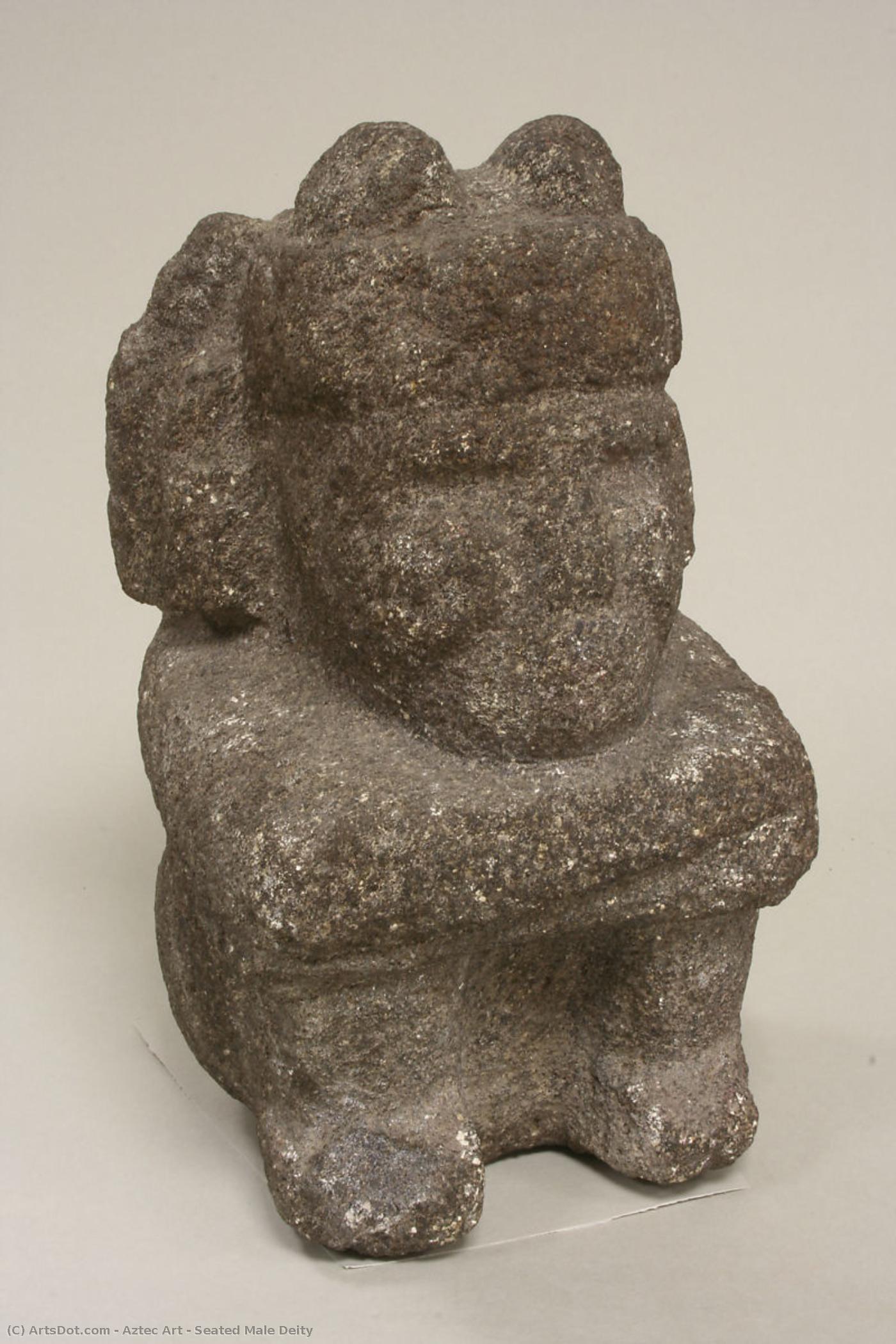
The Aztec Empire, a civilization that flourished in Mesoamerica for centuries, left behind a legacy of breathtaking artistry and profound spiritual belief. Among its most compelling creations stands the “Seated Male Deity,” often referred to as Ehecatl – a figure embodying both divine authority and the raw power of nature. This remarkable sculpture, carved from volcanic basalt, offers a captivating window into the cosmology and artistic sensibilities of this extraordinary culture. Its weathered surface whispers tales of rituals performed under open skies, of priests interpreting the will of the gods, and of a society deeply intertwined with the rhythms of the natural world.
Dating back to the Post-Classic period (roughly 900-1521 CE), this piece exemplifies the distinctive style of Aztec art. Unlike the highly realistic depictions found in earlier Olmec sculpture, the Seated Male Deity embraces a stylized and symbolic approach. Geometric forms dominate, creating a sense of deliberate abstraction rather than striving for photographic accuracy. The figure’s posture – seated with hands resting on his knees – is imbued with an air of serene contemplation, while the elaborate headdress, composed of stepped layers, speaks to hierarchical power and connection to the celestial realm. Notice the careful attention to detail in the carving; each line and angle contributes to a larger narrative, inviting viewers to decipher its hidden meanings.
Decoding Symbolism: The Deity’s Attributes
The symbolism embedded within the Seated Male Deity is rich and multifaceted, reflecting the complex religious beliefs of the Aztecs. The figure's overall form immediately evokes associations with wind – a connection reinforced by his name, Ehecatl, which translates to “Breath of Wind” or “Wind God.” The headdress, particularly its stepped design, likely represents the layers of the heavens and the connections between the earthly realm and the divine. The hands resting on his knees suggest a posture of authority and wisdom, embodying the role of a mediator between humanity and the gods.
Beyond wind, the deity’s attributes also hint at other significant concepts within Aztec cosmology. Some scholars interpret the headdress as representing the sun, while others see echoes of maize – a staple crop and symbol of life and fertility. The overall impression is one of a figure embodying both earthly sustenance and celestial power, reflecting the Aztecs' understanding of their place in the universe.
Craftsmanship and Materials: A Testament to Skill
The creation of this sculpture demanded exceptional skill and patience from Aztec artisans. Carved meticulously from dark grey or brown basalt – a volcanic rock readily available in Mesoamerica – each element was painstakingly shaped using stone tools, chisels, and abrasives. The surface texture is deliberately left rough and uneven, reflecting the natural state of the stone and the hand-crafted nature of the work. This deliberate choice adds to the sculpture’s ancient and weathered appearance, evoking a sense of timelessness and connection to the past.
The technique employed involved removing material from the stone through repeated hammering and polishing, revealing the desired form with remarkable precision. The absence of extensive smoothing or finishing suggests that the artisans prioritized conveying symbolic meaning over achieving a perfectly polished surface – a testament to their artistic vision and understanding of how form communicates essence.
A Legacy in Stone: Connecting with Ancient Wisdom
The “Seated Male Deity” transcends its physical form, offering a powerful connection to the spiritual and cultural heritage of the Aztec Empire. Its enduring presence speaks to the Aztecs’ profound reverence for nature, their complex religious beliefs, and their remarkable artistic abilities. Today, reproductions of this iconic sculpture continue to captivate audiences worldwide, serving as reminders of a civilization that sought to understand its place within the vastness of the cosmos.
Whether displayed in a museum or incorporated into an interior design scheme, this artwork invites contemplation and reflection. It’s more than just a beautiful object; it's a tangible link to a vibrant past, a testament to human creativity, and a symbol of enduring wisdom.