Le Christ au jardin des oliviers: A Meditation on Faith and Suffering
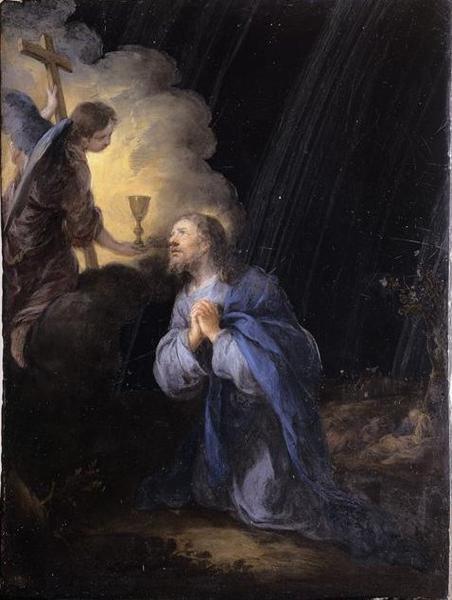
Bartolomé Esteban Murillo’s “Le Christ au jardin des oliviers,” painted circa 1665-1670, stands as a cornerstone of Baroque art—a testament to Seville’s artistic fervor during its golden age. More than just a depiction of biblical scripture, the painting delves into profound themes of piety, vulnerability, and divine grace, capturing the essence of Christian contemplation.
- Composition & Narrative: The artwork centers on Christ kneeling in prayer amidst an angel bearing a chalice—a poignant tableau reflecting Jesus’s agonizing anticipation of his crucifixion. Murillo skillfully directs the viewer's gaze towards Christ’s face, emphasizing his solemn expression and conveying the gravity of the moment. The angel’s gesture symbolizes divine compassion offering solace during times of profound sorrow.
- Technical Brilliance: Murillo employed masterful oil painting techniques—primarily tenebrism—to illuminate this scene with dramatic chiaroscuro. This technique utilizes stark contrasts between light and dark, creating an atmosphere of solemnity and intensifying the emotional impact. Loose brushstrokes contribute to a textured surface, particularly in the depiction of the garden foliage, while finer details are rendered with precision.
- Color Palette & Symbolism: The subdued color palette—dominated by blues, browns, and golds—mirrors the spiritual seriousness of the subject matter. The angel’s radiant yellow-gold highlights underscore his role as messenger of divine grace, reinforcing the painting's symbolic core. Dark browns and blacks form a grounding backdrop, emphasizing Christ’s vulnerability against the immensity of God’s presence.
- Historical Context & Influence: Murillo’s work embodies the Baroque aesthetic—a stylistic movement characterized by grandeur, emotional intensity, and theatrical presentation. Heavily influenced by Caravaggio's groundbreaking tenebrism, Murillo elevated realism to new heights while simultaneously conveying spiritual depth. The painting reflects the religious piety prevalent in Spain during Murillo’s lifetime, aligning with the Counter-Reformation’s emphasis on devotional art.
- Emotional Resonance: “Le Christ au jardin des oliviers” transcends mere visual representation; it evokes a palpable sense of sorrow and contemplation—a reflection of Jesus's inner turmoil as he prepares for his sacrifice. The painting invites viewers to contemplate themes of faith, suffering, and divine mercy, cementing Murillo’s legacy as one of the most emotionally resonant artists of his era.