Bernardo Daddi (1290-1348) was a leading Florentine painter of the early Renaissance, bridging Gothic & new realism. Known for portable altarpieces, lyrical elegance, and influence from Giotto & Lorenzetti. Explore his works at ArtsDot!
Discover the Museo Poldi Pezzoli in Milan! Explore a stunning 19th-century private collection of Italian & Northern European art, weaponry, ceramics, and lavish furnishings. A unique house-museum experience awaits!
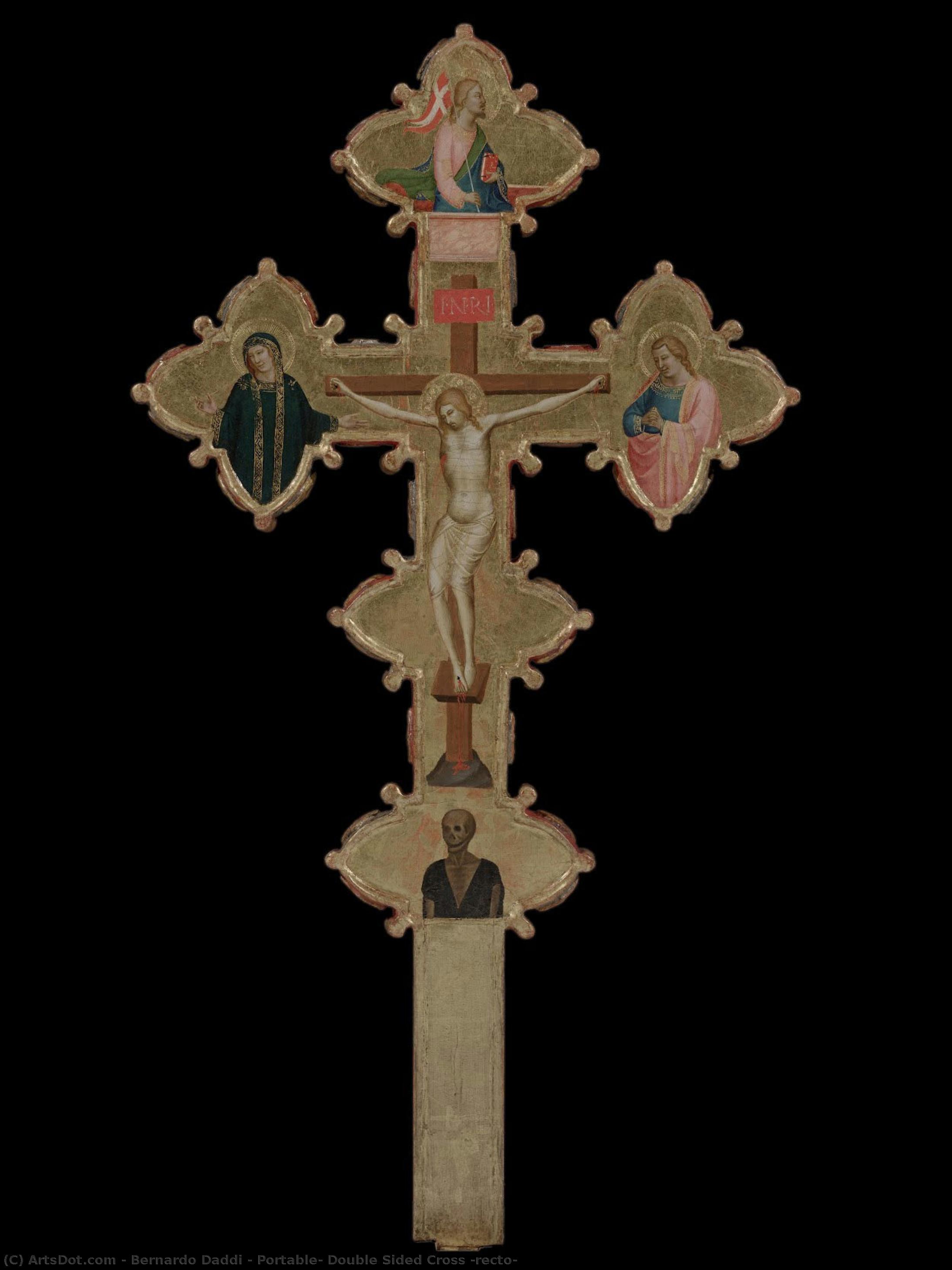
A Testament to Piety: The Portable Double-Sided Cross of Bernardo Daddi
To gaze upon this portable, double-sided cross is to encounter not merely an object of devotion, but a profound narrative tapestry woven from faith, suffering, and enduring hope. Dating to 1340, this masterpiece by Bernardo Daddi captures the very breath of late fourteenth-century Florentine spirituality. It speaks volumes about the deeply ingrained religious life of its time, serving as both a devotional aid for private contemplation and a dramatic focal point during public processions. The sheer artistry required to render such complex iconography on a single, portable structure elevates it from mere artifact to sacred centerpiece.
Mastery in Transition: Style and Technique
Bernardo Daddi stands at the fascinating crossroads between the lingering grace of the Gothic style and the dawning naturalism that would define the Renaissance. His technique here is characterized by a remarkable sensitivity; while retaining the rich emotional storytelling typical of his predecessors, one can detect an emerging commitment to human form and believable space. The paintwork itself suggests a meticulous hand, allowing the sacred figures to emerge with palpable dimensionality. Whether viewed from the side depicting martyred saints or the reverse showing the Virgin alongside the condemned man, Daddi employs color and gesture to guide the viewer's eye through layers of theological meaning.
Symbolism of Suffering and Salvation
The cross itself is a repository of contrasting narratives. On one face, we are confronted with the solemn dignity of martyrdom—Saint Paul, Saint James the Greater, and Saint John the Baptist kneeling in prayer after their earthly suffering. These images were designed to comfort those facing death, transforming personal terror into communal piety. The reverse side deepens this contemplation, presenting the traditional grouping of Mary, St. John the Evangelist, and the Redeemer, juxtaposed with the stark, unsettling presence of the fleshless corpse—a potent symbol for every soul awaiting judgment. This duality ensures that the piece speaks to both the glory of salvation and the reality of human frailty.
An Echo for the Modern Sanctuary
For the contemporary collector or designer seeking an object imbued with historical weight and profound artistic resonance, this reproduction offers an unparalleled connection to the Quattrocento spirit. Imagine this cross adorning a chapel niche or serving as a breathtaking focal point in a richly decorated drawing-room. It does not merely decorate; it elevates the atmosphere, inviting moments of quiet reflection. Owning a piece echoing Daddi’s vision is to possess a tangible link to Florence's artistic awakening—a place where deep spiritual belief met burgeoning humanistic observation.