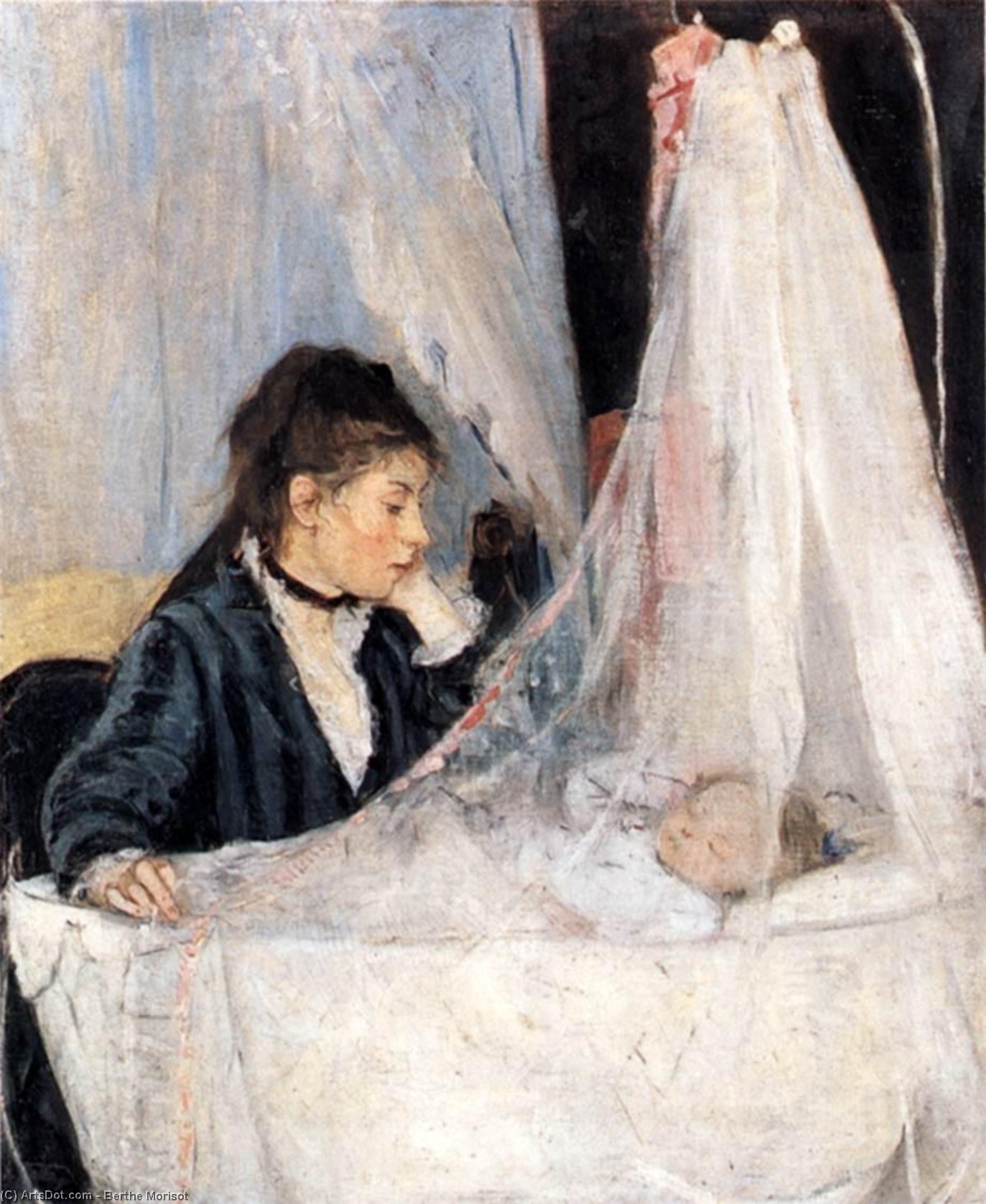
Discover Berthe Morisot’s "The Cradle," a tender Impressionist masterpiece capturing motherhood’s intimacy. Explore its serene beauty & historical significance – a timeless work of art.
Berthe Morisot: A pioneering Impressionist painter known for intimate domestic scenes and evocative light. Explore her unique style & legacy alongside Édouard Manet.
Discover the Musée d'Orsay in Paris! Housed in a stunning former railway station, explore an unparalleled collection of Impressionist & Post-Impressionist masterpieces by Monet, Van Gogh & more.
A Tender Moment Captured
Berthe Morisot's "The Cradle" is a poignant portrayal of motherhood, capturing an intimate moment between a woman and her sleeping infant. Painted in 1872, this Impressionist masterpiece exudes warmth and tenderness, inviting viewers into a private sphere of domestic life. The scene is set against a soft sunset backdrop, blending hues of pink, orange, purple, and gold that add a dreamy, ethereal quality to the composition.
Impressionist Style and Technique
Morisot's loose, expressive brushstrokes are characteristic of the Impressionist movement, which she helped pioneer alongside artists like Monet and Degas. The painting's fluid technique and emphasis on light and color create a sense of immediacy and spontaneity. Morisot's use of muted tones and delicate pastels enhances the serene atmosphere, while the soft focus on the figures adds to the overall intimacy of the scene.
Historical Context
"The Cradle" was first exhibited in the First Impressionist Exhibition in 1874, where it received praise for its grace and beauty. Despite its critical acclaim, the painting did not sell and remained in Morisot's family collection until it was acquired by the Louvre Museum in 1930. Today, it is housed in the Musée d'Orsay in Paris, where it continues to captivate audiences with its emotional depth and artistic skill.
Symbolism and Emotional Impact
The painting symbolizes the themes of nurturing, protection, and the bond between mother and child. The woman's attentive gaze and the peaceful demeanor of the infant convey a sense of quiet connection and tenderness. The crib, adorned with delicate fabric, represents the innocence and vulnerability of childhood, while the woman's presence signifies guardianship and love. This emotional resonance makes "The Cradle" a deeply moving and resonant artwork.
Why Collect or Reproduce?
For art lovers and collectors, "The Cradle" offers a timeless exploration of motherhood and domestic life, rendered with Morisot's signature Impressionist style. Interior designers will appreciate its soft color palette and intimate composition, which can add warmth and elegance to any space. A high-quality reproduction of this masterpiece allows you to bring the beauty and emotional depth of Morisot's work into your home or collection.
Bring This Masterpiece Home
Own a piece of Impressionist history with a hand-painted reproduction of "The Cradle." Experience the tender emotion and artistic brilliance of Berthe Morisot in your own space, and let this timeless artwork inspire and uplift your surroundings.