Explore Camille Pissarro's art: Impressionist & Neo-Impressionist landscapes and scenes of daily life. A pivotal figure influencing Van Gogh, Cézanne & more.
Tate Gallery
(London, United Kingdom)
Discover British & international art at Tate Britain! Explore centuries of masterpieces, from Turner to modern icons – free entry awaits in London’s riverside gallery.
A Window Into Impressionism: Portrait of Felix Pissarro
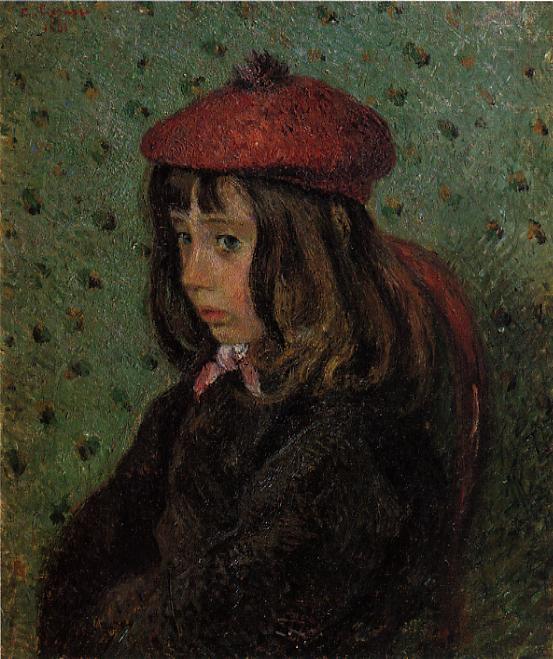
The Portrait of Felix Pissarro by Camille Pissarro stands as more than just a depiction of a young girl; it’s an embodiment of the Impressionist ethos—a celebration of fleeting moments and luminous light. Painted in 1881, during the zenith of this revolutionary artistic movement, the canvas captures not merely appearance but feeling, inviting viewers to contemplate the quiet contemplation inherent in childhood innocence.
Composition and Technique: Embracing Light’s Dance
Pissarro's masterful technique is immediately apparent upon examining the painting closely. He employs a loose brushstroke style characteristic of Impressionism, prioritizing visible pigment rather than blending colors seamlessly. Layers of muted hues—primarily ochres, browns, and greens—create an atmospheric backdrop that subtly enhances the vibrancy of the girl’s scarlet hat. The artist skillfully utilizes directional light, illuminating her face and highlighting the delicate texture of her hair. Notice how the light catches on the folds of her coat, adding depth and dimensionality to the composition. This deliberate disregard for traditional academic conventions – particularly meticulous detail – reflects a profound belief in capturing the essence of reality as perceived by the senses.
Historical Context: The Birth of Modern Art
The Impressionist movement arose in Paris during the Belle Époque—a period marked by optimism, technological advancement, and social change. Artists like Monet, Renoir, Degas, and Cézanne rejected the rigid formalism of Salon art, seeking inspiration from plein air painting – working outdoors directly before their subjects. They were profoundly influenced by scientific discoveries concerning color perception and optics, championed by Eugène Chevreuil and Michel Chevalier. The Portrait of Felix Pissarro aligns perfectly with this intellectual climate, representing a decisive break from artistic traditions rooted in the past and signaling the dawn of modern art’s preoccupation with subjective experience.
Symbolism Beyond Appearance: Bees and Reflection
Beyond its immediate visual appeal, the painting harbors subtle symbolic layers that enrich its interpretation. The inclusion of two bees hovering near the girl's hat is particularly noteworthy. Bees are often associated with diligence, industriousness, and transformation—themes prevalent in Impressionist art. They can also symbolize fertility and renewal, subtly hinting at the potential for growth and development within childhood. Furthermore, the clock visible on the wall serves as a poignant reminder of time’s relentless passage, juxtaposed against the girl's serene gaze – prompting viewers to consider the ephemeral nature of beauty and experience. The reflection in the mirror adds another layer of complexity, suggesting introspection and self-awareness—qualities valued by Impressionist artists who sought to portray inner life alongside external observation.
Emotional Resonance: A Moment Frozen in Time
Ultimately, Portrait of Felix Pissarro succeeds in conveying a powerful emotional resonance. Its tranquil atmosphere invites contemplation and evokes feelings of warmth, tenderness, and nostalgia. The girl’s gaze—downward yet thoughtful—captures the quiet dignity of childhood innocence—a quality that continues to inspire artists and collectors alike. This painting exemplifies Impressionism's ability to transcend mere representation, transforming a simple portrait into an enduring symbol of beauty, serenity, and the transformative power of observation. Its presence in the Tate Gallery ensures its legacy as one of the most cherished treasures of British art history.