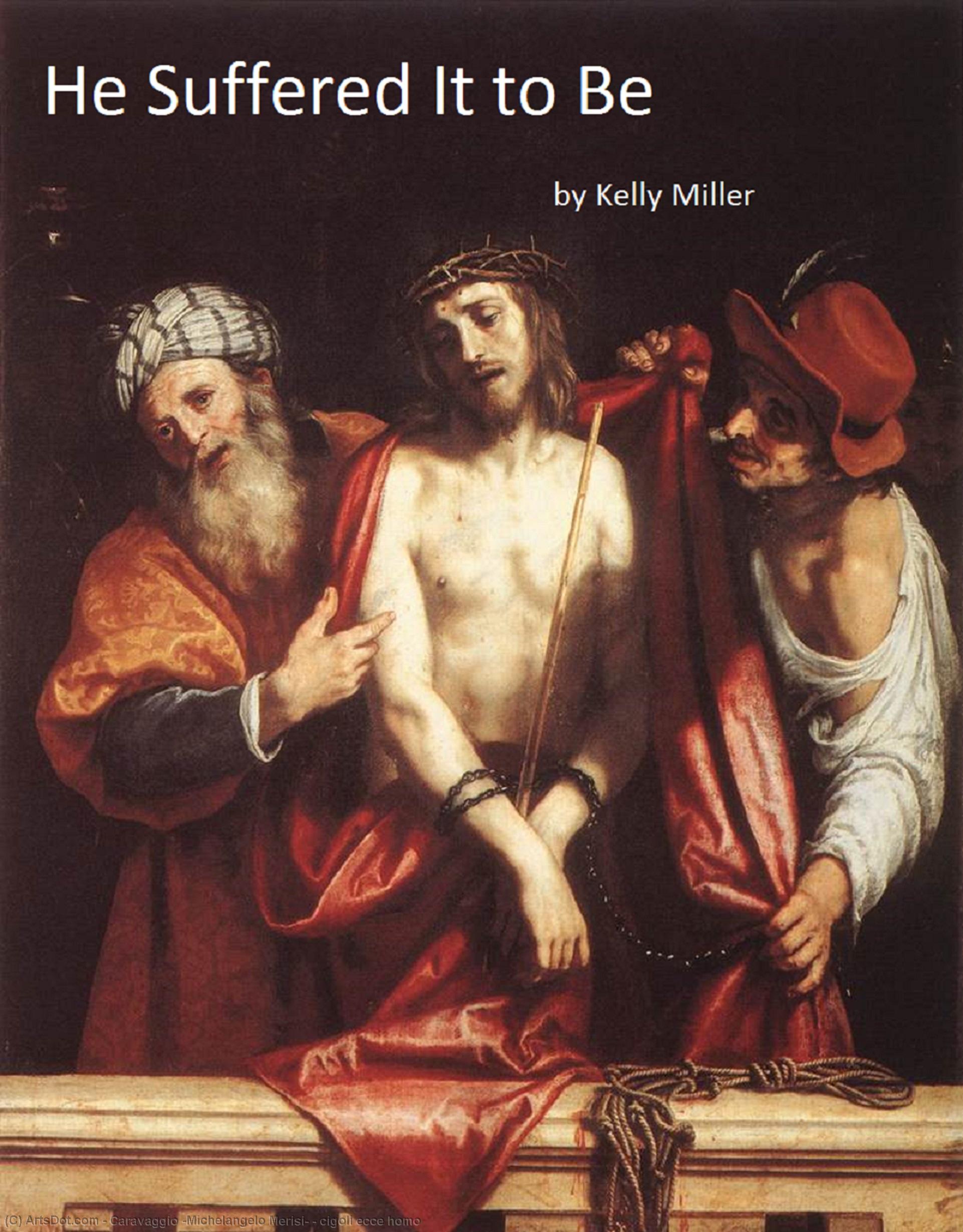
A Moment Frozen in Time: Caravaggio’s Ecce Homo
Ludovico Cigoli's *Ecce Homo*, painted around 1605/06, stands as a testament to Michelangelo Merisi da Caravaggio’s unparalleled ability to capture the visceral drama of biblical narrative. More than just a depiction of Jesus’s crucifixion—a pivotal event in Christian theology—the painting embodies Caravaggio's revolutionary approach to art history and continues to fascinate audiences today.
- Subject Matter: The scene portrays Pontius Pilate presenting Jesus Christ to the crowd before his execution, a moment fraught with tension and moral ambiguity. This depiction draws directly from John XIX, capturing the solemnity of the occasion.
- Style & Technique: Caravaggio’s signature style—characterized by dramatic chiaroscuro (the interplay of light and dark)—dominates the composition. The artist employs tenebrism, plunging much of the canvas into darkness while highlighting key figures with intense illumination, creating a palpable sense of immediacy and psychological realism.
- Historical Context: Painted during Caravaggio’s Roman period, *Ecce Homo* reflects the artistic fervor of the Baroque era—a movement that prioritized emotional intensity and theatrical presentation. It aligns perfectly with the broader cultural preoccupation with religious iconography and moral contemplation.
Symbolism & Emotional Resonance
Beyond its technical brilliance, *Ecce Homo* is laden with symbolic significance. Caravaggio deliberately contrasts Pilate’s calm demeanor with Jesus’s suffering—a visual representation of the conflict between justice and compassion. The artist's meticulous attention to detail—from the folds of Pilate’s robe to the expressions on Christ’s face—aims to evoke profound empathy in the viewer.
- Pilate’s Expression: Caravaggio portrays Pilate as a figure wrestling with conscience, conveying both pity and reluctance. This nuanced portrayal challenges conventional depictions of authority figures and underscores the moral dilemma faced by those tasked with administering justice.
- Christ's Suffering: The artist captures Jesus’s agony with remarkable sensitivity—his gaze fixed on the viewer, his posture conveying resignation yet defiance. Caravaggio’s masterful use of light emphasizes Christ’s vulnerability while simultaneously highlighting his spiritual fortitude.
Provenance & Legacy
The painting's journey through history is as compelling as its artistic merit. Initially commissioned by Cardinal Massimo Massimi, it became part of a celebrated competition among three artists—Caravaggio, Cigoli and Domenico Passignano—a testament to Caravaggio’s influence on his contemporaries. Its subsequent ownership spanned from the Palazzo Bianco in Genoa to Madrid, where it remains today.
- Recent Attribution Debate: The attribution of *Ecce Homo* has been subject to scholarly debate, with a newly identified version—previously housed in Madrid—challenging established interpretations.
- Influence on Baroque Art: Caravaggio’s innovative technique and dramatic vision profoundly impacted the Baroque aesthetic, establishing him as one of the most influential painters of his time. *Ecce Homo* exemplifies this legacy, serving as an enduring symbol of artistic genius and spiritual contemplation.