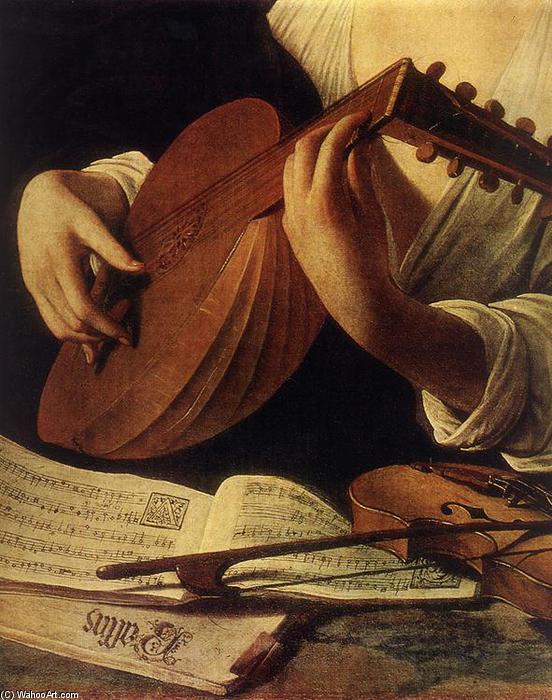
The Lute Player: A Symphony of Shadow and Light by Caravaggio
Michelangelo Merisi da Caravaggio – a name synonymous with the dramatic intensity of Baroque painting – remains one of the most enigmatic figures in art history. Born in Milan in 1571 amidst profound loss, his early life instilled within him an unwavering gaze upon human suffering and resilience—themes that would indelibly shape his artistic vision. His formative training under Simone Peterzano fostered a grounding in Renaissance principles while simultaneously nurturing a rebellious spirit destined to shatter conventional aesthetic boundaries.
Rome, arriving around 1592, became Caravaggio’s crucible of creativity. The city's vibrant cultural landscape—a nexus of artistic patronage and intellectual ferment—provided the ideal backdrop for his groundbreaking experimentation. Initially hampered by financial difficulties and social ostracism, he nevertheless swiftly established himself as a celebrated artist, captivating audiences with his unparalleled ability to portray human emotion with breathtaking realism.
The Lute Player exemplifies Caravaggio’s signature style – tenebrismo – a technique characterized by stark contrasts between light and darkness. This masterful manipulation of illumination doesn't merely depict the scene; it embodies its very essence, drawing viewers into an atmosphere of palpable drama and psychological depth. Observe how Caravaggio utilizes a single window as his primary source of light, casting dramatic shafts that illuminate the lute player’s face and hands with incandescent brilliance—a deliberate choice designed to heighten emotional impact.
- Composition: The painting's pyramidal structure lends stability while simultaneously directing the viewer’s gaze towards the central figure.
- Symbolism: Beyond the lute itself, the violin and books represent knowledge and musical contemplation—elements interwoven to convey a profound meditation on human experience.
- Technique: Caravaggio employed rapid brushstrokes and meticulous attention to detail, achieving an astonishing level of realism that defied the conventions of his time.
Historical Context: Painted in 1596 during Caravaggio’s formative period, The Lute Player reflects the broader artistic currents of the Baroque era—a movement driven by a desire for grandeur and emotional expression. It stands as testament to Caravaggio's pioneering approach to art, securing his place as one of the most influential painters of all time.
The Hermitage Museum’s version, discovered in 2001 after centuries of obscurity, offers an unparalleled glimpse into Caravaggio’s artistic genius. Its juxtaposition with Badminton House’s restored exemplar at Galleria Borghese provides invaluable insight into the evolution of his style and underscores its enduring power to resonate across generations.
Ultimately, The Lute Player transcends mere representation; it is a conduit for emotion—a poignant portrayal of solitude and contemplation that invites viewers to contemplate the complexities of human existence. It remains an unforgettable masterpiece, embodying Caravaggio’s unwavering commitment to capturing the sublime beauty of the human spirit within the framework of dramatic illumination.