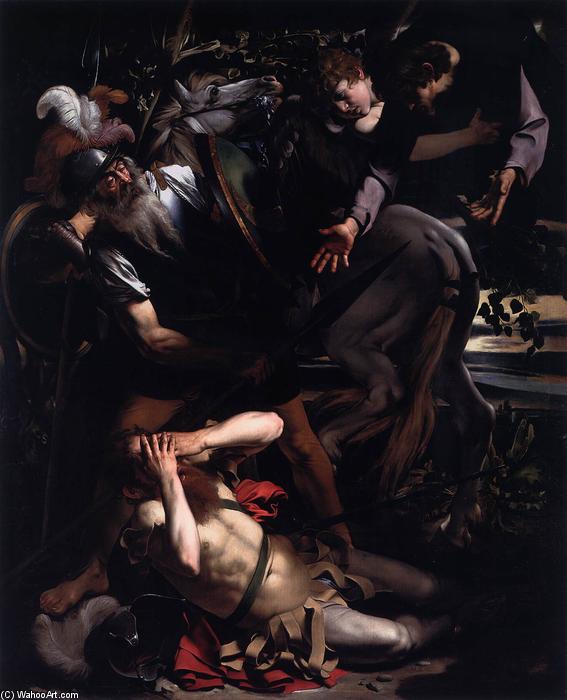
Michelangelo Merisi da Caravaggio’s "The Conversion of St. Paul" is a Baroque masterpiece! Witness the dramatic moment of divine intervention through intense chiaroscuro and psychological depth. A visceral depiction of faith's transformation.
Explore Caravaggio (1571-1610): Baroque master of realism & tenebrism. Dramatic religious scenes, intense chiaroscuro, and a revolutionary style that influenced Rubens & Rembrandt.
Discover the Odescalchi Balbi Collection in Rome – a hidden gem showcasing ancient Roman art, mosaics, and historical artifacts within Palazzo Massimo. Explore stunning sculptures & portraits.
The Conversion of St. Paul: A Baroque Drama Illuminated
Michelangelo Merisi da Caravaggio’s “The Conversion of St. Paul” stands as an unparalleled achievement in Baroque art—a visceral depiction of divine intervention and spiritual transformation that continues to captivate audiences centuries later. Painted in 1600, this monumental canvas (237 x 189 cm), housed within the Odescalchi Balbi Collection in Rome, transcends mere representation; it’s an immersive experience fueled by Caravaggio's revolutionary use of chiaroscuro and imbued with profound psychological depth.
A Moment Frozen in Time
The scene captures the pivotal instant when Saint Paul—formerly Saul of Tarsus, a zealous persecutor of Christians—experienced his dramatic conversion on the road to Damascus. Illuminated by an ethereal divine light emanating from above, Paul collapses to the ground, overwhelmed by spiritual ecstasy. This depiction isn’t simply recounting scripture; it's conveying the overwhelming force of faith and the shattering of preconceived notions. Caravaggio masterfully portrays this transformative moment with unflinching realism—a stark contrast to the idealized depictions prevalent in earlier Renaissance art.
The Power of Light and Shadow: Caravaggio’s Technique
Caravaggio’s signature technique, chiaroscuro, dominates the composition. He employs extreme contrasts between light and dark, sculpting figures from darkness while highlighting Paul's body with radiant illumination. This dramatic effect isn’t merely stylistic; it serves to heighten emotional intensity and draw the viewer into the scene. The artist meticulously renders textures—the rough linen of Paul’s robe, the weathered face of Saint Peter—creating a palpable sense of physicality that underscores the profound spiritual significance of the event. Furthermore, Caravaggio utilizes atmospheric perspective, subtly blurring distant figures to emphasize the immediacy of the conversion experience.
Symbolism and Narrative Depth
Beyond its technical brilliance, “The Conversion” is rich in symbolic elements. The scattered birds represent chaos and disorientation—mirroring Paul’s shattered worldview before his encounter with God. Saint Peter, positioned on the left, offers a gesture of compassion and reassurance, symbolizing divine grace. The overall arrangement contributes to a dynamic narrative, inviting contemplation on themes of repentance, faith, and redemption. Caravaggio deliberately avoids portraying Paul as a saintly figure; instead, he presents him as a man humbled by suffering—a relatable portrayal that resonates powerfully with viewers across time.
Influence Beyond Rome
Caravaggio’s influence extended far beyond the confines of Rome, impacting artists throughout Europe. His innovative approach to lighting and dramatic composition challenged artistic conventions and paved the way for developments in Baroque painting, notably in Venice where Giorgione, Titian, and Tintoretto adopted similar techniques. “The Conversion of St Paul” remains a cornerstone of art history—a testament to Caravaggio’s ability to transform biblical narratives into emotionally resonant visual experiences that continue to inspire artists and collectors alike. Its enduring legacy speaks volumes about the power of art to convey profound spiritual truths.