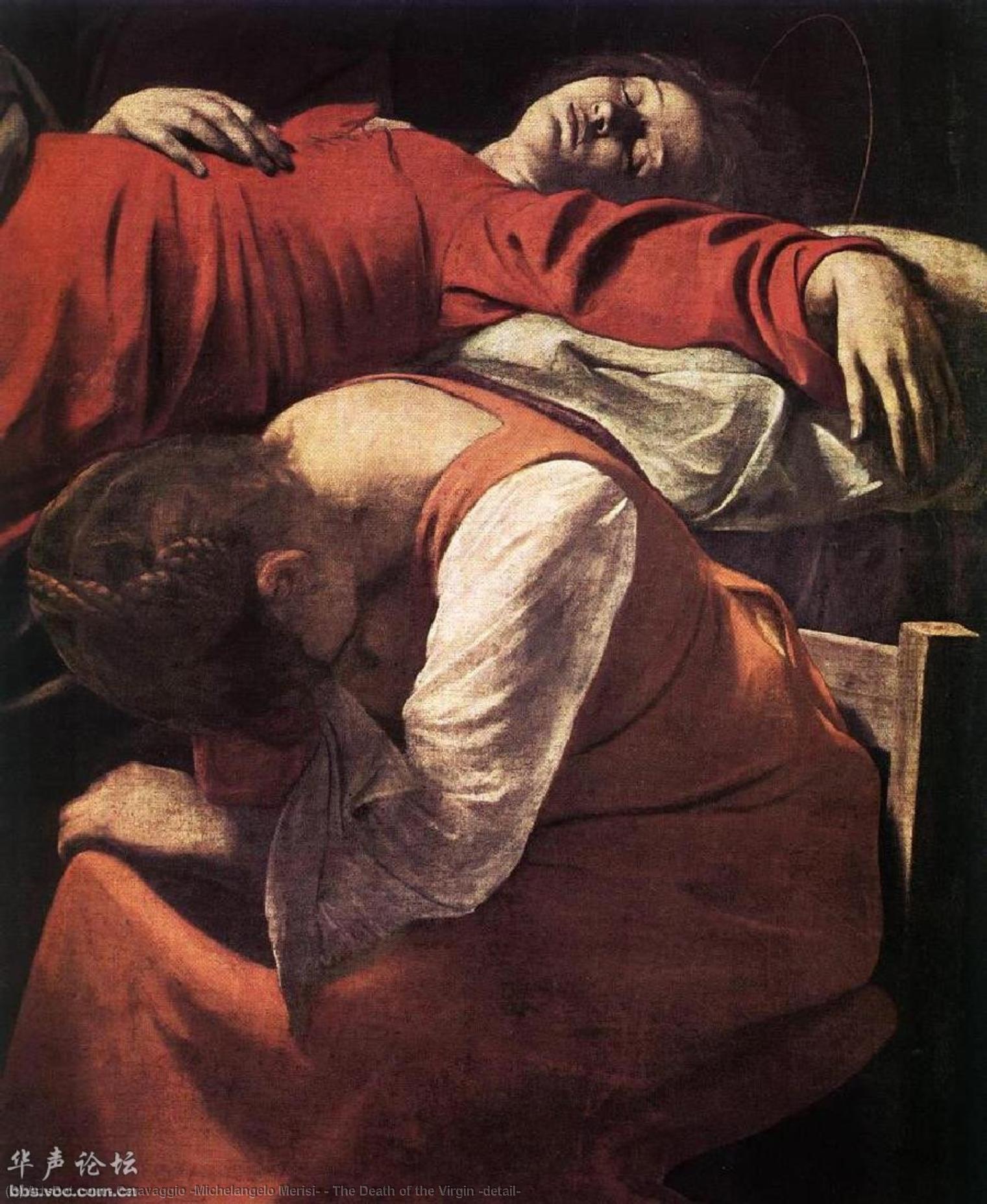
Experience the raw emotion of Caravaggio's 'Death of the Virgin.' This iconic masterpiece, part of the Louvre collection, showcases his dramatic use of light and shadow, capturing grief & faith with haunting realism.
Explore Caravaggio (1571-1610): Baroque master of realism & tenebrism. Dramatic religious scenes, intense chiaroscuro, and a revolutionary style that influenced Rubens & Rembrandt.
Explore the Louvre Museum in Paris! Home to iconic masterpieces like the Mona Lisa & Venus de Milo, journey through art history from ancient Egypt to Renaissance icons. Plan your visit today!
The Haunting Beauty of Caravaggio’s “Death of the Virgin”
Michelangelo Merisi da Caravaggio's "Death of the Virgin," painted in 1605, is not merely a depiction of mortality; it’s an immersive experience of grief, faith, and profound human emotion. This seminal work, currently residing within the hallowed halls of the Musée du Louvre in Paris, transcends its historical context to resonate powerfully with viewers centuries later. Caravaggio, a pioneer of the revolutionary Tenebrism art movement, masterfully employs dramatic chiaroscuro – an intense contrast between light and dark – to sculpt figures from shadow and illuminate key moments within this deeply moving scene. The painting’s power lies not in idealized beauty or triumphant heroism, but in its raw honesty and unflinching portrayal of loss.
The composition itself is a carefully orchestrated drama. We find ourselves drawn into a dimly lit chamber, dominated by the recumbent form of the Virgin Mary. Her body, rendered with startling realism – a testament to Caravaggio’s meticulous observation of human anatomy – lies peacefully on a simple bed, her face serene despite the circumstances. Around her gather figures consumed by sorrow: Mary Magdalene, her face buried in her hands, and several apostles, their postures conveying a palpable sense of grief. The red garments worn by both the Virgin and the mourners create a striking visual unity, emphasizing the solemnity of the occasion and subtly hinting at the sacrifice being honored. Notice, too, the carefully placed details – the folds of cloth, the expressions on faces, the subtle gestures – all contributing to the painting’s overwhelming sense of realism and emotional intensity.
Caravaggio's genius lies in his ability to evoke a profound psychological response through purely visual means. The darkness surrounding the figures isn't merely an aesthetic choice; it actively isolates them within their grief, intensifying the drama and drawing our attention directly to the central scene. This technique, characteristic of Tenebrism, forces us to confront the uncomfortable reality of death and loss alongside these figures. The use of light is equally deliberate, highlighting key elements – the Virgin’s face, her hands – while leaving much of the surrounding space shrouded in shadow. It's a masterful manipulation of light and dark that elevates the painting beyond a simple historical representation into a deeply affecting meditation on mortality and faith.
Painted during the tumultuous Baroque period, "The Death of the Virgin" reflects Caravaggio’s radical departure from traditional religious art. Prior to this work, depictions of the Virgin Mary often presented her as an idealized figure of ethereal beauty and divine grace. Caravaggio, however, strips away these conventions, presenting a vulnerable, earthly woman facing death with quiet dignity. This realism was initially controversial; some critics found it unsettling, arguing that it lacked reverence and piety. Yet, this very departure from established norms is precisely what made Caravaggio’s work so revolutionary and influential. His willingness to confront the uncomfortable realities of human experience paved the way for future generations of artists who sought to capture the complexities of life and death with unflinching honesty. The legacy of Caravaggio can be seen in works such as Théodore Géricault's "The Charging Chasseur," which similarly employs dramatic lighting to convey movement and emotion, demonstrating the enduring impact of Caravaggio’s innovative techniques.
Exploring the Symbolism Within
Beyond its immediate emotional impact, “The Death of the Virgin” is rich in symbolic meaning. The red clothing, a recurring motif in Caravaggio's work, traditionally symbolizes sacrifice and martyrdom – fittingly applied here to represent the Virgin Mary’s ultimate offering. The lilies adorning her body are emblems of purity and innocence, further emphasizing her role as the Mother of God. The positioning of the figures—the apostles clustered around her, their faces etched with sorrow—suggests a communal mourning, highlighting the shared experience of loss within the Christian community. Even the simple bed upon which she lies is significant; it’s a stark contrast to the opulent settings often depicted in religious art, underscoring the humility and vulnerability of the Virgin Mary. The scene itself can be interpreted as an allegory for humanity's struggle with mortality, reminding us of our own inevitable fate and the importance of faith in the face of adversity.
A Masterclass in Technique
Caravaggio’s technical prowess is undeniable. He employed a technique known as *sfumato*, subtly blending colors to create soft transitions and atmospheric effects – particularly evident in the shadows that envelop the scene. His use of *terracciotto*—a reddish-brown pigment derived from Siena terracotta—contributed to the painting's dramatic lighting, creating a sense of depth and volume. Crucially, Caravaggio worked directly onto the canvas without preliminary sketches, allowing for an unprecedented level of spontaneity and immediacy in his brushwork. This technique, combined with his meticulous observation of human anatomy and his masterful manipulation of light and shadow, resulted in a painting that is both intensely realistic and profoundly expressive. The details, from the texture of the fabrics to the subtle nuances of expression on the figures’ faces, are rendered with remarkable precision, creating a truly immersive experience for the viewer.
Recreating Caravaggio's Masterpiece: A ArtsDot Reproduction
At ArtsDot, we are dedicated to preserving and celebrating the artistic legacy of Michelangelo Merisi da Caravaggio. Our hand-painted oil reproductions capture the essence of “The Death of the Virgin” with meticulous attention to detail, faithfully recreating the artist’s dramatic chiaroscuro and emotional intensity. Each reproduction is created by skilled artisans who painstakingly replicate Caravaggio's techniques, ensuring that you receive a work of art that is both authentic and visually stunning. Whether for your home or office, a ArtsDot reproduction offers a unique opportunity to experience the power and beauty of this iconic masterpiece – a timeless testament to Caravaggio’s genius and his profound understanding of the human condition. Explore our collection today and bring the haunting beauty of “The Death of the Virgin” into your space.